كلية اللغات

المزيد ...

حول كلية اللغات

في العام الدراسي 1987/1986م تأسست كلية اللغات تحت اسم مركز اللغات، في سنة 1988م صدر قرار اللجنة الشعبية العامة (سابقا) رقم 245 لسنة 1988م بتسمية المركز بإسم كلية اللغات، في العام 2002م أدمجت كلية اللغات وكلية العلوم الاجتماعية والتطبيقية وكلية التربية تحت مسمى "كلية الآداب".


في بداية فصل الخريف من العام الجامعي 2009/2008م أعيد نشاط كلية اللغات الأكاديمي في جميع مراحله عملاً بقرار اللجنة الشعبية العامة (سابقاً) رقم 535 لعام 2007م بشأن إعادة تنظيم الجامعات والمعاهد العليا، ومن ثم تم فصل أقسام اللغات جميعها "طلاباً وأساتذة" والتي كانت مندمجة في كلية الآداب.


كلية اللغات في عصرها الثاني تضم ستة أقسام هي:


اللغة العربية.

اللغة الإنجليزية.

اللغة الفرنسية.

اللغات الأفريقية.

اللغة الإسبانية.

اللغة الايطالية.

قسم الترجمة

حقائق حول كلية اللغات

نفتخر بما نقدمه للمجتمع والعالم

82

المنشورات العلمية

161

هيئة التدريس

5048

الطلبة

48

الخريجون

المزيد من الأخبار

البرامج الدراسية

ليسانس لغة فرنسية
تخصص اللغة الفرنسية

يهدف البرنامج الي تأهيل مختصين في اللغة الفرنسية وذلك عن طريق مسيرة دراسية تمتد علي...

التفاصيل
ماجستير لغة فرنسية
تخصص اللغة الفرنسية

...

التفاصيل
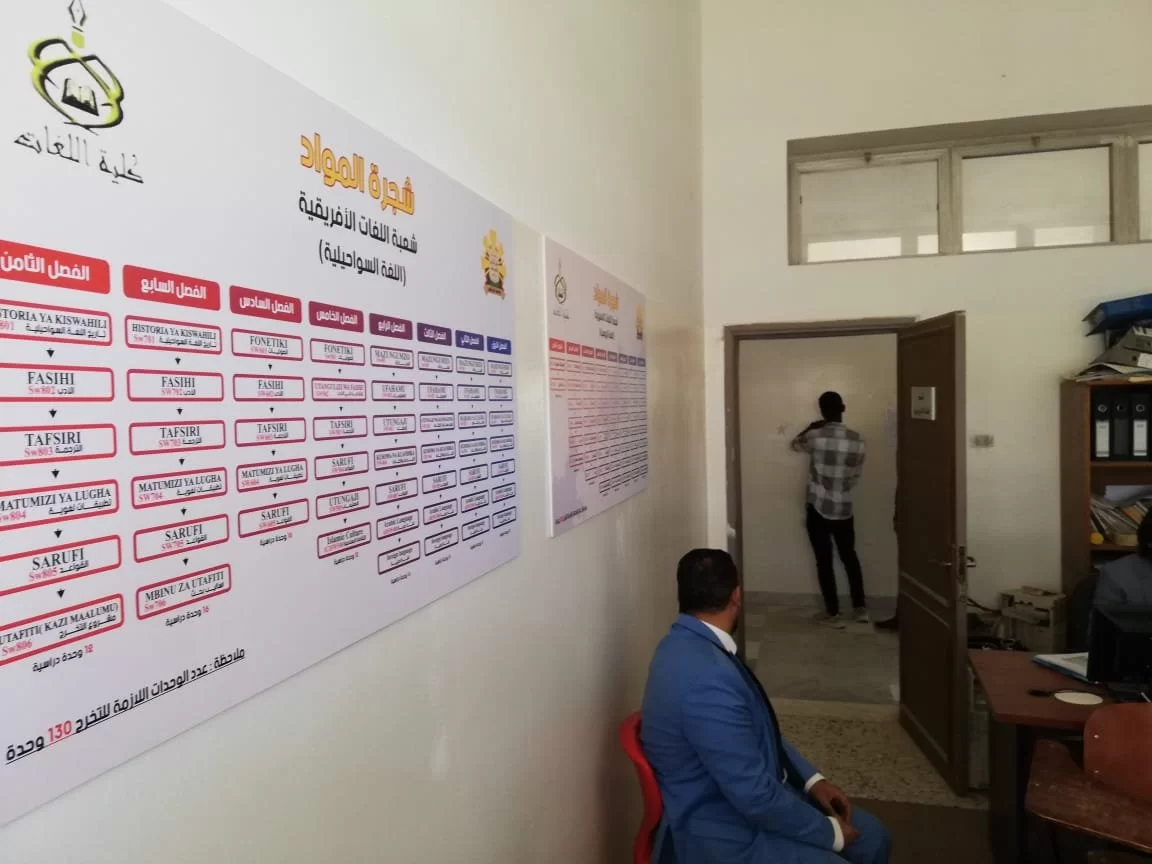
ليسانس لغة سواحيلية
تخصص اللغة السواحيلية

ليسانس لغة سواحيلية...

التفاصيل

من يعمل بـكلية اللغات

يوجد بـكلية اللغات أكثر من 161 عضو هيئة تدريس
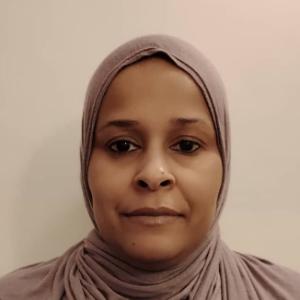
staff photo

أ. محمد عمر على عاشور

Ashour هو احد اعضاء هيئة التدريس بقسم اللغة الانجليزية بكلية اللغات. يعمل السيد Ashour بجامعة طرابلس كـمحاضر مساعد منذ 2011-10-15 وله العديد من المنشورات العلمية في مجال تخصصه

منشورات مختارة

بعض المنشورات التي تم نشرها في كلية اللغات

Causes of Problems Encountered by 3rd Year Preparatory Libyan Pupils in Learning how to Write English

Abstract: With limited classroom, time, in appropriate approaches used in dealing with writing, can cause many problems for teachers and learners. In addition, in the perception of many teachers and some learners writing in English, is not within the scope of their objectives in the first place. A language program and teachers using it may not view time used in writing in classes as well time spent, preferring the time to be spent on more active aspects of language learning, such as learning the language grammar and vocabulary. Unlike speaking and reading, writing is generally a silent reflective activity, “especially productive writing”. Also, many teachers regard emphasizing the development of the learners writing ability as something that takes care of itself, or as a side matter that can be taken care of in the form of an occasional homework. In fewer words writing is less fortunate as well as the other productive skill “speaking in relation to the perceptive skill" listening and speaking "in teaching language. This research attempts to find an answer to the following question: “why do English learners in preparatory schools in Libya fail to learn to write? Therefore, it aims at finding, and pointing out the causes of the problems that face 3rd year preparatory learners in acquiring the ability to write English properly, that is, from the linguistic and educational perspective.
نجاة علي بن غزالة (2012)
Publisher's website

mediating ideology in news headlines: A Case Study of Post-Revolution Egypt

The area of news translation is recently gaining increasing interest in Translation Studies. Research in this area has also begun to receive greater attention, although it remains less frequent in relation to Arabic translation. The intricacies of translating news lie in the fact that they are ideologically-loaded. This paper seeks to investigate the impact of ideology in mediating news headlines from English into Arabic. This study draws on Hatim and Mason's (1997) distinction of the impingement of ideology on translation to meet a set of beliefs and systems of a particular media institution. For this study, 32 news headlines produced by Reuters covering Egypt's post-Arab Spring uprising were examined. Of these, 22 of them were mediated by Al-Arabiya and 10 by Aljazeera on their Arabic webpages, and these were examined to see the degree of ideology mediation. The paper also investigates the nature of news translation, and asks whether this complex process is adequately and clearly defined within the field of Translation Studies. It has been shown that the news headlines have been ideologically mediated in a way that completely different from the original texts and conform to the news organizations’ political/ideological leanings. This resulted in reformulating a different Arabic version from the original.
Hamza Ethelb(5-2016)
Publisher's website

Gender and acoustic variation : cases of vowels in Arabic Libyan of Tripoli

This present study is interested in the articulatory difference and the social construction of this difference in Libyan Arabic of Tripoli between men and women. The data used is a list of words in Libyan Arabic of Tripoli containing consonants with strong distinctive values from a social point of view between men and women. These are pharyngealized consonants / s ˁ, t ˁ, ˁ d / and the corresponding non-pharyngealized consonants / s, t, d /. Gender differences will be illustrated here through the frequency values ​​of the first three formants [F1, F2, F3] of the vowels / i, u, a / which are in contact with the pharyngealized consonants and non-pharyngealized consonants. Based on the above mentioned facts, we formulate our hypothesis as follows: 1. The variation of mean values of F1 and F2 of [i, u, a] depends on the consonantal context, notably pharyngealized and non-pharyngealized 2- The gender difference (male vs female) has a direct impact on how to make the syllable (CV) C= Consonant V= Vowel. 3- The slope of the equation will be a distinctive sign between genders
FATHI SALEM ALI TERFAS, Mohamed Embarki(8-2012)
Publisher's website

المجلات العلمية

بعض المجلات العلمية التي تصدر عن كلية اللغات

وثائق تهمك