قسم علوم الحاسب الآلي

المزيد ...

حول قسم علوم الحاسب الآلي

في بداية السبعينيات كان تخصص علوم الحاسب الآلي يقتصر على كونه شعبة تتبع قسم علوم الرياضيات ثم انفصلت هذه الشعبة  في سنة 1977م لتكون ما يعرف اليوم بقسم علوم الحاسب الآلي بقرار صادر عن جامعة طرابلس حيث افتتح القسم بتلك الفترة بعدد قليل من أعضاء هيئة التدريس جلهم من الجنسيات غير الليبية وبعدد  ما يقارب السبعة طلبة انذاك.  وبذلك اعتمد كإحد الاقسام بكلية العلوم – جامعة طرابلس.

 كانت الامكانيات التقنية والمثمثلة في جهاز الحاسب الآلي المركزي نوع IBM1620 تم تأجيره من شركة IBM بعد ذلك تم ترقية المعدات الى  الجهاز IBM360 ، وكان التحديث الأخير  باقتناء جهاز الحاسب الآلي المركزي نوع  IBM370  ويقوم بتشغيليه نخبة من الفنيين الوطنيين بعد ان تم تدريبهم.

استمر القسم طيلة السنوات بإستخدام الجهاز الحاسب الآلي المركزي حتى ظهور الاجهزة الحديثة  والمتطورة صغيرة الحجم في بداية الثمانينيات والتي تعرف "Personal Computers " والمتعارف عليها  بجاهز الحاسب الآلي الشخصي

حيث تطور القسم على مر السنين وأنشئت المعامل باستخدام هذه الاجهزة ، كذلك ازداد عدد أعضاء هيئة التدريس الليبين بعد رجوعهم من الايفاد بالخارج و  تلقيهم تعاليم علوم الحاسب الآلي في ارقي الجامعات العالمية سعيا منهم في التحسين والرفع من المكانة العلمية للقسم ونشر العلوم الحديثة داخل الوطن كذلك كرسوا طاقاتهم في مجال البحث العلمي واصدار الكتب التخصصية و تحديث المناهج التعليمية بصورة مستمرة والتي تتطابق مع المناهج العالمية ضمن معايير  

(IEEE) Institute of Electrical and Electronics Engineers 

(ACM)Association for Computing Machinery 

والتي تدرس في معظم الجامعات العالمية .

تلقى طلابنا على مر السنوات تعاليم علوم الحاسب الآلي وكان نتاج القسم بدفعات مميزة من الخريجين في هذه العلوم ومنهم من طور نفسه في مجال الابحاث حيث يعتمد في تقنياته على العلوم الاساسية كالرياضيات والفيزياء والإحصاء كأهم ركائز العلوم المتعارف عليها.

ويعد قسم علوم الحاسب الآلي في نشأته من  الأقسام القليلة على مستوى الوطن العربي إن لم يكن أولها.  لذلك فقد كان رائدا في تعليم ونشر علوم الحاسب الآلي وساهم في تطوير وميكنة المؤسسات والقطاعات العامة والخاصة  في الدولة بما قدَّم  من خريجين في مجال علوم الحاسب الآلي منذ ذلك الحين.

حقائق حول قسم علوم الحاسب الآلي

نفتخر بما نقدمه للمجتمع والعالم

10

المنشورات العلمية

22

هيئة التدريس

172

الطلبة

47

الخريجون

البرامج الدراسية

الإجازة التخصصية (بكالوريوس)
تخصص علوم الحاسب الآلي

...

التفاصيل

من يعمل بـقسم علوم الحاسب الآلي

يوجد بـقسم علوم الحاسب الآلي أكثر من 22 عضو هيئة تدريس

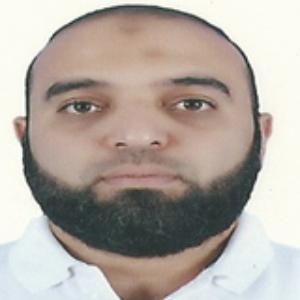
staff photo

أ. أكرم علي عمرو ميلاد

منشورات مختارة

بعض المنشورات التي تم نشرها في قسم علوم الحاسب الآلي

Fault Tolerance Capabilities In C Language A Case Analysis

هذا البحث يقدم نماذج العيب للبرمجة بلغة السي أثناء تنفيد البرامج، نماذج العيب تزود تحليل للعيب/ الفشل موضحاً كيف يمكن للعيب في البرمجة بلغة السي أن يسبب تغيير حالة البيانات في البرنامج لتصبح حاطئة، وكيف أن تلك البيانات الخاطئة يمكن أن تستمر إلى الحالة النهائية للبرنامج، وبذلك يظهر الفشل Failure. نماذج العيب أيضاً تتضمن دليل لأنواع العيوب التي يعتقد أنها تمثل العيوب التي من المحتمل أن تكون مقدمة في البرامج من قبل مبرمجين يكتبون برامج لغة السي. كل نوع من هذه العيوب يكون موصوفاً في شروط حسب العيب الذي يظهر في محتوى برنامج لغة السي الأصلي وكذلك كيف يمكن أن يسبب التأثير في حالة البرنامج. أنواع العيوب تكون محددة من التحليل الدقيق لقواعد اللغة syntaxes ومعانيها semantics للبرامج المكتوبة بلغة السي. نماذج العيب يمكن أن تساعد المختبرين والمبرمجين لتحديد الأماكن في البرنامج التي غالباً ما تظهر فيها العيوب، نماذج العيب يمكن أن تكون أساساً جيداً لتصنيف العيب وإختبار التغيير وتفتيش البرنامج وتقييم إستراتيجيات الإختبار للبرامج المكتوبة بلغة السي. أمثلة معطاة لتبين النماذج الملائمة لهذه الأغراض. Abstract This thesis presents a fault models for C programming (Turbo C, version 3.0) in run-time of programs. The fault models provide a fault/failure analysis of how a fault in C programming can cause a data state change in the program to become corrupted, and how that erroneous data can propagate to the final state of the program, thereby manifesting a failure. The fault models also include a catalog of fault types that are believed to represent faults likely to be introduced in programs by programmers writing C code. Each type of fault is described in terms of how it appears syntactically in source code as well as in how it can cause an infection of program state. The fault types are identified from a careful analysis of the syntaxes and the semantics of C programs. The fault models can help testers and programmers identify places in a program where faults are most likely to appear, and identify what kinds of faults to look out for when using certain feature in C language. The fault models is claimed to be a good foundation for fault seeding, mutation testing, program inspections, and evaluation of testing strategies for C programs. Examples are given that demonstrate the model’s suitability for these purposes.
وفاء حسين محمود المصباحي (2010)
Publisher's website

Minimizing Fractional Errors in Floating Point Number

تدعم لغات البرمجة أعداد النقطة العائمة كنوع بيانات متضمن باللغة built-in data type. إلا أن تمثيل و دقة أعداد النقطة العائمة قد يختلف من لغة إلى أخرى ومن حاسوب إلى آخر. قسمة الأعداد الصحيحة قد تُنتج قيمة بالنقطة العائمة التي في كثير من الحالات يمكن أن تسكّن accommodated بالكامل في الحيز المخصص لها بذاكرة الحاسوب أو أنها تستمر بشكل لانهائي والذي قد ينتج عنه فقد في قيمة الناتج. إذا أخذ الناتج لتجرى عليه حسابات أخرى متتالية فتزيد فجوة الخطأ والتأثير قد لا يكون مقبولاً.في هذا البحث نقدم حلاً مستنداً على تمثيل أجزاء العدد الكسري (الجزء العشريmantissa ، الأساس base، الأس exponent) باستخدام أعداد صحيحة على شكل كسر اعتيادي. في هذه الحالة سنحصل على ثلاثة أعداد: العدد الصحيح Integer value والبسط Numerator والمقام Denominator. مع توضيح طرق إجراء العمليات الحسابية على ضوء هذا التمثيل.كنتيجة لهذا البحث ستكون هذه الطريقة في تمثيل الأعداد الكسرية تمثيلاً كاملاً دون فقدان لشكل الكسر أو جزءًا من قيمته، وتقليل الخطأ التراكمي الناتج عن تتالي العمليات الحسابية. وقد تم إعداد بعض الأمثلة البرمجية للتحقق من فعالية هذه الطريقة ومقارنة نتائجها مع نتائج التمثيل العشري المتبع للنقطة العائمة. Abstract Programming languages support floating point numbers as a built-in data type. However the representation of floating point numbers differs from one language to another.Integer division may result in floating point value that in many cases can be fully accommodated in computer memory or it goes infinitely which produces a lost in the output value. If the result is then taken for further calculations the gape of the error increases and the effect may not be acceptable.In this research a solution is proposal based on representing fractional numbers (mantissa, base and exponent) using integer numbers format. In this case we get three parts: the Integer value, the Numerator value and the Denominator value. The operations on such representation are also introduced. This representation is evaluated and compared with the traditional (Mantissa) representation. Sample programs using C++ language are developed showing how this representation can be used and how fractional numbers are declared and used, with comparison with the normal representation.
ناهد فتحي محمد فرح (2010)
Publisher's website

Evaluation of System-on-Chip Interconnect Architectures: A Case study of Fat-tree Interconnection Networks

Abstract In practice, most SoCs are multiprocessor systems-on-chips (MPSoCs) because it is too difficult to design a complex system-on-chip without making use of multiple CPUs. MPSoCs are the latest picture of very large scale integration (VLSI) technology. The architecture of the system is generally tailored to the application rather than being a general-purpose chip. This in turn enforces designers to move beyond logic design into advanced computer architecture and parallel processing. In such architectures, cores are integrated via a custom or commercial interconnection network with a controller, timing and a function interface to the external world. Current state-of-the-art SoCs already embeds typical sub-systems such as digital signal processors (DSP), RAM, ROM, MPEG cores.The main goal of this thesis is to design an efficient switch for Fat-tree interconnection networks. In addition a useful survey study for interconnection networks architectures, technologies and routing algorithms was provided. The survey included in some details commonly used switching methods and virtual channel arrangements. The proposed switch structure has been validated by a software model.A set of algorithms and procedures have been developed to facilitate the switch functionality. Those procedures include the control of transmission of the packets from switch input buffer to switch output buffer and transferring packets from switch output buffer to neighboring switch input buffer. While the input/output link controllers take care of buffer assignments to flits (packet) and deals with buffer organization. More over, the algorithms include (i) the routing algorithm which is the least common ancestor routing algorithm, (ii) arbitration algorithm that based on round-robin technique.Therefore in this thesis we have proved the correctness of the functionality of the proposed switch in software model that have been written in C++ language. The obtained simulation results of the switch functionality in fat-tree of 16 nodes definitely declare the correctness of the proposed arbitration scheme as well as showing the efficiency of the routing algorithm. Finally, we can say that the fat-tree interconnection network is very good candidate to implement future NoC connectivity for current and future multiprocessor systems-on-chips (MPSoCs) designs due to its modular, flexible and regular structured design. In turn, these features are suitable as well for VLSI realizations.
أسماء شعبان العصار (2010)
Publisher's website