قسم علم العقاقير

المزيد ...

حول قسم علم العقاقير

قسـم العقـاقير من ضمـن الأقسـام العلمية المتميزة والعريقة التي يتميـز بنشاطاته وحيويتـه فى مجال التخصص، ومنـذ نشأته في العام 1978م كان القسم مدموجاً مع قسم الكيمياء الطبية والصيدلية وفـى العـام 1986م تم فصله تحت اسم قسم العقاقير والنواتج الطبيعيـه وفي العـام 2000م تم تسميتـه قسـم العقاقير إلى الوقـت الحـالـي.قـام القسم بتنظيم العـديـد من الندوات العلميـة المتخصصة فى طرابلس أعوام 1999، 2000، 2004 فى إطار خطة مدروسة والمشاركة وتنظيم العـديد من الرحـلات العلمية للطــلاب لجمـع النباتات الطبية ومسحـها كيميائيـاً وبيولوجيــاً في منـاطق غدامــس والجبل الأخضـر والجبل الغـربي وتـرهـونـة وبني وليــد ومســلاته وأوبــارى فى الأعـوام 1983، 1984، 1985، 1987، 1990، 1992، 1997، 2000، 2001، 2002، 2004م ، ويقــوم القسم من خلال مجلسـه بتطـوير مناهجـه بيـن الحيـن والآخـر من خلال الأسـاتذة الـزوار والنظر إلى المنـاهج الحديثة بالأقسام المنـاظرة العربية والدولية، قـام القسـم بتــرشيح العـديد من المعيديـن والطاقـم التدريسي ومساعدي البحـاث والفنييـن في دورات تدريبيــه قصيرة، وتـم انشــاء الحديقة النبـاتيـة الطبية بالقسـم فى العـام 2003م للتعـرف عـلى الأصنـاف المختلفة من ناحية طرق زراعتها وشكلهـا الظـاهرى.

حقائق حول قسم علم العقاقير

نفتخر بما نقدمه للمجتمع والعالم

33

المنشورات العلمية

8

هيئة التدريس

من يعمل بـقسم علم العقاقير

يوجد بـقسم علم العقاقير أكثر من 8 عضو هيئة تدريس

staff photo

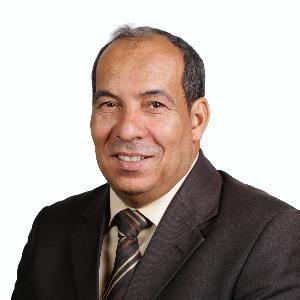
د. مفتاح علي محمد الشوشني

د.مفتاح علي الشوشني هو احد اعضاء هيئة التدريس بقسم علم العقاقير بكلية الصيدلة. تحصل على الدكتوراة من دولة ألمانيا 2009.يعمل د.مفتاح الشوشني بجامعة طرابلس كـأستاذ مشارك وله العديد من المنشورات العلمية في مجال تخصصه

منشورات مختارة

بعض المنشورات التي تم نشرها في قسم علم العقاقير

Phytochemical Screening of Methanolic Extract of Five Libyan Date Varieties (Phoenix Dactylifera L.) And Evaluation of Their Antimicrobial Activity

More than 2000 cultivars of Phoenix dactylifera L. are known to grow around the world. Date is an essential fruit in North Africa, and in Libya in particular, it represents an important national food resource. Recently, researchers discovered the medicinal value of different parts of palm tree beside the well known nutritional value of the fruit edible part. In this study five Libyan date seeds (Bestian, Deglet, Abel, Khadrai and Hamrai) were collected from Aljofra region and were screened for phytochemical components and their antimicrobial activity. The phytochemical analysis of methanolic extract of five different Libyan date palm seeds showed the presence of aflavnoids, glycosides, phytosterols, phenolic compound, tannins, and fixed oil, absences of alkaloids and saponine. The susceptibility of bacterial species to five methanolic extracts of Phoenix dactylifera L seeds by cup-cut agar method exhibited Inhibition zones (IZD). That inhibition zone diameters are vary from 15.0 0.3 to 3.02 0.01 against MRSA; 16.040.1 to 6.0  0.7 against Pseudomonas aeruginosa; 14.2 0.1 to 6.00.7 against Proteus vulgaris; 18.3 0.2 to 6.0 0.1 against Staphylococcus aureus; 14.04 0.2 to 2.0 0.02 against E. coli; and 18.0 0.1 to3.2 0.02 against Klebsiella pneumonia. The results of current study shows the antibacterial properties of five Libyan samples of date seed extract against a wide spectrum of bacteria. arabic 21 English 126
Basma Doro, Nahla Labyad, Fadia Gafri(1-2020)
Publisher's website

Influence of fungal napthalenone derivatives on immune cells in an in vitro model of inflammation

Marine fungi are a promising source for bioactive compounds [1]. The fungal strain 222 has been isolated from wood collected at the coast of the Greifswalder Bodden, Baltic Sea, Germany and produces structurally new naphthalenone derivatives, balticols A to F. They possess antiviral activities [2]. Since other naphthalene compounds are known for their anti-inflammatory activities we investigated whether the balticols have an influence on inflammatory immune cells. Balticols (1 and 10µg/ml) were added to rat mononuclear cells (F344-MNC) which were cultured alone or together with H9c2-cardiomyocytes. The latter represents a model of inflammation similar as observed after myocardial infarction. MNC's were collected after 48h and analyzed for T-, B-, NK-, TH-cells and CTL's by flow cytometry. Dexamethasone (Dexa, 10–9 mol/l) served as positive control. None of the balticols except balticol E changed the number of control MNC's. The proportion of T-cells was decreased by balticol B and D, but ICAM-1+T-cells increased. Balticol D decreased TH- and increased B-cells as Dexa which additionally decreased CTL's. None of the substances influenced NK cells. After co-culture with cardiomyocytes TH-cells were decreased while CTL's and ICAM-1+T-cells increased. Balticol D partly anticipated the decrease of TH. Balticol E decreased T-cells, especially TH-cells, but stimulated ICAM-1+T-cells. Dexa anticipated the increase of CTL's, had no influence on the proportion of TH-cells and diminished ICAM-1+T-cells. In summary, balticols B, D and E influence unstimulated MNC's. Unambiguous anti-inflammatory effects were detected using Dexa and balticol E which exerts its effect due reduction of T-cells. arabic 14 English 83
B. Haertel, Muftah A. Shushni, Ulrike Lindequist(1-2010)
Publisher's website

Phyto-pharmaceuticals and biological study on graviola (Annona muricata L.) fruit and dietary supplement of graviola sold on the Libyan market as a cancer cure against TCA induce hepatotoxicity in mice

Annona muricata (Graviola) has many medicinal properties and used widely in traditional medicine for treatment various disorders. The present study was conducted to evaluate phytochemical and quality control (QC) of random sample of graviola dietary supplement capsules (DS) which sold in the Libyan market as anticancer product. As well as the present work designed to evaluate heatoprotective effects of aqueous extract of graviola fruit pulp or aqueous DS of graviola capsules against trichloroacetic acid (TCA) induced hepatotoxicity in albino mice. Quality control parameters were determined on random samples of graviola DS using standard methods. A total of 120 female mice were divided into 6 groups and were used for biological screening to determine biochemical and histopathological alteration in liver of mice treated with TCA with or without aqueous extract of A.muricata fruit pulp or DS of graviola. The results of quality control and phytochemical screening revealed that all quality control tests conducted on the random sample of DS capsules of graviola were within normal values according to the standards of the Quality Control Center for Pharmaceuticals in Tripoli, only few samples showed slight increase in the moisture content. However, all samples appeared free from microbial contamination. While, growth of fungal contamination (Pencillium Spp) in the same samples were detected but all samples appeared free from aflatoxins contamination. Also, all samples were free from industrial radioactive contamination. Phytochemical study revealed presence of alkaloids, tannins, steroids, glycosides, falvonoids, anthraquinones, saponin and coumarins in extracts of graviola fruit pulp and graviola DS capsules. However, absence some phytochemical components in DS capsules was detected. The result of biological screening revealed that no clinical signs and abnormalities in behavior and external feature in mice treated with aqueous extract of graviola fruit pulp or aqueous extract of graviola DS capsules. However, the treatment with aqueous extract of graviola fruit pulp and DS of graviola reduced the abnormal changes in behavior and external features in female mice intoxicated with TCA, markedly reduced the mortality in TCA administrated mice and induced slight improvement in the final body weight comparing to TCA only intoxicated group. Biochemical study revealed that administration of aqueous extract of graviola fruit pulp or aqueous extract of DS of graviola significantly decreased the elevated serum activities of AST and ALT compared to TCA only intoxicated mice. Histological examination revealed that administration of aqueous extract of graviola fruit plup or aqueous extract of DS of graviola with TCA induced ameliorative changes and disappearance of the most pathological changes in the liver tissue compared to of TCA only intoxicated mice and the ameliorating changes were more obvious in the mice treated with aqueous extracts of DS of graviola and TCA. The present results demonstrate that A. muricata play an important role in the protection against TCA induced hepatotoxicity. It can be concluded that the present study provide some pharmacological and therapeutical informations about extract of the graviola fruit pulp and DS of graviola capsules which can use in future investigations and applications and demonstrated presence of important phyochemical constituents in the graviola fruit pulp extract and DS of graviola capsules. The extract of the graviola fruit pulp and DS of graviola capsules have protective effects against TCA induced liver toxicity in mice. arabic 33 English 168
Ajlal A. A. Alzergy, Mukhtar R. Haman, Muftah A. M. Shushni, , Fairouz A. Almagtouf (2-2018)
Publisher's website