Department of Pharmacology & Clinical Pharmacy

More ...

About Department of Pharmacology & Clinical Pharmacy

Facts about Department of Pharmacology & Clinical Pharmacy

We are proud of what we offer to the world and the community

13

Publications

21

Academic Staff

Who works at the Department of Pharmacology & Clinical Pharmacy

Department of Pharmacology & Clinical Pharmacy has more than 21 academic staff members

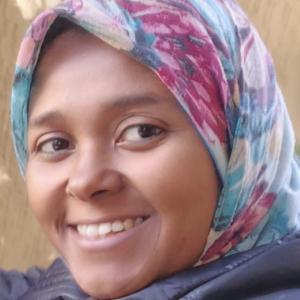
staff photo

Prof.Dr. Walid Yousef Saad Tarsin

وليد تارسين هو احد اعضاء هيئة التدريس بقسم علم الادوية والصيدلة السريرية بكلية الصيدلة. يعمل السيد وليد تارسين بجامعة طرابلس كـأستاذ منذ 2014-09-17 وله العديد من المنشورات العلمية في مجال تخصصه

Publications

Some of publications in Department of Pharmacology & Clinical Pharmacy

Effect of Mirtazapine on Ethanoli-Nduced Gastric Ulcer in Wistar Rats

قرحة المعدة والإثناعشر هي من أكثر أمراض الجهاز الهضمي انتشارا وتنتج عن تلف الغشاء المخاطي للمعدة والإثناعشر نتيجة لعدة عوامل أهمها: زيادة إفراز حمض الهيدروكلوريك والعدوى بميكروب الحلائز البوابية والاستخدام المزمن للأدوية المضادة للالتهابات الغيرستيرويدية، إضافة إلى عوامل أخرى مثل التدخين والاستعمال المفرط للكحول. كما تلعب العوامل النفسية والإجهاد العصبي دوراً هاماً في استحداث المرض. أثبتت العديد من الدراسات السابقة على فئران التجارب أن الأدوية المضادة للاكتئاب والتوتر تساعد في تخيف أعراض قرحة المعدة والتي تزيد نسبة الإصابة بها في مرضي الحالات العصبية والنفسية مثل القلق واضطرابات الشخصية والاكتئاب. الهدف من الدراسة: يعتبر الدواء مرتازابين من الأدوية الحديثة لعلاج مرض الاكتئاب، هذا الدواء له آلية تأثير مميزة، عليه صممت هذه الدراسة لدراسة التأثير المضاد للمرتازبين على القرحة المعدية المستحدثة في الفئران البيضاء بواسطة الإيثانول. الخطوات وطرق العلاج: ثم استعمال فئران بيضاء بالغة من الذكور في جميع التجارب. تم إعطاء الإيثانول لكل الفئران عن طريق الفم بجرعة تساوي 1 ملي ليتر/200 جرام من وزن الجسم. ثلاث جرعات مختلفة من عقار المرتازابين (15،30،60 ملجم/كجم) تم إعطاؤها لمجموعات مختلفة من الفئران ساعة قبل تجريعها الإيثانول، وقورنت النتائج بمجموعة مرجعية عولجت بعقار الرانيتيدين 50 ملجم/كجم وهو مثبط لمستقبلات الهيستامين نوع-2. النتائج: بينت نتائج هذه الدراسة أن الجرعات المختلفة لعقار المرتازابين قللت وبشكل فعال من أعداد وأطوال قرحة المعدة الناجمة عن الإيثانول، وكانت الجرعة 30 ملجم/كجم هي الأكثر فعالية في التقليل من حدوث القرحة في الفئران. وأكدت التغيرات الهيستوباثولوجية لنسيج المعدة في المجموعات المختلفة تلك النتائج. إضافة إلى ذلك فإن المعالجة بعقار المرتازابين أدى إلى زيادة طفيفة في حموضة المعدة الكلية، وكانت الزيادة ملحوظة مع استعمال الجرعة العالية من المرتازابين وهي 60 ملجم/كجم. الاستنتاج: نستنج من هذه الدراسة أن المعالجة المسبقة للفئران بالعقار المضاد للاكتئاب المرتازابين قبل استحداث القرحة المعدية بالإيثانول يؤدي إلى التقليل من حدوث هذه القرحة، وهذه الحماية لا ترتبط بالتقليل من إفراز الحمض المعدي والذي كانت زيادته ملحوظة باستخدام الجرعات المختلفة من المرتازابين. Abstract: Despite the availability of many drugs used to treat peptic ulcer disease, the search for new therapy is continued. Antidepressant drugs are among the drugs used since the early 1950s to treat gastric ulcers. In this study the antiulcer activity of 15, 30 and 60 mg/kg of the antidepressant drug mirtazapine has been evaluated on ethanol-induced gastric ulcers in wistar rats. The results have been compared with those of a reference group treated with 50 mg/kg ranitidine and an ulcer control group given distilled water as a pre-treatment before administration of ethanol. All the three doses of mirtazapine have significantly reduced the number (p
هدي يوسف بادي (2015)
Publisher's website

Experimental study comparing burn healing effects of raw South African Shea butter and the samples from a Libyan market

Background: The fat extracted from the nut of the African Shea tree (Vitellaria paradoxa) is called Shea butter. It has multiple uses at the local level as it is used in cosmetic products and as a cocoa butter substitute in chocolate industries. It has a high nutritious value and is also a valuable product on the local, national, and international markets, making it the ideal candidate to research and invest in. Aim: This study is a comparative experimental study of the possible burn healing effects between imported South African raw Shea butter and samples in a Libyan market. Method: The control samples were brought from South Africa (Benin traditional markets). A total of 18 different samples were collected from different sale centers in Tripoli, including pharmacies, beauty shops, and spices shops, in addition to one sample brought from Poland. Animal experiment on burn healing effect was carried out on nine male Sprague Dawley (350–400 g) rats aged 6–8 weeks old. After shaving the animal’s dorsum hair, a metal cube was used to create a deep second degree burn wound, and the cube was heated to 100°C for 20 seconds. Medication with Shea butter (control, T1, and T2) was initiated daily for one for these groups by the application of a thin film of the Shea butter samples on the burned areas. On days 1, 3, and 7, the rats were anesthetised and a sample from the burned scar tissue and skin adjacent were evaluated using pathological parameters. Results: The histological study indicates that the use of Shea butter T1 as topical treatment induces an immune response, which enhances the form of the presence of a large number of inflammatory cells in the epidermis and dermis layers. The treatment of burned skin with T2 lasted for 72 hours and it showed slightly significant healing in the normal structure of proliferative granulation tissue with accumulation of fibroblasts and inflammatory cells surrounding the sebaceous glands and hair follicles. Small areas of the epidermis which formed few layers were observed and some hair roots were grown. This was well seen in cases of T1 and T2. Shea butter bought as raw might have a bad effect on burned skin. Conclusion: Shea butter bought as raw might have bad effect on burned skin. On the other hand, the sample from Poland had a therapeutic effect, which was because of the additives such as avocado oil, grape seed oil, and others. arabic 18 English 101
Sakina Salem Mohammed Saadawi, Soad Ali Abdulsalam Treesh, ٍSuhera Mehemed Abdulsalam Aburawi, , , (11-2020)
Publisher's website

دراسة فارماكولوجية لتأثير مثبطات الالتهاب غير الستيرويدية على التأثير المضاد للتشنجات لعقار الديازبم في الفئران

Abstract Benzodiazepines are frequently prescribed as anxiolytics, sedatives hypnotics, and muscle relaxants as well as anticonvulsants. Non-steroidal anti-inflammatory drugs (NSAIDs) are also the most widely used for their anti-inflammatory, analgesic and antipyretic activities. Because of the chronic nature of epilepsy, NSAIDs may be used with benzodiazepines in patients with epilepsy. Therefore, there’s a probability of an interaction of NSAIDs and benzodiazepines in clinical practice. In order to study such interactions experimentally, an animal model was used. Thus, this thesis was aimed to explore pharmacological interactions between selective and non selective NSAIDs and diazepam anticonvulsant effect. Convulsion was induced in male albino mice by picrotoxin in two different doses (6 and 8 mg/kg), NSAIDs were used according to selectivity to cyclooxygenase enzyme (COX): Aspirin at 10 mg/kg (COX-1 selective inhibitor) and Aspirin at 100 and 200 mg/kg, diclofenac 10 and 20 mg/kg (non selective COX inhibitors) and celecoxib 20 mg/kg (COX-2 selective inhibitor). Diazepam at 1 and 2 mg/kg were chosen as low doses and parameters of convulsive behavior of picrotoxin deviation. psy, NSAIDs may be used with benzodiazepines in patients with epilepsy. Therefore, there’s a probability of an interaction of NSAIDs and benzodiazepines in clinical practice. In order to study such interactions experimentally, an animal model was used. Thus, this thesis was aimed to explore pharmacological interactions between selective and non selective NSAIDs and diazepam anticonvulsant effect. Convulsion was induced in male albino mice by picrotoxin in two different doses (6 and 8 mg/kg), NSAIDs were used according to selectivity to cyclooxygenase enzyme (COX): Aspirin at 10 mg/kg (COX-1 selective inhibitor) and Aspirin at 100 and 200 mg/kg, diclofenac 10 and 20 mg/kg (non selective COX inhibitors) and celecoxib 20 mg/kg (COX-2 selective inhibitor). Diazepam at 1 and 2 mg/kg were chosen as low doses and parameters of convulsive behavior of picrotoxin were observed in this thesis: onset time, episode frequency and death occurrence within post-injection of picrotoxin for 24 hrs. Aspirin in low dose (10 mg/kg) showed protection against death to about 50%. This protection which seems to be partially effective as anticonvulsant agent, however, higher dose of Aspirin (100 mg/kg) did not produce any significant change against convulsing in mice, Aspirin 200 mg/kg showed highly significant reduction of episode frequency (P < 0.001) and decreased percent of death. Furthermore, Aspirin 200 mg/kg in combination with diazepam has potentiated the effect of diazepam to complete protection against convulsion induced by picrotoxin. With respect to diclofenac, diclofenac pretreated-mice did not show any significant effect at 10 and 20 mg/kg with picrotoxin but in combination with diazepam showed significant potentiated effect of diazepam. Moreover, COX-2 inhibitor (celecoxib) alone delayed onset of convulsion without significant influence against the control but significantly decreased episodes and percent of death. Also in combination of celecoxib and diazepam, a highly potentiation of the effect and almost complete protection against convulsion behavior were noted (P < 0.001). Thus, it can be concluded that the studied NSAIDs have anticonvulsant behavior-like activity alone and in combination with diazepam. The most profound effect of anticonvulsant activity was showed in low episodes and mortality rate. In combination with diazepam, NSAIDs have more positive potential role in diazepam anticonvulsant effect. The present findings may also suggest that NSAIDs most likely COX-2 selective inhibitor is more potentiated diazepam’s anticonvulsant activity than COX-1 selective and non-selective inhibitors and such interaction could be more likely to be pharmacodynmic type.
نجمية محمد الزواوي (2014)
Publisher's website