
قسم الاحياء الدقيقة والمناعة

المزيد ...

حول قسم الاحياء الدقيقة والمناعة

يعتبر قسم الأحياء الدقيقة والمناعة بكلية الصيدلة من الأقسام الرئسية التي تدرس علم الأحياء الدقيقة الصيدلانية والمناعة، في بداية أنشئ كلية الصيدلة كانت مقرارت القسم تدرس تحت إشراف قسم الصيدلة الصناعية إلى أن تم انشاء قسم الأحياء الدقيقة والمناعة في بداية التسعينات. يقوم قسم الأحياء الدقيقة والمناعة بتدريس مقررات الأحياء الدقيقة العامة والأحياء الدقيقة الصيدلانية وعلم المناعة الصيدلانية وكذلك مراقبة الجودة الميكروبيولوجية، كما يقوم القسم أيضا بالإشراف على تدريس مقررات الإحصاء واللغة العربية لطلاب الفصل (التمهيدي) الأول بكلية الصيدلة، هذا بالإضافة إلى تعاون القسم في المجال البحثي والتدريس الجامعي مع بعض الكليات المناظرة في الجامعات الليبية سواءً كان في مرحلة البكالوريوس أو مرحلة الدراسات العليا، وكذلك مع مركز مكافة الأمراض ومركز الرقابة على الأدوية والأغذية. كمـا يقوم القسم بتقديم الاستشارات والخبرات في مجالات الأحياء الدقيقة العامة والصيدلية والطبية والصناعية، كذلك يقدم القسم الخبرة الفنية وإجراء التحاليل اللازمة على مختلف العينات التي ترد إلى القسم في مجال الرقابة الجرثومية وتأكيد جودة التصنيع في كل ما يتعلق بالمستحضرات الصيدلانية وتقييم فاعلية التضاد الميكروبي للمضادات الحيوية وغير الحيوية، كما يحرص القسم على التعاون مع المراكز الصحية والمستشفيات العامة في مجال الأبحاث والاستشارات المتعلقة بعلم الأحياء الدقيقة الصيدلانية.

حقائق حول قسم الاحياء الدقيقة والمناعة

نفتخر بما نقدمه للمجتمع والعالم

12

المنشورات العلمية

5

هيئة التدريس

من يعمل بـقسم الاحياء الدقيقة والمناعة

يوجد بـقسم الاحياء الدقيقة والمناعة أكثر من 5 عضو هيئة تدريس
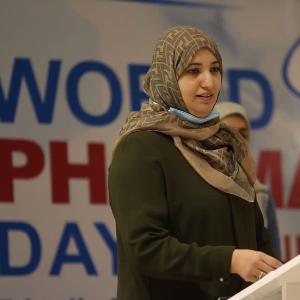
staff photo

د. بسمة محمد خليفة دورو

بسمة دورو هي احد اعضاء هيئة التدريس بقسم الاحياء الدقيقة والمناعة بكلية الصيدلة. تعمل السيدة بسمة دورو بجامعة طرابلس كـاستاذ مساعد منذ 2017-04-15 ولها العديد من المنشورات العلمية في مجال تخصصها

منشورات مختارة

بعض المنشورات التي تم نشرها في قسم الاحياء الدقيقة والمناعة

Evaluation of the Efficacy of Biocides on Bacterial Strains Isolated from Tripoli Medical Centre (TMC) تقييم فاعلية المضادات غير الحيوية على السلالات البكتيرية المعزولة من مركز طرابلس الطبي

تستخدم مطهرات الارضيات ومطهرات الايدي على نطاق واسع في المستشفيات ومرافق الرعاية الصحية الأخرى لمجموعة متنوعة من التطبيقات. ومع ذلك، لا يتم دائما ذكر فعاليتها المضادة للبكتيريا بشكل جيد من قبل المنتجين والمستهلكين حيت يجدون صعوبة في اختيار المنتج المناسب وفقا لاحتياجاتهم. لذلك، كان الهدف من هذه الدراسة تقييم فعالية التضاد البكتيري لمطهرات الارضيات ومطهرات الايدي المختارة من مركز طرابلس الطبي باعتباره أحد اهم المستشفيات الليبية.  أربعة عشر (14) نوعا من مطهرات الارضيات ومطهرات الايدي.(Dex36, Dex50, Dex53, Mzid-S, Mzid-AF, Deson-AF, Dettol, Seem, Chlor and Wipol, HiBi, Esept, Emed and Desman) . تم تقييمها باستخدام أربعة أنواع من التجارب المعملية العيارية وهي: (capacity test, diffusion test, in-use test and suspension test) ضد ستة من السلالات البكتيرية ، ثلاثة من البكتيريا إيجابية الجرام وثلاثة من البكتيريا سالبة الجرام.(Bacillus cereus, Staphylococcus haemolyticus, Staphylococcus aureus, Klebscilla pneumonia, Acinetobacter baumannii, and Pseudomonas aeruginosa). هذه السلالات تم عزلها من بيئات مختلفة من اقسام مركز طرابلس الطبي ، وقد تم دراسة حساسيتها لمطهرات الارضيات ومطهرات الايدي بتراكيز مختلفة و فترات تحضين مختلفة ، وأظهرت النتائج أن استخدام التراكيز الموصى بها من مركبات (Dex 50 & 53 and Deson-AF) كان لها تأثير كبير على تثبيط الأنواع البكتيرية التالية:Bacillus cereus, Staphylococcus haemolyticus, staphylococcus aureus, Klebsiella pneumonia, Acinetobacter baumannii, and Pseudomonas aeruginosa..تشير النتائج الإجمالية ان مركبات (Dex50 & 53, Mzid-S, Mzid-AF, HiBi) عد استخدامها وفق التخفيفات الموصى بها ، كانت الأفضل كمطهرات ضد البكتيريا التالية:Bacillus cereus, Staphylococcus aemolyticus, staphylococcus aureus, Klebsiella pneumonia, Acinetobacter baumannii, and Pseudomonas aeruginosa إن الاستخدام الجيد والصحيح للمطهرات ضروري لتجنب الإصابة بالأمراض التي قد تنشأ من جراء انتشار مثل هده الميكروبات الممرضة. Abstract Biocides (disinfectants and antiseptics) are used extensively in hospitals and other health care settings for a variety of applications. However, their .ntibacterial effectiveness is not always well stated by the manufacturers and consumers find it difficult to choose the right product according to their .eeds. Therefore, the aim of this study was to evaluate practically achieves disinfection efficacy of locally available disinfectants and antiseptics on surfaces and infectious microbiological utilities of Tripoli Medical Center (TMC). Fourteen biocides; Ten disinfectants (Dex36, Dex50, Dex53, Mzid-S, Mzid-AF, Deson, Dettol, Seem, Chlor and Wipol) and four antiseptics (HiBi, Esept, Emed and Desman) were tested at concentrations .commended by manufacturers on surfaces, walls and different utilities that were ontaminated by locally circulating six isolates of .cilluscereus,Staphylococcus haemolyticus, staphylococcus aureus, Klebscilla pneumonia, Acinetobacter baumannii, and Pseudomonas aeruginosa using four standard evaluation test procedures (capacity test, diffusion test, in-use test and suspension test). Results showed the highest average log reduction (7.4) of test bacteria was given by quaternary ammonium based disinfectants; Dex50, Dex53, Deson-AF and Mzid-S. A comparable average log reduction of test bacteria was noted (7.0, 7.2 and 7.3) for Deson-AF, Dex.50 and Dex.53 respectively. In contrast HiBi as an alcoholic based antiseptic gave the highest average log reduction (7.2) gainst tested bacteria. Desman, Emed and Wipol antiseptics had poor antibacterial activity on tested bacteria causing almost undetectable log reduction in cell viability. From contamination point of view, five critical departments in Tripoli Medical Centre (TMC) namely; Neonatal Intensive Care Unit (ICU), Surgical ICU, Dermatology, Oncology, and Urology departments were found contaminated with six types of bacteria. Bacillus cereuses followed by lebscilla pneumonia were the most bacteria spread in whole five mentioned departments, particularly in dermatology department. Staphylococcus haemolyticus was next most widespread bacterium and almost isolated qually from the five medical departments. Acinetobacter baumannii had been isolated from Neonatal ICU; whereas Staphylococcus aureus and seudomonas aeruginosa had been isolated from Oncology Department and Surgical ICU respectively. In addition, Dex36, Chlor, Chlor, Wipol, Desman and E-med exhibited bacterial contaminationin both capacity and in-use ests.
آمال منصور إبراهيم (2016)
Publisher's website

Carriage and Genetic Profile of MRSA Isolated from Pediatric Hospital

تشكل البكتيريا العنقودية الذهبية المقاومة للميتاسلين، والتي تعرف اختصارا "بالمرسا" MRSA وهي واحدة من أكثر البكتيريا الممرضة المقاومة للمضادات الحيوية، والتي تشكل مشكلة صحية خطيرة بين البالغين والأطفال، الدراسة لمثل هذا النوع من البكتيريا محدود جدا في ليبيا، وغالبا ما تكون مقتصرة على البالغين، ولا توجد أي بيانات توضح مدى انتشارها بين الأطفال. أجريت هذه الدراسة الاستطلاعية في مستشفى الأطفال بطرابلس، واستهدفت تحديد معدل تواجد هذه البكتيريا في الأنف، والتحقق من بعض خصائص المقاومة والعدائية لهذه البكتيريا، بإتباع الطرق الظاهرية والجزيئية. لتعريف عزولات بكتيريا "المرسا"، تم استخدام طرق سريعة و تقليدية، وذلك وفقا للأساليب التوجيهية القياسية فمنها ما يتعلق بتحديد النمط الظاهري مثل (طريقة انتشار القرص Kirby-Bauer's، و CRA، و (TCP، وأخرى للكشف عن النمط الجيني مثل (تفاعل البلمرة(PCR ، وذلك لفحص هذه البكتيريا، و تحديد قدرتها على إنتاج الشريط الحيوي "biofilm"، ومدى مقاومتها للمضادات الحيوية، بالإضافة إلى اختبار MATs لتحديد درجة الإسترطاب "hydrophobicity"، كما تم استخدام PFGE لتحديد النوع الجزيئي لعزولات بكتيريا "المرسا".استغرقت مدة الدراسة16 شهرا، أظهرت النتائج خلالها، أن أجمالي معدل التواجد العام لهذه البكتيريا كان%9.23 ، وفي الوقت نفسه كان معدل انتشارها بين المرضى في الأقسام (%8.3) ، وأمهات المرضى %11))، و المرضى في العيادات الخارجية (%2.19)، و موظفي الرعاية الصحية %12.36)). أوضحت النتائج أيضا ، أن هناك فرق واضح في معدل انتشار بكتيريا "المرسا" بين المرضى داخل الأقسام، والمرضى في العيادات الخارجية (P = 0.044)، كما لوحظ أن أعلى معدل لهذه البكتيريا كان يحمله مرضى العناية المركزة، وقد تم تصنيف %64من عزولات هذه البكتيريا على أنها مكتسبة من المستشفيات والمرافق الصحية، كما بينت هذه الدراسة ، أن ما نسبته 30.7 % من بكتيريا "المرسا" وجد في المرضى نزلاء المستشفى، وكانت لها مقاومة متعددة للدواء "multi-drug resistance".باستخدام طريقتي CRA و TCP وجد أن: 45.71% من عزولات بكتيريا "المرسا" كانت مكونة للشريط الحيوي ْ"biofilm" باستخدام طريقة CRAوعندما تم استخدام طريقة TCP، كانت نسبة عزولات بكتيريا "المرسا" القادرة على تكوين الشريط الحيوي هي 48.57 %، كافة الأجناس من بكتيريا "المرسا"، أظهرت أن لها خاصية الاسترطاب "hydrophilic character"، كما أن نتائج تفاعل البلمرة PCR بينت أن %100 من هذه البكتيريا التي تم فحصها هي حاملة للجين mecA، جينات أخرى تم الكشف عنها بنسب مختلفة، وهي كالتالي luksPV ، fnbA ، icaA/icaD ، cna ، بنسب مئوية هي: 28.57%، %71.82، 60.0% 34.28% ، على التوالي ، بينما الجين نوع clfA لم يتم الكشف عنه ، كان الجين ermCالأكثر وجودا بنسبة 69.23%، ثم يتبعه الجين ermBبنسبة 46.15%، وبعدها الجين msrA بنسبة 38.46%، وأخيرا الجين ermA بنسبة 15.38%.كما برهنت هذه الدراسة، أن أجناس بكتيريا "المرسا" المفوعة، التي تحوي الجين المسؤول عن PVL، والتي لها القدرة على تكوين الشريط الحيوي، هي من أكثر الأجناس احتمالية في زيادة ظهور الالتهابات الحادة، كما أوضحت هذه الدراسة أيضا، أن غالبية بكتيريا "المرسا" تحتوي على جين التصاق واحد على الأقل من نوع fnbA، ولكن ليست جميعها قادرة على تكوين الشريط الحيوي، وقد وجد أن النوع A هو الأكثر تواجدا في PEGE. دراسات أخرى مطلوبة لتعيين جميع خصائص النمط الجيني لعزولات بكتيريا "المرسا".
اميمه حسن الحداد (2012)
Publisher's website

 Effect of Ciprofloxacin on S. aureus and E. coli Growth in Presence of Vitamin C Using Cup Cut Diffusion Method

Abstract: Ciprofloxacin is a second-generation of fluoroquinolone, broad-spectrum antibiotic with bactericidal activity against Gram-positive and Gram-negative organisms. It is one of the most widely used antibiotics, because of its efficacy, safety, and relatively low cost. Ascorbic acid (vitamin C) is water-soluble monosaccharide antioxidant; it is essentially required by the body for its various biochemical and physiological processes. S. aureus is Gram-positive cocci; widely distributed in the environment, it is a member of the normal flora of the body. S. aureus is not always pathogenic; it is a common cause of skin infections including abscesses, respiratory infections such as sinusitis, and food poisoning. E. coli is Gram-negative bacteria, found in the environment, foods, and intestines. Most E. coli strains are harmless; it is part of the normal microbiota of the gut. However, some serotypes of E. coli cause serious food poisoning in their hosts; it can cause diarrhea, while others cause urinary tract infections, respiratory illness and pneumonia, and other illnesses. Method: Cup cut diffusion method was applied. Experiment I: is carried out to choose the concentration of vitamin C to be used in experiment II. The negative control is normal saline, added in cup in each plate, vitamin C (100 mg/mL, 200 mg/mL, 400 mg/mL) was added, the volume in each cup was 100 μL. Experiment II: Eight groups of treatments were applied. The first is the negative control (1% normal saline), the second group is the positive control of vitamin C (200 mg/mL). The third, fourth and fifth groups are ciprofloxacin with different concentrations (10 mg/mL, 20 mg/mL, 40 mg/mL); the sixth, seventh and eighth are the combination of vitamin C with each concentration of ciprofloxacin (10 mg/mL, 20 mg/mL, 40 mg/mL). Each group includes six petri dishes. Bacterial plates were incubated at 37 o C for 24 h and 48 h. Zone of inhibition is measured in mm. Results and conclusion: Ciprofloxacin produces dose dependent increase in zone of inhibition of S. aureus and E. coli growth, after 24 and 48 hours incubation. While vitamin C in the concentration used produced inhibitory effect on the growth of S. aureus and E. coli, after 24 hours incubation, vitamin C effect was not changed after 48 hours incubation. After 24 hours incubation, vitamin C potentiated the effect of ciprofloxacin at low concentration (10 mg/mL); while vitamin C antagonized the effect of ciprofloxacin at higher concentrations (20 and 40 mg/mL) on S. aureus growth. In the same time, ciprofloxacin antagonized the inhibitory effect of vitamin C on S. aureus growth. After 48 hours incubation, S. aureus produced resistance against ciprofloxacin alone, and that combined with vitamin C compared to zone of inhibition after 24 hours. Ciprofloxacin produced dose dependent inhibition of E. coli growth after incubation for 24 and 48 hours. Vitamin C potentiated the inhibitory effect induced by ciprofloxacin (additive effect). The inhibitory effect of ciprofloxacin, vitamin C and the combination was not changed after 48 hours compared to 24 hours.
Bassma M. Doro, Suhera M. Aburawi(7-2019)
Publisher's website