Faculty of Medical Technology

More ...

About Faculty of Medical Technology

Facts about Faculty of Medical Technology

We are proud of what we offer to the world and the community

13

Publications

93

Academic Staff

38

Students

37

Graduates

Programs

No Translation Found
Major No Translation Found

No Translation Found...

Details
No Translation Found
Major No Translation Found

No Translation Found...

Details

Who works at the Faculty of Medical Technology

Faculty of Medical Technology has more than 93 academic staff members

staff photo

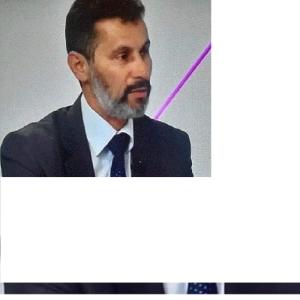
Mr. ABDUSSALAM ABDULGADER ELJABALI ELJABALI

عبدالسلام الجبالى هو احد اعضاء هيئة التدريس بقسم تقنية الاسنان بكلية التقنية الطبية. يعمل السيد عبدالسلام الجبالى بجامعة طرابلس كـمحاضر مساعد منذ 2016-2-27 , ومحاضر منذ 26-09-2020 وله العديد من المنشورات العلمية في مجال تخصصه

Publications

Some of publications in Faculty of Medical Technology

Serological study on the prevalence of malaria in samples from foreign workers in Tripoli, Libya

This study was primarily conducted to investigate the prevalence of imported malaria in a sample of foreign workers (n-1038) in Tripoli during the period from May 2006 to June 2007. A comprehensive review of malaria epidemiology in Libya in the last two decades was also given. All samples were tested serologically using Malaria Rapid Diagnostic test and then examined using blood film technique. Results showed that only 10 samples (1%) were tested positive for both malaria rapid diagnostic test and blood film. Nine of those infected were identified as Plasmodium falciparum and one as Plasmodium vivax. This study confirms that the prevalence of malaria in legal foreign workers is low and the risk of re-introducing or transmitting malaria in the northern areas of the country is remote. It also gives no good reason for including malaria test among those requested for issuing health certificates to foreign workers. The use of malaria Rapid Diagnostic test for malaria detection in this study was proved to be practical and reliable. Although, the situation of imported malaria in Libya imposes no immediate threat to re-emerging of malaria in the country however, continuous surveillance and monitoring particularly to the southern regions and populations have to be taken in a great consideration. An updated new map of malaria vectors distribution in Libya is urgently needed to be able to outline areas of high risk of malaria transmission.
Fadwa Jamaledden Mustafa Kamel Mahanay, Badereddin Bashir K. Annajar(5-2009)
Publisher's website

Tocotrienols Activate Nrf2 Nuclear Translocation and Increase the Antioxidant- Related Hepatoprotective Mechanism in Mice Liver

The most common preparation of tocotrienols is the tocotrienol-rich fraction (TRF). This study aimed to investigate whether TRF induced liver Nrf2 nuclear translocation and influenced the expression of Nrf2-regulated genes. Methods: In the Nrf2 induction study, mice were divided into control, 2000 mg/kg TRF and diethyl maleate treated groups. After acute treatment, mice were sacrificed at specific time points. Liver nuclear extracts were prepared and Nrf2 nuclear translocation was detected through Western blotting. To determine the effect of increasing doses of TRF on the extent of liver nuclear Nrf2 translocation and its implication on the expression levels of several Nrf2-regulated genes, mice were divided into 5 groups (control, 200, 500 and 1000 mg/kg TRF, and butylated hydroxyanisole-treated groups). After 14 days, mice were sacrificed and liver RNA extracted for qPCR assay. Results: 2000 mg/kg TRF administration initiated Nrf2 nuclear translocation within 30 min, reached maximum level around 1 h and dropped to half-maximal levels by 24 h. Incremental doses of TRF resulted in dose-dependent increases in liver Nrf2 nuclear levels, along with concomitant dose-dependent increases in the expressions of Nrf2-regulated genes. Conclusion: TRF activated the liver Nrf2 pathway resulting in increased expression of Nrf2-regulated cytoprotective genes.
Ahmed Elbadri M Atia(9-2020)
Publisher's website

Adherence of Libyan Community Pharmacies to Optimal Drug Storing Conditions during the Condition of Recurrent Electricity Shutdowns

Background and Objectives: Compliance of community pharmacies with the proper practice of storage and dispensing of medicines is crucial for ensuring the quality and safety of medicines, particularly with the circumstance of recurrent electricity blackout in Libya. This study was aimed to assess the compliance of community pharmacies with the proper practice of drug storage in Tripoli city, Libya. Materials and Methods: A cross-sectional survey conducted in November 2020 targeting a total of 56 community pharmacies in Tripoli, Libya. The questionnaire was adapted from the WHO Checklist for Good Storage Practices and included 41 questions organized under five sections: socio-demographics, pharmacist’s attitude toward the quality of storage practices, queries on environmental storage conditions, the quality of facilities in the community pharmacy, and queries on storage and pharmacy practices. Data were presented as descriptive statistics. Results: Out of the total 56 visited pharmacies, a total of 46 (82.1%) pharmacists participated in the study with one pharmacist being interviewed in every pharmacy. Results showed that 15% of employees reported variety of cleanliness regulatory depending on cutting off running water circumstances in Tripoli and other reasons. About 78.8% participants observed dust in shelves and over the drugs packaging, and 22% of the participant pharmacies’ drugs exposure to direct sunlight. Additionally, 72% of employee experienced high temperatures in the pharmacy during electricity blackouts, whereas only 48% of them experienced humidity. In addition, 91.4% had alternative source of electricity, 44.3% had a power backup connected to the refrigerators. Conclusion: The compliance of majority of the community pharmacies operated in Tripoli is below standard. There is still need to improve the storage practices in the community pharmacies by obeying with the regulatory standards as specified by the Drug Regulatory Authority of Libya.
Ahmed Elbadri M Atia(5-2021)
Publisher's website

Documents you Need