قسم علم الحيوان

المزيد ...

حول قسم علم الحيوان

يعتبر قسم علم الحيوان أحد الأقسام العلمية الخمسة (علم الحيوان، علم النبات، الكيمياء، الطبيعة، الرياضة) التي افتتحت بها كلية العلوم بالجامعة الليبية في طرابلس سنة 1957م، وقد ضمت هيئة التدريس بالقسم في سنواته الأولى أساتذة من بعض الدول العربية (مصر، لبنان)، والدول الأجنبية (أمريكا، بريطانيا، الهند، الباكستان) وكانت لغة التدريس آنذاك اللغة الإنجليزية، بينما نظام الدراسة بالقسم هو نظام السنة الجامعية الكاملة ومدة الدراسة بالجامعة أربع سنوات، يدرس فيها آنذاك طالب قسم علم الحيوان المقررات التالية:

السنة الأولى: علم الحيوان وعلم النبات والكيمياء العامة والفيزياء العامة والرياضة العامة.

السنة الثانية: مقررات علم الحيوان وعلم النبات والكيمياء.

السنتان الثالثة والرابعة: يدرس طالب قسم علم الحيوان مقررات في فروع تخصصية لعلم الحيوان علاوة على الكيمياء أو علم النبات أو الجيولوجيا.

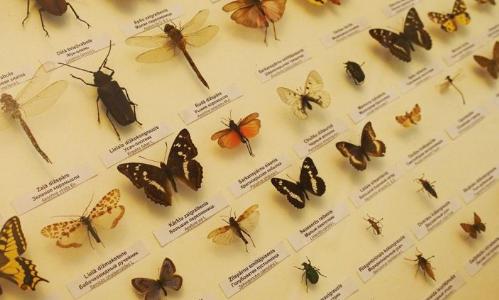
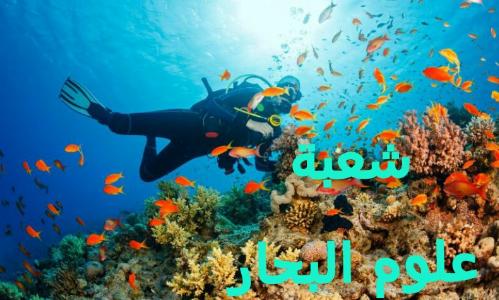
تحول نظام التدريس بالقسم من بعد ذلك إلى نظام الفصل الدراسي المغلق، ثم إلى نظام الفصل المفتوح، أي نظام الوحدات الدراسية المتتابعة، بما يشمله من تسلسل مبني على تعاقب في متطلبات مقررات المواد الدراسية والتي تشمل مقررات أساسية (Core courses) ومقررات دراسية داعمة (Supporting courses)، بحيث ينجز الطالب لتخرجه (136) وحدة دراسية، وسعياً من القسم في التطور ومجاراة للتقدم المتسارع في مجالات العلوم الحيوية المختلفة استحدثت خمسة شعب تخصصية، وهي: علم الأحياء التطوري (Developmental Biology) وعلوم الحشرات (Entomology) وعلوم البيئة  (Environmental Sciences) وعلوم البحار (Marine Sciences) والأحياء الجنائي (Forensic Biosciences).

حقائق حول قسم علم الحيوان

نفتخر بما نقدمه للمجتمع والعالم

21

المنشورات العلمية

34

هيئة التدريس

586

الطلبة

239

الخريجون

البرامج الدراسية

الإجازة التخصصية بكالوريوس - علم الحيوان
تخصص علم الحيوان (شعبة علوم البيئة)

يدرس طالب قسم علم الحيوان مقررات عامة على مستوى الجامعة، علاوة على مقررات على مستوى...

التفاصيل

من يعمل بـقسم علم الحيوان

يوجد بـقسم علم الحيوان أكثر من 34 عضو هيئة تدريس

staff photo

أ.د. طارق البشير محمد الجديدي

طارق الجديدي هو احد اعضاء هيئة التدريس بقسم علم الحيوان بكلية العلوم. يعمل السيد طارق الجديدي بجامعة طرابلس كـأستاذ منذ 2020-02-22وله العديد من المنشورات العلمية في مجال تخصصه

منشورات مختارة

بعض المنشورات التي تم نشرها في قسم علم الحيوان

Comparison of Prevalence and Distribution of Intestinal parasitic infections in primary Schoolchildren in Tripoli and Al-Jfarah- Libya

الإصابة بالطفيليات المعوية تعتبر إحدى المشاكل الصحية الرئيسية المنتشرة بين الأطفال في العالم ((Quihui-cota et al. 2004. هدف الدراسة الحالية تحديد معدل انتشار مختلف أنواع الطفيليات المعوية ومقارنتها بين طلاب مدارس المرحلة الابتدائية الواقعة ضمن نطاق مدينة طرابلس (منطقة حضرية) ومنطقة الجفارة (منطقة ريفية) , ودراسة تأثير الإصابة علي الصحة العامة لأطفال المدارس. أجريت هذه الدراسة في الفترة من سبتمبر 2005 إلى ابريل 2008. حيث تم جمع البيانات (عينة براز واحدة واستبيان مفصل) من مجموع 3331 طفل (1696 ذكر و1635 أنثي) من 34 مدرسة ابتدائية لمنطقتي طرابلس والجفارة تتراوح أعمارهم من 6 إلى 14 سنة. تم فحص كل العينات(3331) بواسطة طريقة التركيز والترسيب باستخدام الإثر والفرمالين (Garcia, 2001)، وطريقة الفحص المباشر استخدمت لفحص 239 عينة براز طازجة من مجموع العينات (3331)، بعد ذلك يتم فحصهم بطريقة التركيز والترسيب. تم تحضير لطخات براز من راسب 209 عينة من مجموع العينات (3331) وصبغها بصبغة زيل-نلسن المعدلة (Garcia, 2001)، وذلك لتحديد أنواع الطفيليات المعوية البوغية من جنس الكريبتوسبوريدوم. كذلك تم فحص عدد 47 عينة دم لأطفال مصابين بطفيليات معوية و 32 عينة من أطفال غير مصابين (عينات السيطرة) لتحضير لطخات من الدم وصبغها لتعين نوع و نسبة كرات الدم البيضاء وتحديد أشكال كرات الدم الحمراء وعمل اختبار صورة كاملة للدم ((C.B.C. أظهرت النتائج أن نسبة انتشار الطفيليات المعوية في منطقة الدراسة بالكامل كانت (25.1 %), كما أظهرت وجود ثلاثة عشر نوع من الطفيليات المعوية, ثمانية أنواع ممرضة (المتكيسة البشرية, المتحولة الحالة للنسج, الجيارديا اللمبلية, الصفر الخراطيني, السرمية الدويدية, الأسطوانية البرازية, الملقوة العفجية و المحرشفة القزمة), وخمسة أنواع غير ممرضة ( المتحولة القولونية, الوئيدة القزمة, المتحولة الهارتماتية, المتحولة اليودية البوتشيلية و شفوية السياط المنيلية). ولم يثبت وجود طفيل الكريبتوسبوريدوم في(209) عينة من مجموع عينات الدراسة (3331). أظهرت النتائج أن هناك اختلافات معنوية بين نسبة انتشار الطفيليات المعوية في المناطق الحضرية 22.5 %, و المناطق الريفية 27.9, و بين الإصابة بنوع واحد من الطفيليات و الإصابة بأكثر من نوع (P < 0.05). بينما سجل طفيلي السرمية الدويدية و الوئيدة القزمة انتشار أعلي نسبيا في المناطق الحضرية عن المناطق الريفية, بينما كان معدل انتشار باقي الأوليات و الديدان المعوية أعلي نسبيا في المناطق الريفية عن المناطق الحضرية.أشارت نتائج الدراسة إلي وجود اختلافات معنوية في نسبة انتشار الطفيليات المعوية بين المناطق والمدارس في كل منطقة, الإصابة ووجود حيوانات في المنزل أو في المزرعة (P < 0.05), و لم تشر الدراسة إلي وجود علاقة بين الإصابة بالطفيليات المعوية وكلا من الجنس, العمر, الجنسية, وزن الجسم, فصلي الخريف والشتاء, عدد أفراد العائلة, نوع المنزل, مصدر ماء الشرب بالمنزل, مصدر التغذية في المدرسة, طريقة التخلص من مياه الصرف الصحي في المنزل و فقر الدم وزيادة عدد كرات الدم الحمضية (P > 0.05).بينت الدراسة أن الأعراض المصاحبة للإصابة (مثل مغص البطن, فقد الشهية للطعام و الإسهال) شائعة الظهور في الأطفال المصابين بأكثر من نوع واحد من الطفيليات المعوية, بينما يقل ظهور هذه الأعراض في الأطفال المصابين بنوع واحد فقط. كما بينت أن تشخيص الطفيليات المعوية في عينة البراز باستخدام طريقة التركيز والترسيب مع استعمال مثبت (SAF) هي الطريقة المثلي لحفظ وتشخيص كل مراحل وأنواع الطفيليات المحتمل وجودها في عينة البراز. Abstract One of the major health problems among children worldwide is the intestinal parasite infestations (Quihui- cota et al. 2004). The aim of the presented research work was to estimate as well as to compare the prevalence of different intestinal parasitic infection among schoolchildren within different areas in Tripoli city (urban area) and Al- Jfarah area (rural area) and their impact on health of schoolchildren. The study was conducted between September 2005 and April 2008. Data (single stool samples and detailed questionnaire) were collected from 3331 primary schoolchildren (1696 males and 1635 females) from 34 schools of the two areas, the age range between 6 to 14 years. All samples were screened for the presence of non-acid fast parasites by sedimentation concentration method (Garcia, 2001), and direct smear method was used for only fresh stool samples (239/ 3331), followed by sedimentation concentration method. Faecal smears of (209/ 3331) samples were screened by the modified Ziehl-Neelsen method (Garcia, 2001) for detection of Cryptosporidium spp. Blood samples of 47 infected and 32 non-infected (control sample) children for determine C.B.C test and count of eosinophil cells before the initiation of therapy by anti-parasite drugs. Results showed the prevalence rate was (25.1 %), thirteen species of intestinal parasite were detected, and eight species were pathogenic, (Blastocystis hominis, Giardia lamblia, Entamoeba histolytica/ Entamoeba dispar, Ascaris lumbricoides, Enterobus vermicularis, Strongyloides stercoralis, Ancylostoma duodenale and Hymenolepis nana), and five species were non-pathogenic (Entamoeba coli, Endolimax nana, Entamoeba hartmanni, Iodamoeba butschlii and Chilomastix mesnili), no Cryptosporidium spp were detected. Prevalence rate in Al-Jfarah 27 % was higher than that in Tripoli 22.5 %. Prevalence rate of E. vermicularis and E. nana was relatively high in Tripoli than in Al-Jfarah, whereas the prevalence of other intestinal protozoa and helminths was relatively high in Al-Jfarah children than in Tripoli children. The study revealed there was statistically significant in infection rate between districts and schools in each area, single and mixed infections, infection rate and found animals in homes or farms of subjects (P< 0.05), whereas there was no significant relationship between infection rate and sex, age groups, nationality, season, family size, type of house, source of water in home, source of school nutrition, type of sewage disposal in home, parasitic infection and anemia and eosinophilia (P> 0.05). The intestinal symptoms were more common among children by more than one type of intestinal parasites, and the sedimentation concentration method and (SAF) fixatives was a quite reliable for diagnosis and preserved all kinds and stages of parasites found in faecal samples.
نجاة المهدي الغنيمي (2010)
Publisher's website

دراسة القيمة الغذائية لأربيان الأجاج Artemia salina L., 1758 وبعض العوامل البيئية بسبخة أبي كماش وبحيرة قبرعون في ليبيا

ينتمي أربيان الأُجاج (Artemia salina) إلى شعبة (شعيبة) القشريات (Crustacea)، طائفة خيشوميات الأرجل (Branchiopoda) رتبة عديمات الدرقة ((Anostraca؛ ويستوطن البحيرات المالحة والسُبخ الساحلية. ويُستخدم كغذاء حي ليرقات العديد من الأسماك والقشريات.ونظراً لقلة الدراسات البيئية حول السُبخ والبحيرات المالحة بليبيا، لذا أجريت هذه الدراسة على سبخة أبي كماش و بحيرة قبرعون خلال فصلي الشتاء والربيع لسنة 2006 وذلك لأجل مقارنة موقعين مختلفين جغرافياً لاحتوائهما على كثافة عالية من الأرتيميا والطحالب. جُمعت حويصلات الأرتيميا من الماء وأطراف سبخة أبي كماش. وأخدت قياسات أقطارها الخارجية والداخلية وخصائص الفقس والتكاثر، كما جُمعت الأفراد البالغة لدراسة قيمتها الغذائية. ونظراً لغياب الحويصلات ببحيرة قبرعون، إقتصرالتجميع على الأفراد البالغة لدراسة قيمتها الغذائية. كما جُمعت عينات من الماء والتربة من كلا الموقعين لدراسة الخصائص الفيزيوكيميائية، والطحالب من حيث الكثافة والوفرة النوعية والكلوروفيل.وأظهرت النتائج تذبذباً في قياس أقطار الحويصلات غير المنزوعة والمنزوعة القشرة، حيث كانت أقطار الحويصلات الغير منزوعة أكبر بقليل في فصل الربيع منها في الشتاء والعكس صحيح لأقطار الحويصلات منزوعة القشرة؛ وكان سمك القشرة حوالي الضعف في فصل الربيع (12.39µ) منه في الشتاء (6.78µ). كانت نسبة الفقس متقاربة خلال 24 ساعة الأولى ثم إختلفت خلال 48 و 72 ساعة من زمن التجربة؛ وكانت نسبة وكفاءة الفقس عموماً أعلى في فصل الربيع منها في الشتاء. تدنت نسبة وضع الأرتيميا للحويصلات (2.26 %) مقابل اليرقات (49.53 %)عند الملوحة المستعملة في هذه التجربة (32 ‰) . إنحفض معدل بقاء حيوانات التجربة مع مرور الزمن، وكان معدل النفوق في الإناث أعلى منه في الذكور. بينت دراسة القيمة الغذائية للأفراد البالغة، أن نسبة البروتين في أجسامها تفوق باقي المكونات، وكانت نسبته في يرقات أبي كماش أعلى منها في الحويصلات والأفراد البالغة في الموقعين. كما قلت مستويات الدهن في الأرتيميا ( الحويصلات والأطوار اليرقية والأفراد البالغة)؛ غير أن هذه المشكلة يمكن تفاديها باستخدام تقنية التخصيب (Enrichment) أتناء استخدام الأرتيميا في الزراعة المائية. وكان تركيز عنصر الحديد أعلى من تركيزعنصرالنحاس، مما يدل على أن الصبغة التنفسية للأرتيميا هي الهيموجلوبين. بينما كان تركيز عنصر الماغنيسيوم في الأرتيميا البالغة أعلى في بحيرة قبرعون منه في سبخة أبي كماش ويرجع ذلك لوسط المعيشة.أوضحت النتائج وجود تبايناً في الخصائص الفيزيوكيميائية بالموقعين مما أثر على بعض السلوكيات البيولوجية مثل التكاثر. وتميزت سبخة أبي كماش بالوفرة العددية لأجناس الهوائم النباتية مقارنةً ببحيرة قبرعون، غير أن التركيب النوعي للأجناس متشابه في الموقعين. كما تميزت تربة كلُ من الموقعين بالقوام الرملي الناعم جداً القريب من درجات الوحل، و تفاوتت المادة العضوية بالموقعين بنسب قليلة متقاربة، وكانت في بحيرة قبرعون أقل منها بسبخة أبي كماش.أهم النقاط التي يمكن إستخلاصها من هذه الدراسة هي: تُعد سبخة أبي كماش الساحلية من السبخ المؤقتة ذات الملوحة العالية حوالي 149 ‰ مقارنة ببحيرة قبرعون بوسط الصحراء ذات الملوحة المنخفضة حوالي 123 ‰.هذه الدراسة لم تؤكد وجود حويصلات الأرتيميا ببحيرة قبرعون على عكس سبخة أبي كماش.وجود اختلافات في قياس أقطار الحويصلات غيرالمنزوعة والمنزوعة القشرة بسبخة أبي كماش حيث كانت أقطار الحويصلات الغير منزوعة أكبر بقليل في فصل الربيع منها في الشتاء والعكس صحيح لأقطار الحويصلات منزوعة القشرة؛ وكان سمك القشرة حوالي الضعف في فصل الربيع (12.39µ) منه في الشتاء (6.78µ)؛ غير أن النسبة المئوية للفقس وكفاءة الفقس كانت أعلى في فصل الربيع منها في الشتاء. بينت التجارب المعملية لفقس الحويصلات أنها أعطت نسبة أعلى للذكور(67 %) منها للإناث (33 %)، ويُعزى ذلك لارتفاع نسبة النفوق في الإناث.تركيز عنصر الحديد في الأرتيميا أعلى من النحاس مما يدل على أن الصبغة التنفسية هي الهيموجلوبين وليس الهيموسيانين.وجود إختلاف في الخصائص الفيزيوكيميائية بالموقعين، مما أثرعلى بعض سلوكيات الأرتيميا كسلوك التكاثر.تميزت سبخة أبي كماش بارتفاع الوفرة العددية لآجناس الهوائم النباتية مقارنة ببحيرة قبرعون، بينما تشابه التركيب النوعي لأجناس الهوائم النباتية بالموقعين.تميزت تربة كل من الموقعين بالقوام الرملي القريب من درجات الوحل، وتفاوتت نسب المادة العضوية حيث كانت أعلى في سبخة أبي كماش (0.5 %) منها ببحيرة قبرعون ( 0.08 %). يُقترح استخدام الأرتيميا في الزراعة المائية نتيجةً لارتفاع محتواها من البروتين والذي تحتاجه يرقات الأسماك والقشريات للنمو. ونظراً لانخفاض مستويات الدهن في الأرتيميا لذا يُلجأ ألى استخدام تقنية التخصيب. Abstract The brine shrimp Artemia salina belongs to phylum (subphylum) crustacea, class branchiopoda; order anostraca. Inhabiting hyper saline areas such as lakes and coastal sebkhas. The brine shrimp is used as live food for fish and crustacean larval stages. Due to scarcity of ecological studies concerning salt lakes and salt marshes in Libya, this study was carried on Abu-Kammash sebkha and Gabr-Oun Lake during winter and spring seasons of 2006 in order to compare between two different geographical areas. That have high density of Artemia and phytoplankton. Cysts of Artemia were collected from the water and the edges of Abu-Kammash, and the external and internal diameters of cysts were take, the cysts hatching have been also conducted. Also , mature individuals have been collected from water to study their nutrional value. Due to the absence of cysts in Gabr-Oun lake, only adults have been collected to study their nutrional value. Specimens of water and sediments have been also collected from both locations in order to study their physiochemical properties, micro algal species abundance and diversity and chlorophyll content were also studied.The results show fluctuations in the measurements of the diameters of encapsulated and capsulated cysts. The diameters of encapsulated cysts were higher in spring than in winter and vice versa for capsulated cysts. The thickness of alveolar layer was double in spring (12.39%) than in winter (6.76%) . The percentage of the hatching was nearly the same during the first 24 hours, but different during the 48 and 72 hours of the experimental time. The percentage and efficiency of hatching were higher in spring than in winter. The laying of Artemia to capsules was low (2.26%) compare to their laying of larvae (49.53%) in the experimental salinity (32%). The mortality rate of Artemia females was higher than the males. The study of nutrional value for Artemia individuals indicates that the percentage of protein was higher than any of the other contents, and the protein percentage of Abu-Kammash larvae was higher than the cysts and mature individuals of Artemia in both studied locations. The lipid content of Artemia( cysts, larvae, adults) was low. This problem can be avoided by using enrichment when Artemia used in aquaculture. The concentration of iron was higher than cupper which indication the respiratory pigment of Artemia in the hemoglobin; where as the concentration of magnesium in adult Artemia was higher in Gabr-Oun lake than Abu- Kammash at this as a result living media. The results showed fluctuations in the physiochemical properties of the two study areas; which affect the biological behavior of Artemia such as reproduction. The density of phytoplankton was higher in Abu-Kammash compared to Gabr-Oun, however, the diversity was nearly the same. The sediment texture of both locations was very fin (mud) and the organic matter was higher in Abu-Kammash than in Gabr-Oun.most report at points that be taken from this study are: Abu-Kammash is a temporary costal salt marsh with high salinity ≈ 149 ‰ compared to Gabr-oun lake in the southern desert with distinct lower salinity ≈123 ‰. this study don’t confirmed the presence of cysts in Gabr-Oun lake, which is opposite to Abu-Kammash sebkha . There were differences in measurement of diameters of encapsulated and capsulated cysts, the diameters of encapsulated cysts were higher in spring than in winter; and vice versa to the capsulated cysts; the thickness of alveolar layer was duple in spring (12.39%) than winter (6.76%) . While percentage of hatching and efficiency of hatching were higher in spring than winter. Laboratory hatching experiments of cysts rearing gave higher percentage of males (67%) than females(33%); which may be due to low survival of females. The percentage of iron was higher than cupper in Artemia which indicates that the respiratory pigment was hemoglobin rather than haemocyanin .The results showed that the physiochemical factors were different in both areas, which affect the behavior of Artemia such as reproduction.Abu-Kammash sebkha characterized higher density and low diversity of micro algae compared with Gabr-Oun lake.The sediment texture of both areas was very soft to mud, and organic content was slightly different in both areas; however it was higher in Abu-Kammash sebkha (0.5%) than Gabr -Oun lake (0.08%). The use of Artemia in aquaculture it’s preferable due to it׳s highprotein content needed for fish larvae and crustacean growth. However, due to low level of fats in Artemia it׳s preferable to use additive enrichment technique during aquaculture.
ماجدة صالح حسين الوليد (2009)
Publisher's website

الكشف عن طفرة البحر المتوسطلين G6PD في المرضى الليبين بمركز طرابلس الطبي ومستشفي الجلاء بمدينة طرابلس

يهدف هذا البحث إلى إبراز مدى انتشار طفرة البحر المتوسط Med (563C→T) في جين G6PD، والكشف عن أي نوع آخر من الطفرات لدى المصابين بمرض نقص إنزيمG6PD بمركز طرابلس الطبي ومستشفى الجلاء بطرابلس. يعتبر مرض نقص إنزيم جلوكوز-6-فوسفات ديهيدروجينيز (G6PD deficiency) المعروف بالإسم الشائع أنيميا الفول (Favism) من الأمراض المنتشرة في كافة دول العالم، وحوض البحر المتوسط، ومن بينها ليبيا. وقد تم تشخيص أكثر من 176 طفرة وأكثر من 442 نوع من أنماط الإنزيم (Variants) على مستوى العالم باستعمال التقنيات الحيوية، ومنها التقنيات الجزيئية Molecular analytical methods، والتي تحدد الطفرات الوراثية التي تحدث في الجينات المسئولة عن التصنيع الحيوي للأنماط المختلفة من الإنزيم .إن مرض نقص إنزيمG6PD هو مرض وراثي متنحي مرتبط بالكروموسوم الجنسي (X) X-linked recessive، وهذا ما يفسر إصابة الذكور أكثر من الإناث بهذا المرض، مؤدياً إلى حدوث خلل (طفرة) في جين G6PD مسبباً نقصاً واعتلالاً في تصنيع إنزيمG6PD، مما يؤدي إلى حدوث تكسر وانحلال لكريات الدم الحمراء، وبالتالي حدوث فقر الدم الذي قد يكون في بعض الأحيان شديداً ومهدداً للحياة.هذه الدراسة شملت (39) طفلاً مسجلين بمركز طرابلس الطبي ومستشفى الجلاء بطرابلس على أنهم مصابون بمرض نقص إنزيمG6PD، وتتراوح أعمارهم من (1 – 12) سنة. وقد تم سحب عينات دم وريدي (10) مل من كل طفل مصاب، وجُمعت في أنابيب (EDTA-K3)، ونقلت العينات إلى تونس ومنها إلى فرنسا بواسطة مختبر المتوسطية للخدمات الطبية، والذي يعد الوكيل الحصري لشركة بيومنيس (Biomnis) الفرنسية الخاص بإجراء التحاليل خارج ليبيا، واستخدمت عينات الدم لإجراء التحاليل البيوكيميائية، ولقياس نشاط إنزيمG6PD، بالإضافة للجانب الجزيئي للتحري عن الطفرات الوراثية للقواعد النيتروجينية التي تحدث في الجينات المسئولة عن التصنيع الحيوي لإنزيمG6PD باستعمال التقنيات الجزيئية Molecular Analysis، التي تعتمد على استخلاص الحامض النووي منقوص الأكسجين (Genomic DNA)، الذي استخلص من الحالات المرضية، مع متابعة التحليل الجيني للطفرات الوراثية، حيث أخضعت العينات إلى تفاعل التضاعف التسلسلي Polymerase Chain Reaction (PCR) للحامض النووي، بعدها تم استعمال طريقة الهضم بالإنزيمات المعتمدة (RFLP) للكشف عن الطفرات الوراثية التي تحدث في الجينات المسئولة عن تصنيع الإنزيم الحيوي التي سببت النقص الحاد لنشاط إنزيم G6PD. وقد أظهرت نتائج هذه الدراسة أن جميع الأطفال المشمولين بالدراسة والمصابين بالمرض (38 ذكور، وأنثى واحدة) كانت نسبة (69.2%) منهم قد أصيبوا بفقر الدم الانحلالي بمرحلة الطفولة المبكرة (< 40 شهراً)، وكان (100%) ممن أصيبوا بسبب تناول الفول بالغذاء، وخاصةً الفول الأخضر بنسبة (593.7%)، أو الفول المجفف بنسبة (6.25%). كما أن ما يقارب من (497.4%) من حالات نقص أنزيم G6PD قد أصيبوا باليرقان الفسيولوجي ما بعد الولادة الذي استمر من أسبوع إلى أسبوعين.كما أظهرت الدراسة أيضاً أنه تم تشخيص نوعين فقط من الطفرات لدى الحالات المصابة وهما: طفرة البحر المتوسط G6PD Med (563C→T) وُجدت لدى (30) حالة مرضية بنسبة (76.92%)، بينما تم تشخيص (5) حالات فقط من النمط الأفريقي G6PD A- (202G→A) بنسبة (12.82%)، وبقيت (4) حالات أخرى (10.26%) لم يتم التعرف على النمط الإنزيمي لها ويُستنتج من الدراسة أن طفرة البحر المتوسط (G6PD Med (563C→T هي الأكثر شيوعاً وانتشاراً بين المرضى المصابين بنقص أنزيمG6PD للحالات المترددة على مركز طرابلس الطبي ومستشفى الجلاء بطرابلس. وقد كشفت المقارنات لقيمة أنزيمG6PD والعد الكامل لخلايا الدم (CBC) للأطفال المصابين عن حدوث نقص في إنزيمG6PD بشكل واضح بكل الحالات، ونقص نسبي في نتائج (CBC) في جميع القراءات ما عدا (MCHC)، بالإضافة إلى عدم وجود اختلاف واضح بمعدل نقص نشاط إنزيمG6PD ما بين المصابين بطفرة البحر المتوسط (G6PD Med) وطفرة النمط الأفريقي (G6PD A-Matera). إن هذا العمل يُعتبر خطوة مهمة تُمهد لمزيد من الدراسات الجزيئية لمرض نقص أنزيمG6PD مع التركيز على أصل هذه المتغيرات. وتجدر الإشارة هنا إلى أن قطاع الصحة بليبيا يقع على عاتقه العبء الأكبر من حيث العمل الجاد من أجل تفعيل برامج لفحص المواليد الجدد لمعرفة إصابتهم بهذا المرض من عدمه، لأن المعرفة المبكرة بهذا المرض تقلل من ظهور الأعراض المزمنة في المستقبل، مع وضع برامج المتابعة السريرية للأطفال المصابين، والعمل على تقديم برامج التوعية بهذا المرض وخاصة بين الأمهات، لأن مثل هذه البرامج تسهم في الإرشاد الصحي، ونشر الوعي الصحي. وليبيا بحاجة ماسة لمثل هذه الدراسات والبرامج لتحقيق التقدم المنشود في الخدمات الصّحية والطّبية، وخلق أجيال تتمتع بصحة جيدة. Abstract This research aims to highlight the extent of the spread of the Mediterranean mutation MED (563C"T) in G6PD Gene, and the detection of any type of mutations in infected persons with G6PD enzyme deficiency in Tripoli Medical Center and ElJalaa Hospital in Tripol Enzyme deficiency disease glucose -6- phosphate dehydrogenase (G6PD deficiency) is considered , commonly known by name (Favism), ase widespread diseases in all countries of the world and the Mediterranean including Libya, and had been diagnosed more than 176 mutations and more than 442 type of enzyme patterns (Variants) in all the world by using of biotechnology including molecular analytical methods , and to determine the genetic mutations that occur in the genes responsible for bio-producing of different patterns of enzymes.The G6PD enzyme deficiency disease is an autosomal recessive disease linked to sexual chromosome ,X-linked recessive, and this explains why males are infected more than females with this disease, due to the defect (mutation) in a G6PD gene casusing deficiency and illness in producing G6PD enzyme which leads to a break and the dissolution of red blood cells and thus the occurrence of anemia, which may be severe and sometimes life-threatening This research included )39( children registered in Tripoli Medical Center and ElJalaa Hospital in Tripoli as infected with G6PD enzyme deficiency disease and their ages were between (1-12 years), and (10 ml) venous blood samples had been withdrawn from each infected child, and collected in (EDTA- K3) tubes, and transferred to Tunisia then to Franc by Mediterranean Lab. For Medical Services, which is the sole agent of Biomnis company (French) specialised in conducting analyies outside Libya, the blood samples were used to conduct Biochemical analyies and measure the activity of G6PD enzyme, besides the molecular aspect of investigating the genetic mutations of the nitrogenous bases that occur in the genes responsible for bio-producing of G6PD enzyme, by using Molecular analysis which relies on extracting DNA diminished oxygen (Genomic DNA) which were extracted from infected cases, with follow-up genetic mutations genetic analysis, where the samples were subjected to serial replication Polymerase Chain Reaction (PCR) nucleic acid, then was used method of digestion enzymes approved (RFLP) for the detection of genetic mutations that occur in charge of gene bio-enzyme manufacturing that have caused an acute shortage of the activity of the enzyme G6PD. The results of this research have shown that about (69.2%) of the surveyed and infected children (38 males, one female) had suffered hemolytic anemia in the early childhood (≤ 40 months) and (100%) due to eating (Beans), green Beans (93.75%) or dried Beans (6.25%). About (97.44%) of the cases suffered Physiological jaundice after birth, which lasted from one to two weeks.The research also revealed that there were only two diagnosed types of mutations in infected cases, and they are: Mediterranean mutation G6PD MED (563C"T) found with (30) cases, with average (76.92%) diagnosed only (5) cases of the African type (202G"A) G6PD A- with average (12.82%), and the other remaining (4) cases (10.26%) did not recognize their enzymatic type, To conclude this part, the Mediterranean mutation MED (563C"T) is the most common and widespread among patients of G6PD enzyme deficiency for the cases in Tripoli Medical Center and ElJalaa Hospital in Tripoli. Comparisons of the G6PD values have revealed the full value of the G6PD enzyme and counting blood cells (CBC) of effected children, with occurrence of a shortage of the G6PD enzyme clearly in all cases, and the relative lack of results of (CBC) in all readings except (MCHC), In addition to the lack of a clear difference in the rate of deficiency G6PD enzyme activity among the patients with Mediterranean mutation (G6PD MED) and the African type mutation (G6PD A-Matera).This work is an important step and needs further molecular researches for the Disease of G6PD enzyme deficiency with focusing on the origin of these variables. It should be noted here that the health sector in Libya carries the duty of the serious work in order to activate examination programs for newborns to find out if they suffer the disease or not, because early diagnosis of this disease, reduce the appearance of chronic symptoms in the future, with a clinical follow-up programs for children, in addition to an awareness programs on this disease, especially among mothers. Such programs contribute to the health guidance, and counseling to spread the health awareness. Libya is in need for such research to achieve the desired progress in health and medical services, and to creat thealthy generations.
أسامة أحمد الأحمر (2015)
Publisher's website