كلية الطب البشري

المزيد ...

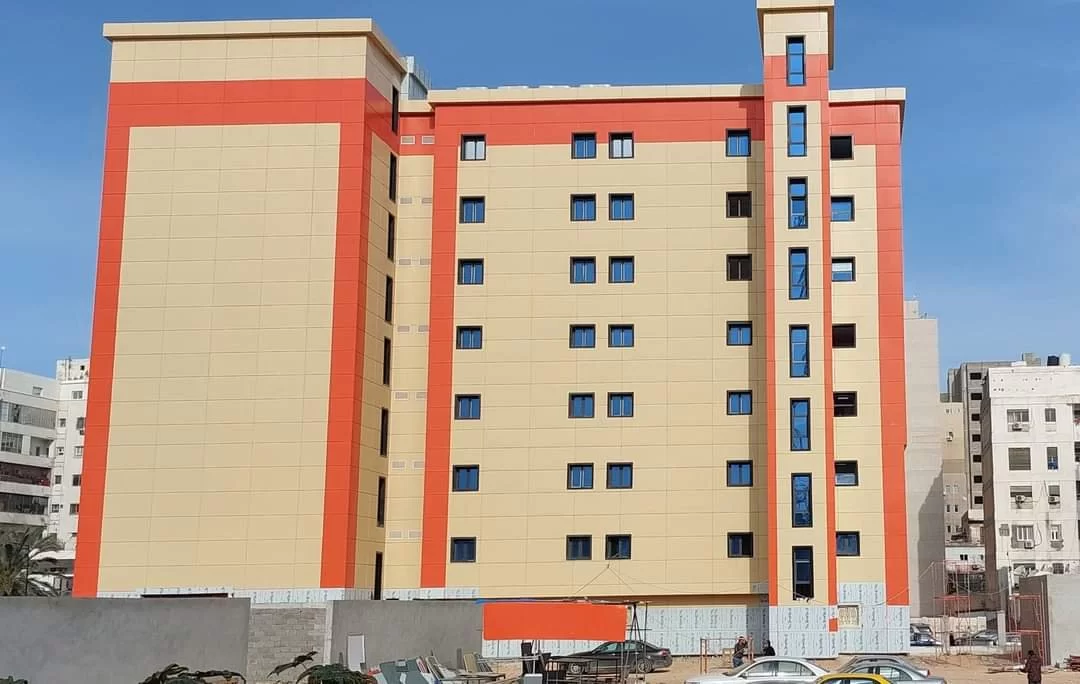
حول كلية الطب البشري

لقد تم تأسيس كلية الطب البشري في سنة 1973م، بمدينة طرابلس لتقوم بدورها المنوط بها والمتمثل في تخريج الكوادر الطبية المؤهلة، وفي سنة 1980م تم تخريج أول دفعة منها.

تعد كلية الطب البشري من أكبر كليات الجامعة وصرحاً من صروح المعرفة، بحيث أسهمت هذه الكلية خلال العقود الأربعة الماضية في إعداد وتخريج أطباء مؤهلين كان لهم الفضل بعد الله تعالى في إنجاح العمل الطبي من خلال المستشفيات المنتشرة في ربوع الوطن الحبيب لتقديم أفضل الخدمات الصحية، تضم كلية الطب البشري حالياً أكثر من 493 عضو هيئة تدريس جُلهم من العناصر الوطنية الذين كانوا من أوائل الدفعات في هذه الكلية والذين ساهموا في تقديم الخدمات الصحية اللازمة في المستشفيات والعيادات والمستوصفات.

قد تم إيفاد العديد من خريجي هذه الكلية لاستكمال دراستهم في الخارج والذين أثبتوا جدارتهم في التحصيل العلمي والسريري بشهادة العديد من الجامعات العالمية، هذا وفي الوقت الذي تسعي فيه الكلية لتفعيل برنامج الدراسات العليا في مختلف التخصصات فإنها تعمل علي تطوير مفردات مناهجها وطرق التدريس المواكبة لمتطلبات الجودة العالمية.

حقائق حول كلية الطب البشري

نفتخر بما نقدمه للمجتمع والعالم

80

المنشورات العلمية

238

هيئة التدريس

7385

الطلبة

0

الخريجون

البرامج الدراسية

درجة ماجستير
تخصص طب الأسرة والمجتمع

قريباً...

التفاصيل
المقرر الدراسي
تخصص طب الأطفالPD480

A twelve week rotation. Five weeks at Tripoli children hospital, rotating in the inpatient and outpatient departments.One week at the pediatric department –Tajoura hospital. Five weeks at Tripoli medical center, one week at university.Emphasis is on acquiring skills, and medical knowledge to be able...

التفاصيل

من يعمل بـكلية الطب البشري

يوجد بـكلية الطب البشري أكثر من 238 عضو هيئة تدريس

staff photo

أ.د. عبدالحميد أحمد إسماعيل الطبولي

منشورات مختارة

بعض المنشورات التي تم نشرها في كلية الطب البشري

Mode of Cell Death in Mouse Brain Following Early Exposure to Low-Dose Trichloroethane: Apoptosis or Necrosis

The goal of this study was to investigate, in-vivo, the predominant mechanism of cell death, apoptosis versus necrosis, in the mature mouse brain exposed early to a ubiquitous environmental toxicant trichloroethane (TCE). A subset of male albino mice was injected intraperitoneally twice weekly for three weeks with TCE (100 and 400µg/kg). All animals were followed up for signs of toxicity and mortality. Changes in neural tissues were histpathologically evaluated. Biomarkers of brain cell number were also studied. The results showed that TCE insult triggered significant alterations in the microstructure of the brain tissues compared to controls. Mitotic figures and apoptotic changes such as chromatin condensation and nuclear fragments were also identified. Cell death analysis demonstrates that cell apoptosis with necrosis was evident in the TCE-treated groups. The percent of necrosis was quantified as 20.09 ± 2.57% at 100µg/kg TCE, 30.57 ± 5.18% at 400µg/kg TCE, and 12.67 ± 1.25% in controls. However, the percent of apoptosis was quantified as 29.18 ± 1.51% at 100µg/kg TCE, 20.14 ± 2.12% at 400µg/kg TCE, and 8 ± 1.25% in controls. There was also a significant reduction in the brain DNA content in the TCE-treated groups. Agarose gel electrophoresis is also provided further biochemical evidence of apoptosis by showing internucleosomal DNA fragmentation. These results correlated with neurobehavioral impairment. These findings indicate that TCE induces degeneration and apoptotic cell death in mouse brain, suggesting a crucial role played by apoptosis in TCE neurotoxicity.
Mohamed A. Al-Griw, Abdul Hakim Elnfati, Naser M. Salama, Massaud S. Maamar, Soad A. Treesh, Taher Shaibi(10-2015)
Publisher's website

Takayasu's arteritis in a Libyan female

Takayasu’s arteritis (TA) is a large‑vessel vasculitis that involves the aorta and its major branches. Renal arteries are frequently involved, usually with renovascular hypertension. The prevalence of TA in Arabs is low. A study of the epidemiological and clinical features of TA in Arabs included 197 identified patients between 1995 and 2012 and none of them was Libyan. We report a 61‑year‑old Libyan woman in whom TA manifested with hypokalemia and arterial hypertension. Previous ultrasound showed renal size asymmetry raised the possibility of renal artery stenosis. The diagnosis of TA was confirmed by magnetic resonance angiography, which showed a thickened abdominal aortic wall, occlusions of the left renal artery and left common iliac artery, stenosis of the right common iliac artery, and stenosis of both subclavian arteries. TA is rarely encountered in Arabs. However, the disease must be considered in patients who present with renovascular hypertension, in a context of other autoimmune disorders. arabic 6 English 33
Hawa Juma El-Shareif(1-2019)
Publisher's website

Seroprevalence of Pertussis in School-entry Age Children in Libya, A Cross-sectional Study

Objective: In Libya, no pertussis booster doses are administered to children after 18 months of age. In light of evidence of waning of vaccine-induced immunity to pertussis, this study aimed to evaluate the waning of immunity in vaccinated school-entry age children, as measured by susceptibility to infection at population level. For this purpose, IgG and IgA levels were measured as markers of recent (infection in the last 6 months) and non-recent infections (infection in the last 12 months). Material and Methods: This was a cross sectional study undertaken in Tripoli, in February 2015. Children of school-entry age (> 5 to ≤ 7 years) were recruited on convenience basis at vaccination centers. Sera were tested for antibodies to pertussis. Results: Samples from791 children (421 males and 370 females, mean age 6.50 were tested). All of the participants had received 4 doses of Whole cell pertussis containing vaccine in the first 2 years of life. The prevalence of recent and non-recent pertussis infection were 4.8% and 2.5%, respectively. The proportion of children with undetectable level of IgG was 76.1%. Conclusion: The findings of this study showed significant circulation of Bordetella pertussis among vaccinated children by school-entry age. The circulation of B. pertussis in this population may be an indirect sign of waned immunity, which is simply corroborated by the absence of detectable antibodies in 76.1% of the children. arabic 14 English 76
Suleiman Abusrewil, Abdulla Bashein(1-2019)
Publisher's website