كلية الطب البشري

المزيد ...

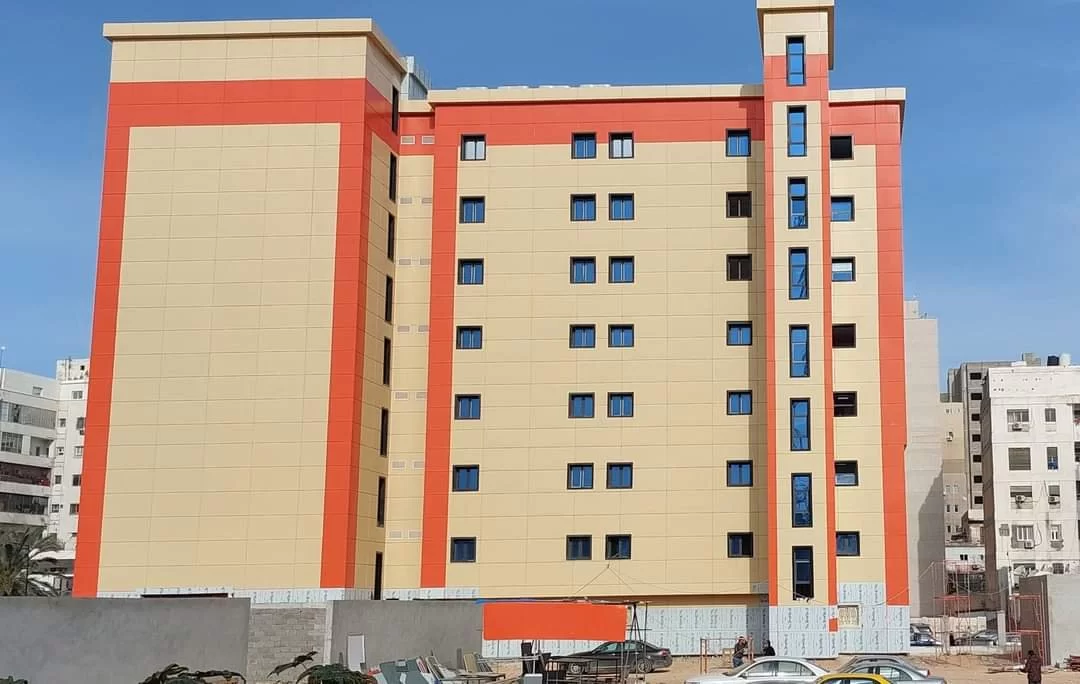
حول كلية الطب البشري

لقد تم تأسيس كلية الطب البشري في سنة 1973م، بمدينة طرابلس لتقوم بدورها المنوط بها والمتمثل في تخريج الكوادر الطبية المؤهلة، وفي سنة 1980م تم تخريج أول دفعة منها.

تعد كلية الطب البشري من أكبر كليات الجامعة وصرحاً من صروح المعرفة، بحيث أسهمت هذه الكلية خلال العقود الأربعة الماضية في إعداد وتخريج أطباء مؤهلين كان لهم الفضل بعد الله تعالى في إنجاح العمل الطبي من خلال المستشفيات المنتشرة في ربوع الوطن الحبيب لتقديم أفضل الخدمات الصحية، تضم كلية الطب البشري حالياً أكثر من 493 عضو هيئة تدريس جُلهم من العناصر الوطنية الذين كانوا من أوائل الدفعات في هذه الكلية والذين ساهموا في تقديم الخدمات الصحية اللازمة في المستشفيات والعيادات والمستوصفات.

قد تم إيفاد العديد من خريجي هذه الكلية لاستكمال دراستهم في الخارج والذين أثبتوا جدارتهم في التحصيل العلمي والسريري بشهادة العديد من الجامعات العالمية، هذا وفي الوقت الذي تسعي فيه الكلية لتفعيل برنامج الدراسات العليا في مختلف التخصصات فإنها تعمل علي تطوير مفردات مناهجها وطرق التدريس المواكبة لمتطلبات الجودة العالمية.

حقائق حول كلية الطب البشري

نفتخر بما نقدمه للمجتمع والعالم

80

المنشورات العلمية

238

هيئة التدريس

7385

الطلبة

0

الخريجون

البرامج الدراسية

درجة ماجستير
تخصص طب الأسرة والمجتمع

قريباً...

التفاصيل
المقرر الدراسي
تخصص طب الأطفالPD480

A twelve week rotation. Five weeks at Tripoli children hospital, rotating in the inpatient and outpatient departments.One week at the pediatric department –Tajoura hospital. Five weeks at Tripoli medical center, one week at university.Emphasis is on acquiring skills, and medical knowledge to be able...

التفاصيل

من يعمل بـكلية الطب البشري

يوجد بـكلية الطب البشري أكثر من 238 عضو هيئة تدريس

staff photo

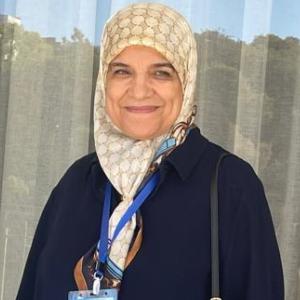
د. رحاب سعيد العربي الجربي

د.رحاب سعيد الجربي هي أحد أعضاء هيئة التدريس بقسم طب الأسرة والمجتمع بكلية الطب البشري منذ 2014. تعمل الدكتورة رحاب الجربي بجامعة طرابلس بدرجة محاضر حاليا ولها العديد من المنشورات العلمية في مجال تخصصها

منشورات مختارة

بعض المنشورات التي تم نشرها في كلية الطب البشري

Controversies in the Acute Management of High Spinal Cord Injuries, an Update and Opinion

Abstract The incidence of spinal cord injuries is the lowest of all major trauma, with devastating impact on the individual affected. The immediate treatment, though it remains mainly supportive, in many situations will determine the outcome and the cost of health care. Standards of care are unfortunately still lacking, this is mainly due to the existing controversies and lack of effective treatment of the injured cord. The author discusses here some of the controversial points based on literature review and personal observation. arabic 14 English 75
Nabil A. Alageli(10-2021)
Publisher's website

Association of venous thromboembolism and myocardial infarction with Factor V Leiden and Factor II gene mutations among Libyan patients

Factor V Leiden G1691A (FVL) and Factor II prothrombin G20210A (PGM) mutations are the leading causes of thrombophilia. In this study, we have investigated the prevalence of the FVL G1691A and PGM G20210A single nucleotide polymorphisms (SNPs) among Libyan deep vein thrombosis (DVT) and myocardial infarction (MI) patients. SNP genotyping was performed using high-resolution melt analysis (HRM) and DNA sequencing. Biochemical parameters conducted on 112 males and 93 females showed no significant difference in means between the control group and the deep vein thrombosis and myocardial infarction groups. For Factor V Leiden, 40 samples were genotyped. Of the 40 samples, 6 (15.0%) of them were heterozygous and no one was homozygous. As for Factor II SNP, 59 samples were genotyped and only 2 (3.3%) were heterozygous. All the heterozygous samples showed 100% concordance between the HRM-PCR and DNA sequence analysis. Our study showed, for the first time, that both the FVL and PGM mutations are present among Libyan DVT and MI patients and that the FVL mutation is significantly associated with DVT but not with MI. However, our results do not support the association of PGM G20210A mutation with DVT or MI. arabic 18 English 117
Abdulghani Msalati, Abdulla Bashein, Murad Ghrew, Khaled Sedaa, Abushawashi Ali, Ahmed Zaid, (1-2021)
Publisher's website

Inhibition of ionotropic GluR signaling preserves oligodendrocyte lineage and myelination in an ex vivo rat model of white matter ischemic injury

Preterm infants have a high risk of neonatal white matter injury (WMI). WMI leads to reduced myelination, inflammation, and clinical neurodevelopmental deficits for which there are no effective treatments. Ionotropic glutamate receptor (iGluR) induced excitotoxicity contributes to oligodendrocyte (OL) lineage cell loss and demyelination in brain models of neonatal and adult WMI. Here, we hypothesized that simulated ischemia (oxygen‑glucose deprivation) damages white matter via activation of iGluR signaling, and that iGluR inhibition shortly after WMI could mitigate OL loss, enhance myelination, and suppress inflammation in an ex vivo cerebellar slice model of developing WMI. Inhibition of iGluR signaling by a combined block of AMPA and NMDA receptors, shortly after simulated ischemia, restored myelination, reduced apoptotic OLs, and enhanced OL precursor cell proliferation and maturation as well as upregulated expression of transcription factors regulating OL development and remyelination. Our findings demonstrate that iGluR inhibition post‑injury alleviates OL lineage cell loss and inflammation and promotes myelination upon developing WMI. The findings may help to develop therapeutic interventions for the WMI treatment.
Mohamed A. Al-Griw, Michael G. Salter, Ian C. Wood(1-2021)
Publisher's website