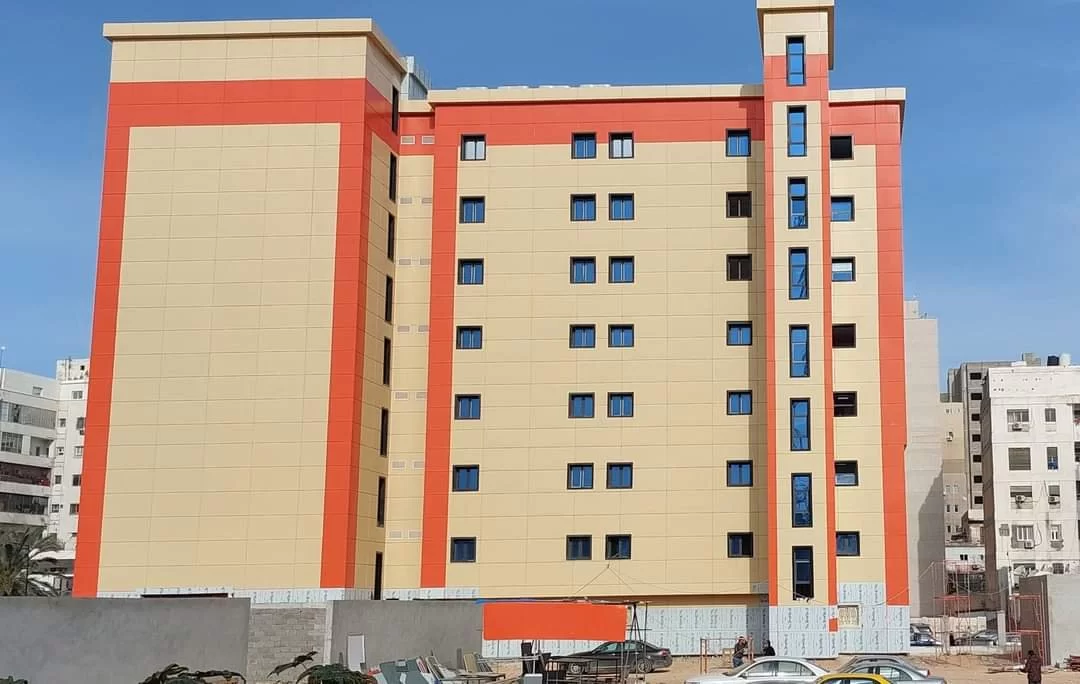
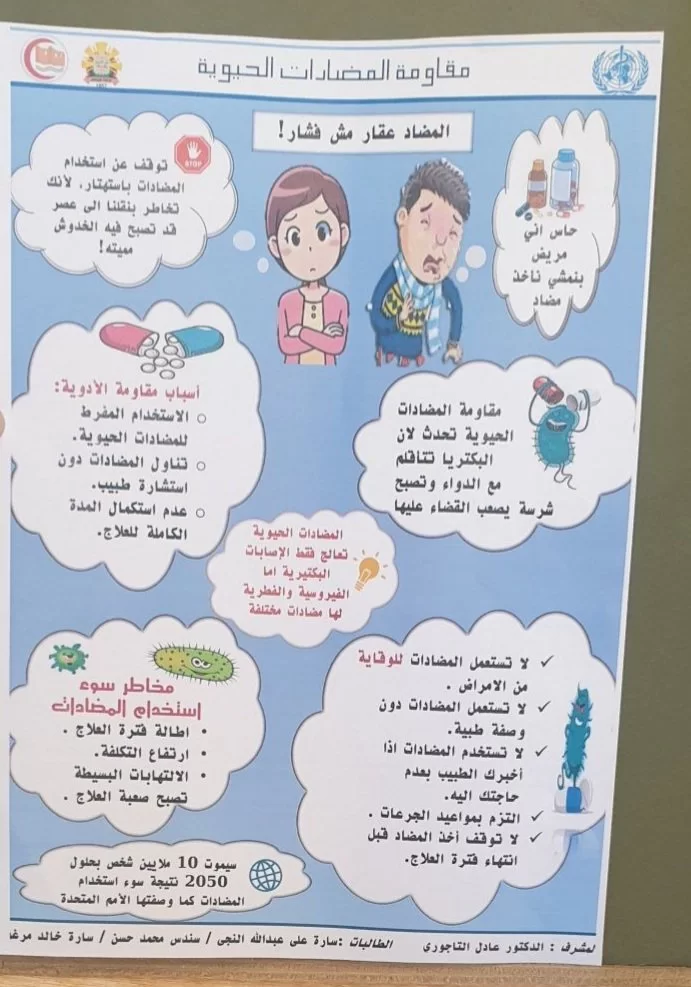
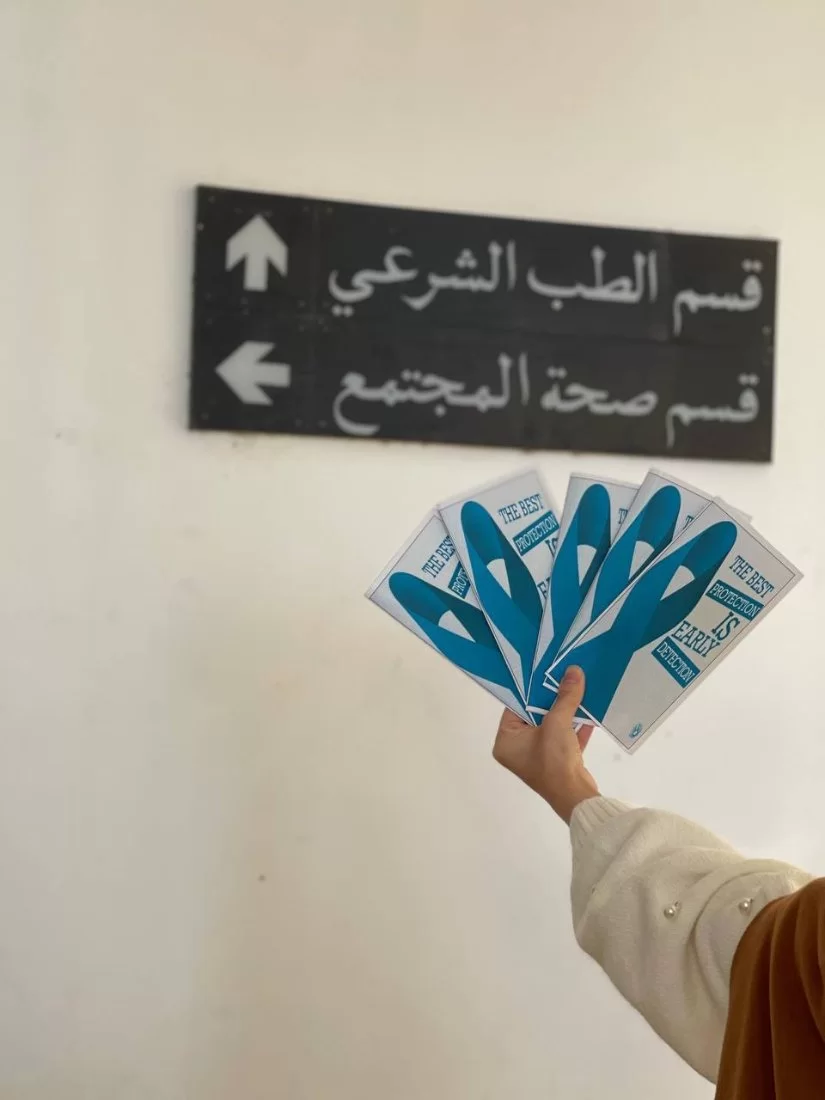
كلية الطب البشري

المزيد ...

حول كلية الطب البشري

لقد تم تأسيس كلية الطب البشري في سنة 1973م، بمدينة طرابلس لتقوم بدورها المنوط بها والمتمثل في تخريج الكوادر الطبية المؤهلة، وفي سنة 1980م تم تخريج أول دفعة منها.

تعد كلية الطب البشري من أكبر كليات الجامعة وصرحاً من صروح المعرفة، بحيث أسهمت هذه الكلية خلال العقود الأربعة الماضية في إعداد وتخريج أطباء مؤهلين كان لهم الفضل بعد الله تعالى في إنجاح العمل الطبي من خلال المستشفيات المنتشرة في ربوع الوطن الحبيب لتقديم أفضل الخدمات الصحية، تضم كلية الطب البشري حالياً أكثر من 493 عضو هيئة تدريس جُلهم من العناصر الوطنية الذين كانوا من أوائل الدفعات في هذه الكلية والذين ساهموا في تقديم الخدمات الصحية اللازمة في المستشفيات والعيادات والمستوصفات.

قد تم إيفاد العديد من خريجي هذه الكلية لاستكمال دراستهم في الخارج والذين أثبتوا جدارتهم في التحصيل العلمي والسريري بشهادة العديد من الجامعات العالمية، هذا وفي الوقت الذي تسعي فيه الكلية لتفعيل برنامج الدراسات العليا في مختلف التخصصات فإنها تعمل علي تطوير مفردات مناهجها وطرق التدريس المواكبة لمتطلبات الجودة العالمية.

حقائق حول كلية الطب البشري

نفتخر بما نقدمه للمجتمع والعالم

80

المنشورات العلمية

238

هيئة التدريس

7385

الطلبة

0

الخريجون

البرامج الدراسية

درجة ماجستير
تخصص طب الأسرة والمجتمع

قريباً...

التفاصيل
المقرر الدراسي
تخصص طب الأطفالPD480

A twelve week rotation. Five weeks at Tripoli children hospital, rotating in the inpatient and outpatient departments.One week at the pediatric department –Tajoura hospital. Five weeks at Tripoli medical center, one week at university.Emphasis is on acquiring skills, and medical knowledge to be able...

التفاصيل
من يعمل بـكلية الطب البشري

يوجد بـكلية الطب البشري أكثر من 238 عضو هيئة تدريس

staff photo

أ.د. عبدالله مسعود بشين بشين

عبدالله بشين هو احد اعضاء هيئة التدريس بقسم الكيمياء الحيوية بكلية الطب البشري. يعمل السيد عبدالله بشين بجامعة طرابلس كـأستاذ منذ 2007-04-15 وله العديد من المنشورات العلمية في مجال تخصصه

منشورات مختارة

بعض المنشورات التي تم نشرها في كلية الطب البشري

Prevalence of H63D and C282Y mutations in hereditary hemochromatosis (HFE) gene in Tripoli region of Libya

Background and Aims: Hereditary hemochromatosis (HH) is an autosomal recessive disorder, characterized by increased intestinal absorption of iron. Excessive amount of iron accumulates in the liver, pancreas, and heart, etc., and eventually leading to organ failure due to iron toxicity and death if untreated. The most common causes of HH are the C282Y and H63D mutations in HFE gene. This study aimed to identify the prevalence of H63D and C282Y alleles among the Libyan population in Tripoli region and to compare the results with other published data. Materials and Methods: This study included 300 randomly selected unrelated Libyan male blood donors, aged between 18 and 50 years. In‑house hydrolysis probe real‑time polymerase chain reaction and high‑resolution melting analysis protocols were developed and employed as screening tools for H63D and C282Y genotyping, respectively, and direct DNA sequencing was used to confirm the results. Results: Seven subjects (2.33%) were detected as homozygous H63D mutation and 72 (24%) were detected as heterozygous, and only one subject was detected as a heterozygous C282Y mutant (0.33%) and no homozygous C282Y mutation was detected. Conclusion: In Libyans residing in Tripoli region, the allele frequency of C282Y was very rare and allele frequency of H63D was common arabic 17 English 89
Laila Mohamed Elghawi, Abdulla Bashein(7-2021)
Publisher's website

Critical Success Factors of ISO/IEC 17025 Implementation within Arabic Countries: A Case Study of Libyan Research Centres and Laboratories - LRCL

Aim– This paper aims to review the existing literature relevant to the subject of ISO/IEC 17025 within Arabic countries and Libyan Research Centres Laboratories (LRCL), especially to the Critical Success Factors (CSFs) that effect the implementation of ISO/IEC 17025 standards. Therefore, a review of the literature revealed a major gap in studies in this area of quality standards for testing and calibration laboratories. Methodology– The aspects listed were based on a review of the literature. This paper summaries the key findings result within LRCL using SWOT and Template analysis to analyse the data collected from existing literature and LRCL data. Findings –The findings revealed that despite some organisations have faced challenges undertaking ISO/IEC 17025 implementations, many others have enjoyed the benefits that the systems have brought to the organisations. Outcomes of the research are important for Arabic and Libyan organisations implementing ISO/IEC 17025 systems and for consulting companies assisting with ISO/IEC 17025 implementation. The distribution of the current study results will lead to knowledge transfer and help organisations, among Arabic and developing countries including Libya, in the process of achieving standardisation. Originality, Value – The novelty of this research paper stems from the realisation of critical factors determining a successful implementation of ISO/IEC 17025 within research centers and Laboratories in Arabic countries and LRCL. The originality and value of this research paper is to fill the gap in knowledge in this area, which is explicit to the Arabic countries and Libya in particular. In addition, it contributes to the literature and professional practice by offering new insights into the CSFs for the implementation of ISO/IEC 17025 in Arabic countries and LRCL.
Anwar Salih Ali Al-mijrab, Maged Elmabruk Elgharib, Mohamed A. Al-Griw(5-2019)
Publisher's website

Takayasu's arteritis in a Libyan female

Takayasu’s arteritis (TA) is a large‑vessel vasculitis that involves the aorta and its major branches. Renal arteries are frequently involved, usually with renovascular hypertension. The prevalence of TA in Arabs is low. A study of the epidemiological and clinical features of TA in Arabs included 197 identified patients between 1995 and 2012 and none of them was Libyan. We report a 61‑year‑old Libyan woman in whom TA manifested with hypokalemia and arterial hypertension. Previous ultrasound showed renal size asymmetry raised the possibility of renal artery stenosis. The diagnosis of TA was confirmed by magnetic resonance angiography, which showed a thickened abdominal aortic wall, occlusions of the left renal artery and left common iliac artery, stenosis of the right common iliac artery, and stenosis of both subclavian arteries. TA is rarely encountered in Arabs. However, the disease must be considered in patients who present with renovascular hypertension, in a context of other autoimmune disorders. arabic 6 English 33
Hawa Juma El-Shareif(1-2019)
Publisher's website