كلية الطب البشري

المزيد ...

حول كلية الطب البشري

لقد تم تأسيس كلية الطب البشري في سنة 1973م، بمدينة طرابلس لتقوم بدورها المنوط بها والمتمثل في تخريج الكوادر الطبية المؤهلة، وفي سنة 1980م تم تخريج أول دفعة منها.

تعد كلية الطب البشري من أكبر كليات الجامعة وصرحاً من صروح المعرفة، بحيث أسهمت هذه الكلية خلال العقود الأربعة الماضية في إعداد وتخريج أطباء مؤهلين كان لهم الفضل بعد الله تعالى في إنجاح العمل الطبي من خلال المستشفيات المنتشرة في ربوع الوطن الحبيب لتقديم أفضل الخدمات الصحية، تضم كلية الطب البشري حالياً أكثر من 493 عضو هيئة تدريس جُلهم من العناصر الوطنية الذين كانوا من أوائل الدفعات في هذه الكلية والذين ساهموا في تقديم الخدمات الصحية اللازمة في المستشفيات والعيادات والمستوصفات.

قد تم إيفاد العديد من خريجي هذه الكلية لاستكمال دراستهم في الخارج والذين أثبتوا جدارتهم في التحصيل العلمي والسريري بشهادة العديد من الجامعات العالمية، هذا وفي الوقت الذي تسعي فيه الكلية لتفعيل برنامج الدراسات العليا في مختلف التخصصات فإنها تعمل علي تطوير مفردات مناهجها وطرق التدريس المواكبة لمتطلبات الجودة العالمية.

حقائق حول كلية الطب البشري

نفتخر بما نقدمه للمجتمع والعالم

80

المنشورات العلمية

238

هيئة التدريس

7385

الطلبة

0

الخريجون

البرامج الدراسية

درجة ماجستير
تخصص طب الأسرة والمجتمع

قريباً...

التفاصيل
المقرر الدراسي
تخصص طب الأطفالPD480

A twelve week rotation. Five weeks at Tripoli children hospital, rotating in the inpatient and outpatient departments.One week at the pediatric department –Tajoura hospital. Five weeks at Tripoli medical center, one week at university.Emphasis is on acquiring skills, and medical knowledge to be able...

التفاصيل

من يعمل بـكلية الطب البشري

يوجد بـكلية الطب البشري أكثر من 238 عضو هيئة تدريس

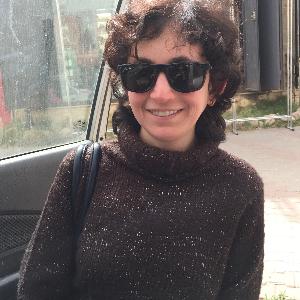
staff photo

د. علا محمود محفوظ الزقلعي

أخصائية طب أطفال و أمراض أعصاب في مستشفى الأطفال التعليمي بطرابلس و محاضرة في قسم طب الاطفال بكلية الطب البشري بجامعة طرابلس .

منشورات مختارة

بعض المنشورات التي تم نشرها في كلية الطب البشري

Lipid Biochemistry: For Medical Sciences

Lipid biochemistry can seem overwhelming, which is why it needs to be explained in a simple and straightforward manner. Ashour Saleh Eljamil, a renowned professor of biochemistry, has written this textbook for undergraduate students in the medical sciences, but its a resource that anyone can use to bolster their knowledge about this important subject. To fully understand biochemistry, you need to know how biomolecules are structured, which is why the first chapter emphasizes the individual chemical structure of various lipid classes. Youll also learn how dietary lipids are digested and absorbed as well as how their metabolism works in separate chapters focusing on fatty acids synthesis, fatty acid oxidation, acylglycerols and sphingolipids, glycolipids, cholesterol, plasma lipoproteins, steroid hormones, and fat-soluble vitamins. While scientists have studied lipid biochemistry for three centuries, its only in the past few decades that weve begun to understand why its so important. Gain a clearer understanding of the world with insights about bile acids, sterols, carotenoids, sex hormones, vitamin K and much, much more when you dive into the world of Lipid Biochemistry. arabic 5 English 35
Ashour Eljamil(3-2015)
Publisher's website

Cell Death in Mouse Brain following Early Exposure to Trichloroethane (TCE)

Exposure to chemicals has been shown to adversely affect CNS health in rodents and humans. The objective was to evaluate, in-vivo, the effects of trichloroethane (TCE), a ubiquitous environmental contaminant, on the integrity of neural cells. A group of albino mice was injected intraperitoneally twice weekly for three weeks with TCE (100 and 400 µg/kg). Animals were followed up for signs of toxicity and death. Alterations in neural tissues have also been investigated by histopathology The results showed a large number of degenerative neural cells (pyknosis of nuclei, DNA fragmentation, chromatin condensation) in the 100 and 400 µg/kg TCE-treated groups comparing to controls. Although there were no significant effect on the neural cell counts, the pattern of increased degenerative cells in TCE-treated groups was higher compared to controls. The results also showed that TCE led to a significant increase in the percent of degenerative neurons. There was also a significant reduction in the percent of neurons. These results correlated with the increase in the percent of glia. This study indicates that TCE exposure had detrimental impact on neural cells, and that neurons are more vulnerable to TCE than glia in this in-vivo mouse model.
Mohamed A. Al-Griw, Naser M. Salama, Soad A. Treesh, Lubna N. Algadi, Abdul hakim Elnfati(7-2015)
Publisher's website

Oxidative Stress Mediated Cytotoxicity of Trichloroethane in a Model of Murine Splenic Injury

The present in vivo murine study was aimed to investigate the long-term effect of repeated administration of low-dose of the environmental toxicant trichloroethane (TCE) over three weeks on the spleen and peripheral blood cells, and the possible role of oxidative stress in TCE-induced toxicity. The results showed neither adverse clinical signs nor mortality on the TCE-treated mice. However, significant changes were noticed in the spleen of those animals. Grossly, the spleen of TCE-treated group was congested and enlarged (splenomegaly). Histpathologically, the splenic tissues of TCE-treated mice showed signs of toxicity as highly activated germinal centers of the white pulp with minimal apoptotic reaction as well as a prominent megakarocytosis and infiltration of the red pulp by comparatively increased number of eosinophiIs and mature lymphocytes were detected. In addition, lymphocyte numbers were decreased in peripheral blood as well as basophils. In contrast, there was an increase in monocyte numbers in the peripheral circulation. In addition, lipid peroxidation/ malondialdehyde formation, a biomarker of oxidative stress, was significantly induced by TCE treatment in the sera and spleen of mice, suggesting an overall increase in oxidative stress. These results provide further support to a role of oxidative stress in TCE-induced cell death, which could result in an impaired spleen function. This study concludes that attenuation of TCE-induced splenic damage in mice provides an approach for preventive and/or therapeutic strategies
Massaud S. Maamar, Mohamed A. Al-Griw, Rabia O. Al-Ghazeer, Seham A. Al-Azreg, Naser M. Salama, Emad M. Bennour(3-2016)
Publisher's website