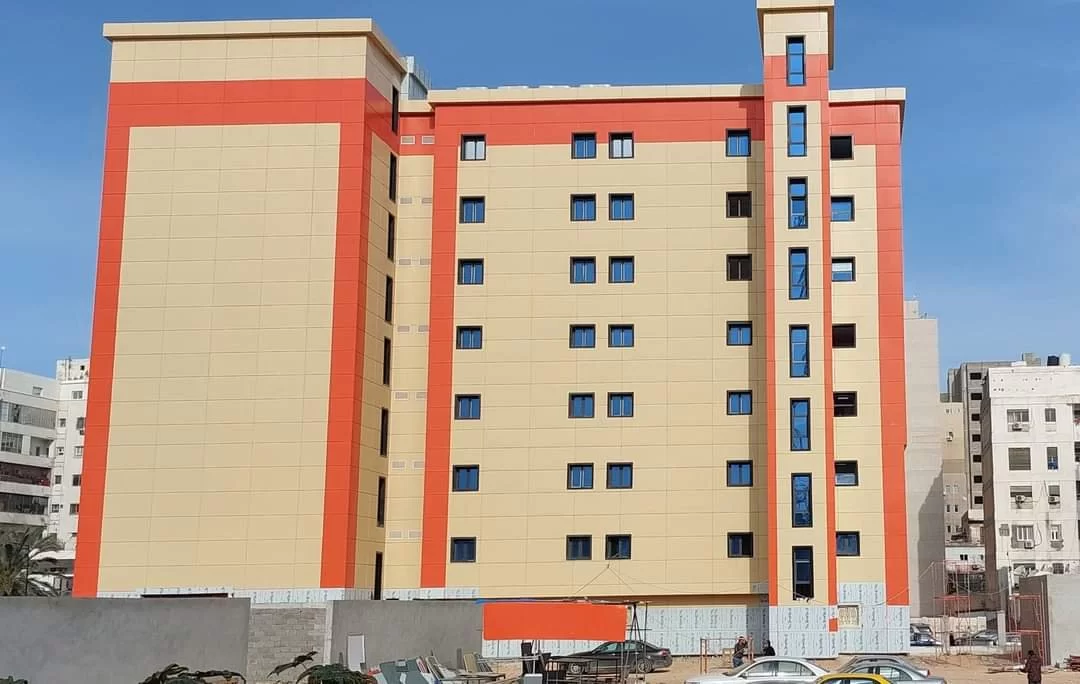
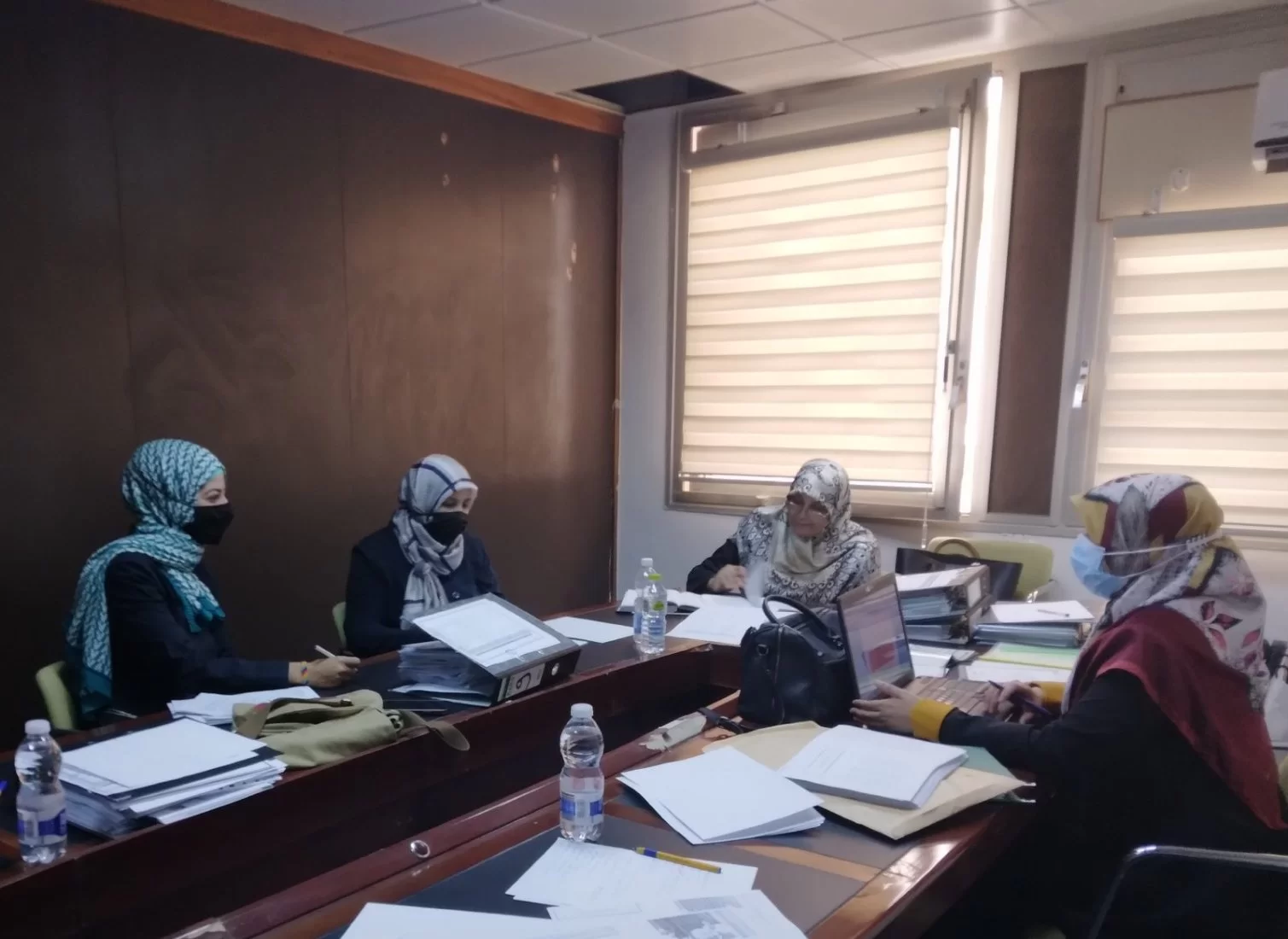
كلية الطب البشري

المزيد ...

حول كلية الطب البشري

لقد تم تأسيس كلية الطب البشري في سنة 1973م، بمدينة طرابلس لتقوم بدورها المنوط بها والمتمثل في تخريج الكوادر الطبية المؤهلة، وفي سنة 1980م تم تخريج أول دفعة منها.

تعد كلية الطب البشري من أكبر كليات الجامعة وصرحاً من صروح المعرفة، بحيث أسهمت هذه الكلية خلال العقود الأربعة الماضية في إعداد وتخريج أطباء مؤهلين كان لهم الفضل بعد الله تعالى في إنجاح العمل الطبي من خلال المستشفيات المنتشرة في ربوع الوطن الحبيب لتقديم أفضل الخدمات الصحية، تضم كلية الطب البشري حالياً أكثر من 493 عضو هيئة تدريس جُلهم من العناصر الوطنية الذين كانوا من أوائل الدفعات في هذه الكلية والذين ساهموا في تقديم الخدمات الصحية اللازمة في المستشفيات والعيادات والمستوصفات.

قد تم إيفاد العديد من خريجي هذه الكلية لاستكمال دراستهم في الخارج والذين أثبتوا جدارتهم في التحصيل العلمي والسريري بشهادة العديد من الجامعات العالمية، هذا وفي الوقت الذي تسعي فيه الكلية لتفعيل برنامج الدراسات العليا في مختلف التخصصات فإنها تعمل علي تطوير مفردات مناهجها وطرق التدريس المواكبة لمتطلبات الجودة العالمية.

حقائق حول كلية الطب البشري

نفتخر بما نقدمه للمجتمع والعالم

80

المنشورات العلمية

238

هيئة التدريس

7385

الطلبة

0

الخريجون

البرامج الدراسية

درجة ماجستير
تخصص طب الأسرة والمجتمع

قريباً...

التفاصيل
المقرر الدراسي
تخصص طب الأطفالPD480

A twelve week rotation. Five weeks at Tripoli children hospital, rotating in the inpatient and outpatient departments.One week at the pediatric department –Tajoura hospital. Five weeks at Tripoli medical center, one week at university.Emphasis is on acquiring skills, and medical knowledge to be able...

التفاصيل

من يعمل بـكلية الطب البشري

يوجد بـكلية الطب البشري أكثر من 238 عضو هيئة تدريس

staff photo

د. احميدة ابراهيم محمد بن جامع

احميدة بن جامع هو احد اعضاء هيئة التدريس بقسم الانسجة والوراثة بكلية الطب البشري. يعمل السيد احميدة بن جامع بجامعة طرابلس كـمحاضر منذ 2015-10-08 وله العديد من المنشورات العلمية في مجال تخصصه

منشورات مختارة

بعض المنشورات التي تم نشرها في كلية الطب البشري

Conservative Management of Odontoid Peg Fractures, long term follow up

Objective: The aim of the study was to look at the long-term effects of conservative management of odontoid peg fractures. Methods: We reviewed 48 consecutive patients with type II (32) and 16 type III, odontoid peg fractures. The clinical & radiological outcomes were assessed over an average period of follow up of 8 years. Union rate was determined and we discussed several factors that may affect it. Patients were treated conservatively with an average period of bed rest of 4 weeks followed by bracing for an average of 9 weeks. Results: Bony unionwas established in 25 of 32 (78%) type II fractures. Of 7 cases of no bony union 4 were stable probably with fibrous union. 3 remained unstable. In 13 of 16(83%) type III fractures bony union was established. 2 of the 3 with no bony union were considered stable. Conclusion: Osseous non-union was higher in patients with displacement of >5mm, but there is no correlation between union and age, gender or angulation of the fracture in both types. arabic 10 English 60
Nabil A. Alageli(6-2017)
Publisher's website

Cerebellar Organotypic Slice Culture System: A Model of Developing Brain Ischaemia

Ischaemic injury during brain development correlates with long-term neurological problems resulting in part from oligodendrocytes (OL) damage and a loss of appropriate myelination. The molecular and cellular mechanisms responsible remain partially understood and there is no effective clinical treatment. Here we develop and characterise an ex-vivo slice culture ischaemia model to elucidate the cellular mechanisms to aid the search for therapeutic interventions. Cerebellar slices from 7 day-old rats were cultured for 10 days and their developmental profile in culture and their response to oxygen-glucose deprivation (OGD) was assessed. During the culture period development of white matter progressed as in-vivo, the numbers of oligodendrocyte precursor cells (OPC) decreased and the numbers of mature OLs increased and there was extensive myelination of axons as judged by colocalisation of myelin basic protein and neurofilament. Cultured slices were exposed to a short period of OGD at 7 days in-vitro and reperfused to mimic in-vivo conditions. Twenty minutes of OGD was found to result in significant injury as judged by a 58.6% reduction in cell viability 3 days post-injury. Treatment of cultures with OGD resulted in a loss of OLs and a loss of myelination of axons. In summary we have developed a paradigm for studying the damage to OLs and loss of myelination associated with ischaemic periods during development which should facilitate the search for understanding the mechanisms responsible and identifying potential therapeutic interventions.
Mohamed A M Al Griw , Mohamed A. Al-Griw, Ian C. Wood, Michael G. Salter(11-2017)
Publisher's website

Extended-Spectrum Beta-Lactamase- and Carbapenemase-Producing Enterobacteriaceae among Libyan Children

Abstract Introduction: Extended-spectrum β-lactamases (ESBLs), AmpC type, carbapenem resistant Enterobacteriaceae (CRE), are important mechanisms of resistance among Enterobacteriaceae. The aim of this study was to investigate the prevalence of ESBL, AmpC and CRE among Enterobacteriaceae isolates recovered from pediatric patients in Tripoli, Libya. Methods: This cross-sectional study was carried out in Tripoli Children Hospital (TCH), a total of 915 Gram negative bacteria isolates were evaluated for susceptibility to a panel of antimicrobials and were analyzed phenotypically for the ESBL, AmpC type and CRE using chromagen media, E-test and combination disc test. Results: The predominant organisms were Escherichia coli (56.8%) and Klebsiella spp. (21.4%). The overall prevalence of ESBL producing Enterobacteriaceae was 24.5% (224/915). Out of 224, Enterobacteriaceae proved ESBL producer, Klebsiella spp. (54%) and E. coli (34.4%) were the leading ESBL producers. ESBL-producers were more often resistant to major classes of antibiotics compared with non-ESBL producers, significantly high resistance rates (P < 0.001) were observed for ceftriaxone, cefepime, and ceftazidime (87.5 - 95.9%) among ESBL producers compared to non-ESBL producers (7.2 - 13.5%). MDR was documented for 50/224 (22.3%) of ESBL producers and was significantly higher (P < 0.0001) among ESBLs compared with non-ESBL producer isolates. Phenotypic detection of AmpC revealed 60/915 (6.6%) isolates as potential AmpC β-lactamase producers, E. coli exhibited a lower level of AmpC (8.3%) compared with Klebsiella spp. (56.6%). The overall prevalence of CRE was 9% (83/915). Carbapenemase-producing organisms in this study were as follows: Klebsiella spp. (44.6%); Acinetobacter spp. (24%); Pseudomonas spp. (9.6%). Conclusion: This study revealed that the prevalence of ESBL, AmpC, CRE and MDR Enterobacteriaceae isolates in Children hospital was within acceptable frequency. arabic 11 English 91
Abdulaziz Zorgani, Abdulla Bashein, (1-2017)
Publisher's website