كلية الطب البشري

المزيد ...

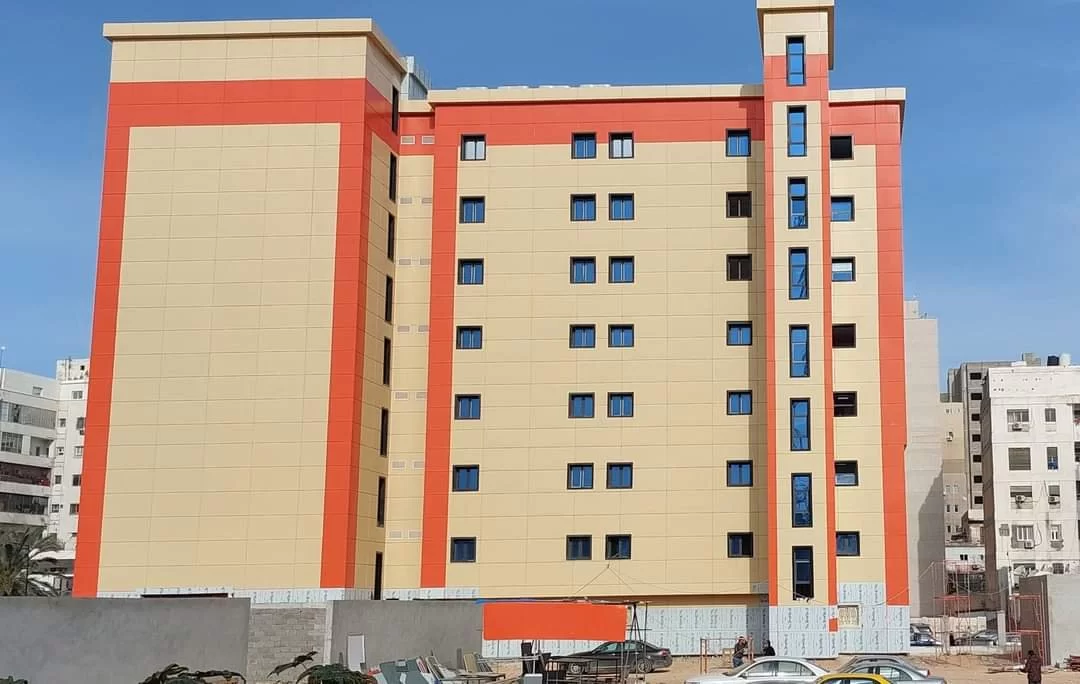
حول كلية الطب البشري

لقد تم تأسيس كلية الطب البشري في سنة 1973م، بمدينة طرابلس لتقوم بدورها المنوط بها والمتمثل في تخريج الكوادر الطبية المؤهلة، وفي سنة 1980م تم تخريج أول دفعة منها.

تعد كلية الطب البشري من أكبر كليات الجامعة وصرحاً من صروح المعرفة، بحيث أسهمت هذه الكلية خلال العقود الأربعة الماضية في إعداد وتخريج أطباء مؤهلين كان لهم الفضل بعد الله تعالى في إنجاح العمل الطبي من خلال المستشفيات المنتشرة في ربوع الوطن الحبيب لتقديم أفضل الخدمات الصحية، تضم كلية الطب البشري حالياً أكثر من 493 عضو هيئة تدريس جُلهم من العناصر الوطنية الذين كانوا من أوائل الدفعات في هذه الكلية والذين ساهموا في تقديم الخدمات الصحية اللازمة في المستشفيات والعيادات والمستوصفات.

قد تم إيفاد العديد من خريجي هذه الكلية لاستكمال دراستهم في الخارج والذين أثبتوا جدارتهم في التحصيل العلمي والسريري بشهادة العديد من الجامعات العالمية، هذا وفي الوقت الذي تسعي فيه الكلية لتفعيل برنامج الدراسات العليا في مختلف التخصصات فإنها تعمل علي تطوير مفردات مناهجها وطرق التدريس المواكبة لمتطلبات الجودة العالمية.

حقائق حول كلية الطب البشري

نفتخر بما نقدمه للمجتمع والعالم

80

المنشورات العلمية

238

هيئة التدريس

7385

الطلبة

0

الخريجون

البرامج الدراسية

درجة ماجستير
تخصص طب الأسرة والمجتمع

قريباً...

التفاصيل
المقرر الدراسي
تخصص طب الأطفالPD480

A twelve week rotation. Five weeks at Tripoli children hospital, rotating in the inpatient and outpatient departments.One week at the pediatric department –Tajoura hospital. Five weeks at Tripoli medical center, one week at university.Emphasis is on acquiring skills, and medical knowledge to be able...

التفاصيل
من يعمل بـكلية الطب البشري

يوجد بـكلية الطب البشري أكثر من 238 عضو هيئة تدريس

staff photo

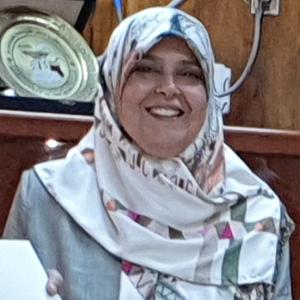
د. محمد عبدالسلام محمد القريو

الدكتور محمد عبد السلام القريو هو أحد أعضاء هيئة التدريس بقسم الأنسجة والوراثة بكلية الطب البشري. يعمل الدكتور محمد القريو بجامعة طرابلس كأستاذ مشارك منذ أغسطس 2019م، وله العديد من المنشورات العلمية في مجال تخصصه. أكثر من 18 سنة من العمل الأكاديمي والإداري مع جامعة طرابلس، ووزارة التعليم العالي والبحث العلمي، والمركز الوطني لضمان جودة واعتماد المؤسسات التعليمية والتدريبية في مجالات التخطيط الاستراتيجي، والجودة وضمانها في التعليم العالي، والاعتماد الأكاديمي، وتصنيف الجامعات. وتحصل على عدد من الشهادات في مجال التخطيط الاستراتيجي، والجودة وضمانها والاعتماد في التعليم العالي. ويعمل حالياً مع فرق عمل الهيئة الوطنية لأبحاث وتحاليل البصمة الوراثية ويُعد عضو مؤسس لبرنامج ليبيا جينوم بالهيئة - دولة ليبيا.

منشورات مختارة

بعض المنشورات التي تم نشرها في كلية الطب البشري

Experimental study comparing burn healing effects of raw South African Shea butter and the samples from a Libyan market

Background: The fat extracted from the nut of the African Shea tree (Vitellaria paradoxa) is called Shea butter. It has multiple uses at the local level as it is used in cosmetic products and as a cocoa butter substitute in chocolate industries. It has a high nutritious value and is also a valuable product on the local, national, and international markets, making it the ideal candidate to research and invest in. Aim: This study is a comparative experimental study of the possible burn healing effects between imported South African raw Shea butter and samples in a Libyan market. Method: The control samples were brought from South Africa (Benin traditional markets). A total of 18 different samples were collected from different sale centers in Tripoli, including pharmacies, beauty shops, and spices shops, in addition to one sample brought from Poland. Animal experiment on burn healing effect was carried out on nine male Sprague Dawley (350–400 g) rats aged 6–8 weeks old. After shaving the animal’s dorsum hair, a metal cube was used to create a deep second degree burn wound, and the cube was heated to 100°C for 20 seconds. Medication with Shea butter (control, T1, and T2) was initiated daily for one for these groups by the application of a thin film of the Shea butter samples on the burned areas. On days 1, 3, and 7, the rats were anesthetised and a sample from the burned scar tissue and skin adjacent were evaluated using pathological parameters. Results: The histological study indicates that the use of Shea butter T1 as topical treatment induces an immune response, which enhances the form of the presence of a large number of inflammatory cells in the epidermis and dermis layers. The treatment of burned skin with T2 lasted for 72 hours and it showed slightly significant healing in the normal structure of proliferative granulation tissue with accumulation of fibroblasts and inflammatory cells surrounding the sebaceous glands and hair follicles. Small areas of the epidermis which formed few layers were observed and some hair roots were grown. This was well seen in cases of T1 and T2. Shea butter bought as raw might have a bad effect on burned skin. Conclusion: Shea butter bought as raw might have bad effect on burned skin. On the other hand, the sample from Poland had a therapeutic effect, which was because of the additives such as avocado oil, grape seed oil, and others. arabic 18 English 101
Sakina Salem Mohammed Saadawi, Soad Ali Abdulsalam Treesh, ٍSuhera Mehemed Abdulsalam Aburawi, , , (11-2020)
Publisher's website

Prevalence of Vitamin D Deficiency in Pregnant Diabetic Patients in Western Libya

Despite the relative abundance of sunny weather, surprisingly, there is increasing evidence that vitamin D deficiency is extremely prevalent in females of reproductive age in Middle East countries. There is also increasing interest in the non-classical roles of vitamin in health and disease including its relation to incidence of gestational diabetes, its impact on glycaemic control in diabetes mellitus, and its association with some complications of pregnancy like preeclampsia. The objective of this study was to estimate the prevalence of Vitamin D deficiency in pregnant diabetic patients in west Libya and analyse potential links to socioeconomic and cultural factors. This is a cross sectional observational study. Random plasma was collected form expected mothers attending the Antenatal Diabetes Clinic at Tripoli’s Main Maternity Hospital. Demographics and socioeconomic and cultural factors were recorded at the same time. Samples were analysed for vitamin D level and biochemical screening panel. Vitamin D level was obtained from 160 patients (mean age 35 years). Over all 95 % of the study population had vitamin D levels below normal (defined as vitamin D level of < 20 ng/mL). Results were subcategorised into severe deficiency ( 30 ng/ml, only 1.3%, 2 patients). All patients were taking daily vitamin D Supplements at a dose of 400 IU as per hospital policy. Vitamin D deficiency is extremely prevalent in pregnant diabetic patients in Libya. There is no clear association with socioeconomic risk factors like employment, type of accommodation or geographic distribution. However, most of the study population had life style characterized by minimal exposure to direct sun arabic 11 English 70
G Murad, A Bashein(1-2019)
Publisher's website

Seroprevalence of Severe Acute Respiratory Syndrome Coronavirus-2 Antibodies among People Living with HIV: A Cross-sectional Study from Tripoli University Hospital

Background/Aims: Patients with preexisting morbidities(e.g., malignancy, posttransplant, and heart failure) are recognized to be at increased risk of severe acute respiratory syndrome coronavirus‑2 (SARS‑CoV‑2) infection, as well as increased risk of mortality after infection. However, there are conflicting data on the susceptibility and prevalence of infection among people living with HIV (PLWH), with higher, lower, and equal prevalence to the general population were reported. The aim of this study was to assess the prevalence of SARS‑CoV‑2 antibodies among PLWH who are attending clinical care at the Department of Infectious Diseases of Tripoli University Hospital. Materials and Methods: A cross‑sectional study conducted during the period from October 01, 2021 to December 01, 2021 at the (Department of Infectious Diseases) outpatient clinic of Tripoli University Hospital. The OnSite Coronavirus Disease 2019 IgG/IgM Rapid Test (CTK Biotech, San Diego County, California, USA) was used to determine the presence of antibodies against the spike protein of SARS‑CoV‑2 in the collected serum samples. The test results were reported as “Negative” or “Positive” as per the manufacturer’s instructions. Results: A total of 108 PLWH were included in the study. Sixty‑nine (64%) were male, and the mean age for participants was 44 years. Specific IgG/IgM antibodies for SARS‑CoV‑2 were detected in 31 individuals, representing a seroprevalence of 28.7%. Conclusions: High seroprevalence of SARS‑CoV‑2 antibodies among nonvaccinated PLWH attending clinical care at Tripoli University Hospital. They require pritorization on vaccination and boosting
Nader Shalaka(12-2021)
Publisher's website