كلية الطب البشري

المزيد ...

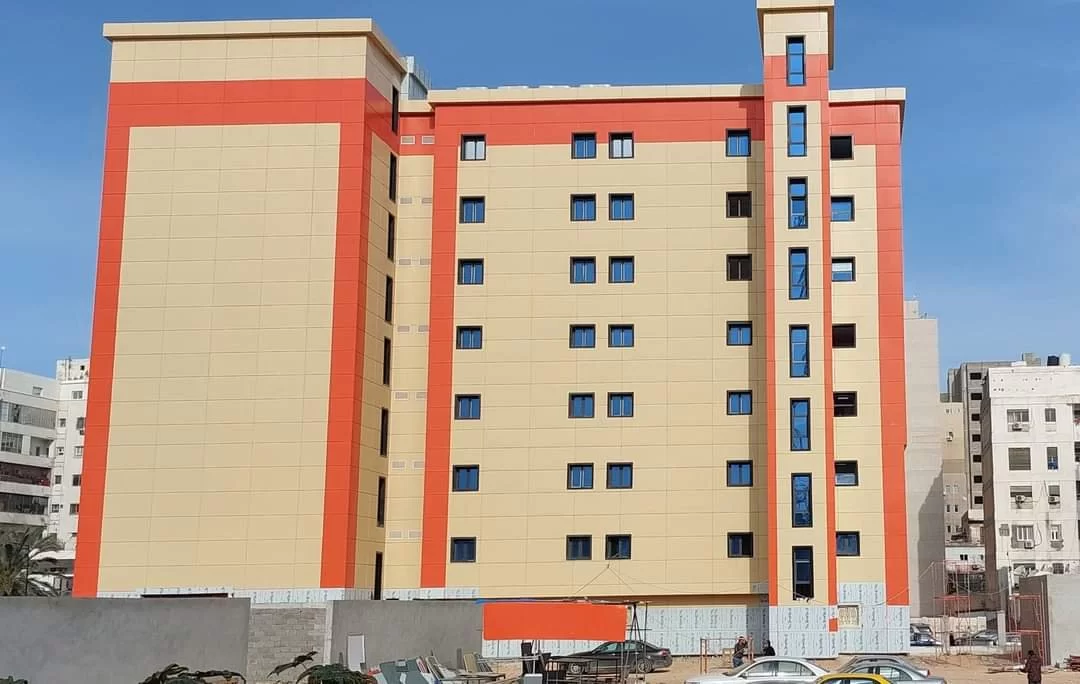
حول كلية الطب البشري

لقد تم تأسيس كلية الطب البشري في سنة 1973م، بمدينة طرابلس لتقوم بدورها المنوط بها والمتمثل في تخريج الكوادر الطبية المؤهلة، وفي سنة 1980م تم تخريج أول دفعة منها.

تعد كلية الطب البشري من أكبر كليات الجامعة وصرحاً من صروح المعرفة، بحيث أسهمت هذه الكلية خلال العقود الأربعة الماضية في إعداد وتخريج أطباء مؤهلين كان لهم الفضل بعد الله تعالى في إنجاح العمل الطبي من خلال المستشفيات المنتشرة في ربوع الوطن الحبيب لتقديم أفضل الخدمات الصحية، تضم كلية الطب البشري حالياً أكثر من 493 عضو هيئة تدريس جُلهم من العناصر الوطنية الذين كانوا من أوائل الدفعات في هذه الكلية والذين ساهموا في تقديم الخدمات الصحية اللازمة في المستشفيات والعيادات والمستوصفات.

قد تم إيفاد العديد من خريجي هذه الكلية لاستكمال دراستهم في الخارج والذين أثبتوا جدارتهم في التحصيل العلمي والسريري بشهادة العديد من الجامعات العالمية، هذا وفي الوقت الذي تسعي فيه الكلية لتفعيل برنامج الدراسات العليا في مختلف التخصصات فإنها تعمل علي تطوير مفردات مناهجها وطرق التدريس المواكبة لمتطلبات الجودة العالمية.

حقائق حول كلية الطب البشري

نفتخر بما نقدمه للمجتمع والعالم

80

المنشورات العلمية

238

هيئة التدريس

7385

الطلبة

0

الخريجون

البرامج الدراسية

درجة ماجستير
تخصص طب الأسرة والمجتمع

قريباً...

التفاصيل
المقرر الدراسي
تخصص طب الأطفالPD480

A twelve week rotation. Five weeks at Tripoli children hospital, rotating in the inpatient and outpatient departments.One week at the pediatric department –Tajoura hospital. Five weeks at Tripoli medical center, one week at university.Emphasis is on acquiring skills, and medical knowledge to be able...

التفاصيل

من يعمل بـكلية الطب البشري

يوجد بـكلية الطب البشري أكثر من 238 عضو هيئة تدريس

staff photo

د. نزيهة رمضان محمد بن رحومه

منشورات مختارة

بعض المنشورات التي تم نشرها في كلية الطب البشري

Anti-angiogenic and anti-inflammatory activity of the summer truffle (Tuber aestivum Vittad.) extracts and a correlation with the chemical constituents identified therein

Fungi are a huge source of unexplored bioactive compounds. Owing to their biological activities, several fungi have shown commercial application in the health industry. Tuber aestivum Vittad. is one such edible fungi with an immense scope for practical biological applications. In the present study, the anti-angiogenic activity of petroleum ether and ethanol extracts of T. aestivum was investigated using the chick chorioallantoic membrane assay and compared to the positive controls silibinin and lenalidomide. Both the extracts showed a dose-dependent anti-angiogenic response. The extracts were also assessed for their anti-inflammatory potential by lipoxygenase-inhibition assay. The IC50 values for LOX inhibition assay, computed by the Boltzmann plot, were 368.5, 147.3 and 40.2 μg/mL, for the petroleum ether extract, ethanol extract, and the positive control ascorbic acid, respectively. The ethanol extract of T. aestivum showed superior anti-angiogenic and anti-inflammatory activity than the petroleum ether extract. Compositional investigation of the extracts by GC–MS revealed the presence of various bioactive compounds. The compounds were correlated to their anti-angiogenic and antiinflammatory activity based on a meticulous literature search. arabic 25 English 145
Sandesh J. Marathe, Abdulla Bashein, (1-2020)
Publisher's website

Effects of storage temperature on the quantity and integrity of genomic DNA extracted from mice tissues: A comparison of recovery methods

Efficient extraction of genomic DNA (gDNA) from biological materials found in harsh environments is the first step for successful forensic DNA profiling. This study aimed to evaluate two methods for DNA recovery from animal tissues (livers, muscles), focusing on the best storage temperature for DNA yield in term of quality, quantity, and integrity for use in several downstream molecular techniques. Six male Swiss albino mice were sacrificed, liver and muscle tissues (n=32) were then harvested and stored for one week in different temperatures, -20C, 4C, 25C and 40C. The conditioned animal tissues were used for DNA extraction by Chelex-100 method or NucleoSpin Blood and Tissue kit. The extracted gDNA was visualized on 1.5% agarose gel electrophoresis to determine the quality of gDNA and analysed spectrophotometrically to determine the DNA concentration and the purity. Both methods, Chelex-100 and NucleoSpin Blood and Tissue kit found to be appropriate for yielding high quantity of gDNA, with the Chelex100 method yielding a greater quantity (P < 0.045) than the kit. At -20C, 4C, and 25C temperatures, the concentration of DNA yield was numerically lower than at 40C. The NucleoSpin Blood and Tissue kit produced a higher (P=0.031) purity product than the Chelex-100 method, particularly for muscle tissues. The Chelex-100 method is cheap, fast, effective, and is a crucial tool for yielding DNA from animal tissues (livers, muscles) exposed to harsh environment with little limitations.
Huda H. Al-Griw, Zena A. Zraba, Salsabiel K. Al-Muntaser, Marwan M. Draid, Aisha M. Zaidi, Refaat M. Tabagh , Mohamed A. Al-Griw(8-2017)
Publisher's website

Assessment of diabetes-related knowledge among nursing staff in a hospital setting

This study aimed to identify areas of deficient knowledge among hospital nurses regarding diabetes management; the ultimate goal was to improve the quality of care for people with diabetes who are admitted to hospital for other medical reasons. Diabetes-related knowledge was assessed in 116 nurses using a 66-item questionnaire; the mean total score was 48.5±15.1. Knowledge was highest for nurses working in paediatrics (62.0±5.5; P
Hawa Juma El-Shareif(7-2013)
Publisher's website