كلية الطب البشري

المزيد ...

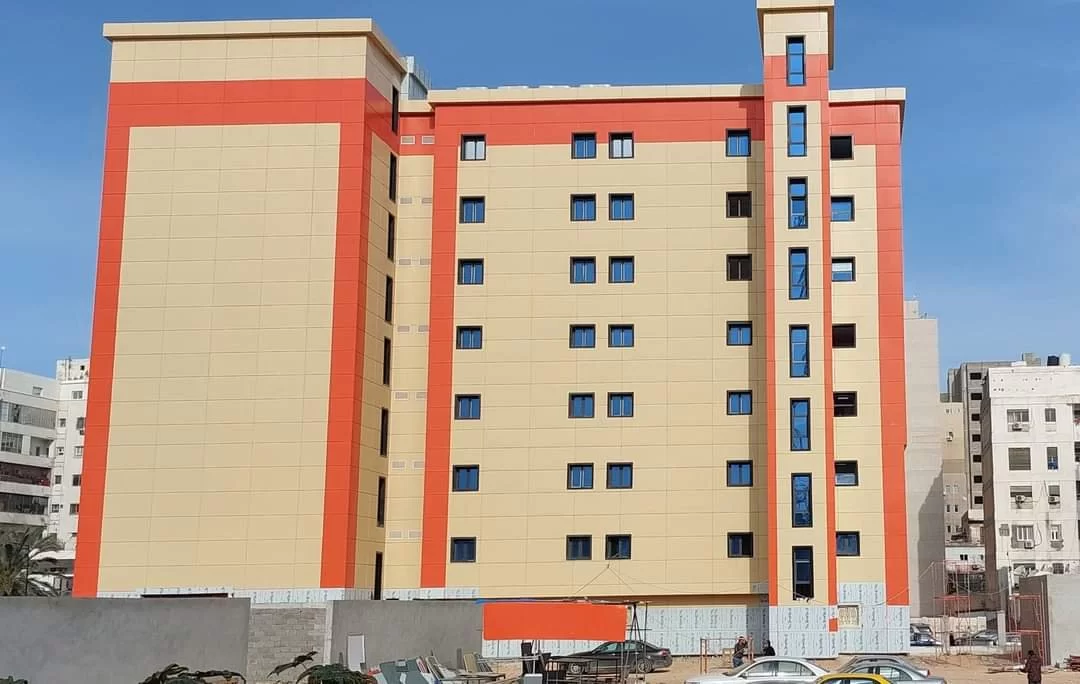
حول كلية الطب البشري

لقد تم تأسيس كلية الطب البشري في سنة 1973م، بمدينة طرابلس لتقوم بدورها المنوط بها والمتمثل في تخريج الكوادر الطبية المؤهلة، وفي سنة 1980م تم تخريج أول دفعة منها.

تعد كلية الطب البشري من أكبر كليات الجامعة وصرحاً من صروح المعرفة، بحيث أسهمت هذه الكلية خلال العقود الأربعة الماضية في إعداد وتخريج أطباء مؤهلين كان لهم الفضل بعد الله تعالى في إنجاح العمل الطبي من خلال المستشفيات المنتشرة في ربوع الوطن الحبيب لتقديم أفضل الخدمات الصحية، تضم كلية الطب البشري حالياً أكثر من 493 عضو هيئة تدريس جُلهم من العناصر الوطنية الذين كانوا من أوائل الدفعات في هذه الكلية والذين ساهموا في تقديم الخدمات الصحية اللازمة في المستشفيات والعيادات والمستوصفات.

قد تم إيفاد العديد من خريجي هذه الكلية لاستكمال دراستهم في الخارج والذين أثبتوا جدارتهم في التحصيل العلمي والسريري بشهادة العديد من الجامعات العالمية، هذا وفي الوقت الذي تسعي فيه الكلية لتفعيل برنامج الدراسات العليا في مختلف التخصصات فإنها تعمل علي تطوير مفردات مناهجها وطرق التدريس المواكبة لمتطلبات الجودة العالمية.

حقائق حول كلية الطب البشري

نفتخر بما نقدمه للمجتمع والعالم

80

المنشورات العلمية

238

هيئة التدريس

7385

الطلبة

0

الخريجون

البرامج الدراسية

درجة ماجستير
تخصص طب الأسرة والمجتمع

قريباً...

التفاصيل
المقرر الدراسي
تخصص طب الأطفالPD480

A twelve week rotation. Five weeks at Tripoli children hospital, rotating in the inpatient and outpatient departments.One week at the pediatric department –Tajoura hospital. Five weeks at Tripoli medical center, one week at university.Emphasis is on acquiring skills, and medical knowledge to be able...

التفاصيل

من يعمل بـكلية الطب البشري

يوجد بـكلية الطب البشري أكثر من 238 عضو هيئة تدريس

staff photo

أ. منى حسني محمد القذافي

خريجة كلية الطب البشري / بكايورس طب وجراحة جامعة طرابلس ماستر احياء دقيقة ومناعة طبية /جامعة طرابلس

منشورات مختارة

بعض المنشورات التي تم نشرها في كلية الطب البشري

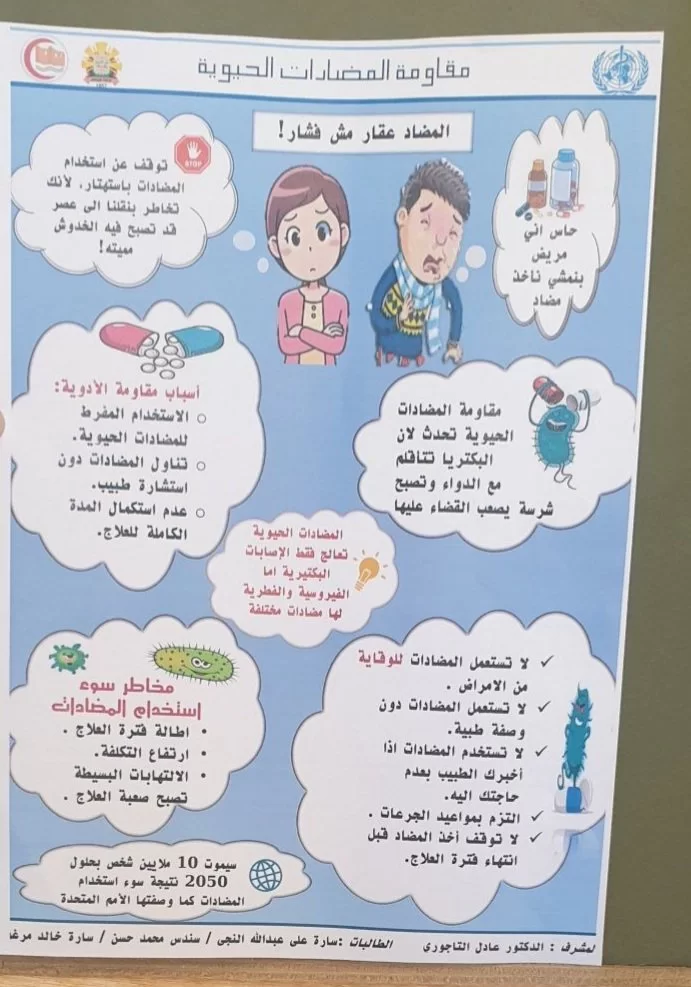
Extended-Spectrum Beta-Lactamase- and Carbapenemase-Producing Enterobacteriaceae among Libyan Children

Abstract Introduction: Extended-spectrum β-lactamases (ESBLs), AmpC type, carbapenem resistant Enterobacteriaceae (CRE), are important mechanisms of resistance among Enterobacteriaceae. The aim of this study was to investigate the prevalence of ESBL, AmpC and CRE among Enterobacteriaceae isolates recovered from pediatric patients in Tripoli, Libya. Methods: This cross-sectional study was carried out in Tripoli Children Hospital (TCH), a total of 915 Gram negative bacteria isolates were evaluated for susceptibility to a panel of antimicrobials and were analyzed phenotypically for the ESBL, AmpC type and CRE using chromagen media, E-test and combination disc test. Results: The predominant organisms were Escherichia coli (56.8%) and Klebsiella spp. (21.4%). The overall prevalence of ESBL producing Enterobacteriaceae was 24.5% (224/915). Out of 224, Enterobacteriaceae proved ESBL producer, Klebsiella spp. (54%) and E. coli (34.4%) were the leading ESBL producers. ESBL-producers were more often resistant to major classes of antibiotics compared with non-ESBL producers, significantly high resistance rates (P < 0.001) were observed for ceftriaxone, cefepime, and ceftazidime (87.5 - 95.9%) among ESBL producers compared to non-ESBL producers (7.2 - 13.5%). MDR was documented for 50/224 (22.3%) of ESBL producers and was significantly higher (P < 0.0001) among ESBLs compared with non-ESBL producer isolates. Phenotypic detection of AmpC revealed 60/915 (6.6%) isolates as potential AmpC β-lactamase producers, E. coli exhibited a lower level of AmpC (8.3%) compared with Klebsiella spp. (56.6%). The overall prevalence of CRE was 9% (83/915). Carbapenemase-producing organisms in this study were as follows: Klebsiella spp. (44.6%); Acinetobacter spp. (24%); Pseudomonas spp. (9.6%). Conclusion: This study revealed that the prevalence of ESBL, AmpC, CRE and MDR Enterobacteriaceae isolates in Children hospital was within acceptable frequency. arabic 11 English 91
Abdulaziz Zorgani, Abdulla Bashein, (1-2017)
Publisher's website

Applicability of the World Health Organization’s Healthcare System Framework: A Consensus Development Study in Libya

Abstract Introduction: The World Health Organization (WHO) Health Systems Framework (HSF) with its 6 building blocks is a widely accepted tool for accurate evaluation of health systems. However, its role in the developing world has not been widely assessed yet. Methods: Six Questionnaires with 5-point Likert-scale were designed and distributed to all the attendees of Libya Health 500 (LH500) Conference, and collected just before the group discussion of Libyan health system’s session. Results: There were high levels of agreement of the respondents to the questionnaires items about the 6 building blocks. The application of evidencebased medicine and equal provision of health service to all, received the highest levels of agreement. Most of the attendees agreed that health services should be paid by the health insurance system, as it has many advantages, including the peace of mind for the public. The fairness and efficiency of the workforce and the establishment of regulatory mechanisms to address the needs of the health workforce had a high level of agreement. Moreover, a functioning health technology requires an effective supply and distribution system of technology elements. The participants agreed that health information technology is important to improve healthcare services and to prevent financial and administrative corruptions. Conclusion: It is feasible to adapt the WHO-HSF to identify the needs and ways to enhance health systems in the developing world. The Libyan healthcare providers were fully aware and committed to the need for the applicability of the WHOHSF to the National Health Service in Libya. arabic 18 English 100
Nabil A Alagili(7-2016)
Publisher's website

Molecular Genetics of Chronic Granulomatous Disease in Libyan Patients in Benghazi

Introduction: Chronic granulomatous disease (CGD) is a rare inherited primary immune deficiency disease with prevalence of 1 in 250,000 worldwide. It is caused by mutations in the genes that encode the NADPH oxidase enzyme components responsible for the production of super oxide and other free radicals. These mutations lead to the absence or decrease of the microbicidal activity of the phagocytic cells. arabic 10 English 72
Muna Hamed Othman Elramli, Ahmed Zaid(1-2015)
Publisher's website