كلية الطب البشري

المزيد ...

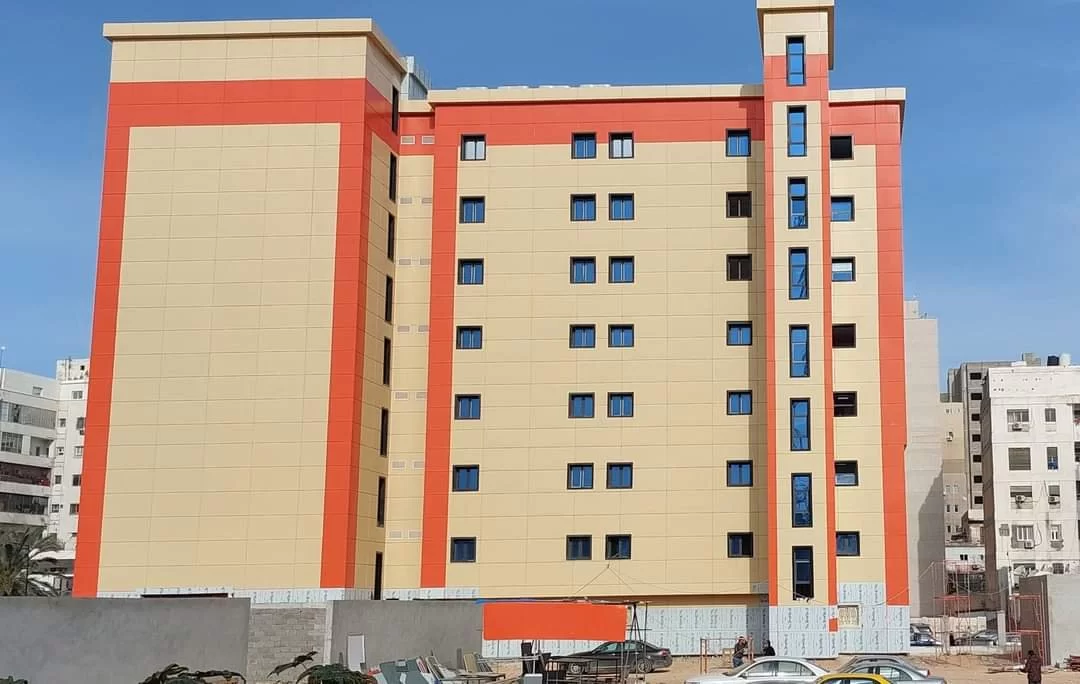
حول كلية الطب البشري

لقد تم تأسيس كلية الطب البشري في سنة 1973م، بمدينة طرابلس لتقوم بدورها المنوط بها والمتمثل في تخريج الكوادر الطبية المؤهلة، وفي سنة 1980م تم تخريج أول دفعة منها.

تعد كلية الطب البشري من أكبر كليات الجامعة وصرحاً من صروح المعرفة، بحيث أسهمت هذه الكلية خلال العقود الأربعة الماضية في إعداد وتخريج أطباء مؤهلين كان لهم الفضل بعد الله تعالى في إنجاح العمل الطبي من خلال المستشفيات المنتشرة في ربوع الوطن الحبيب لتقديم أفضل الخدمات الصحية، تضم كلية الطب البشري حالياً أكثر من 493 عضو هيئة تدريس جُلهم من العناصر الوطنية الذين كانوا من أوائل الدفعات في هذه الكلية والذين ساهموا في تقديم الخدمات الصحية اللازمة في المستشفيات والعيادات والمستوصفات.

قد تم إيفاد العديد من خريجي هذه الكلية لاستكمال دراستهم في الخارج والذين أثبتوا جدارتهم في التحصيل العلمي والسريري بشهادة العديد من الجامعات العالمية، هذا وفي الوقت الذي تسعي فيه الكلية لتفعيل برنامج الدراسات العليا في مختلف التخصصات فإنها تعمل علي تطوير مفردات مناهجها وطرق التدريس المواكبة لمتطلبات الجودة العالمية.

حقائق حول كلية الطب البشري

نفتخر بما نقدمه للمجتمع والعالم

80

المنشورات العلمية

238

هيئة التدريس

7385

الطلبة

0

الخريجون

البرامج الدراسية

درجة ماجستير
تخصص طب الأسرة والمجتمع

قريباً...

التفاصيل
المقرر الدراسي
تخصص طب الأطفالPD480

A twelve week rotation. Five weeks at Tripoli children hospital, rotating in the inpatient and outpatient departments.One week at the pediatric department –Tajoura hospital. Five weeks at Tripoli medical center, one week at university.Emphasis is on acquiring skills, and medical knowledge to be able...

التفاصيل

من يعمل بـكلية الطب البشري

يوجد بـكلية الطب البشري أكثر من 238 عضو هيئة تدريس

staff photo

أ. اسماء محمد امحمد حسين

منشورات مختارة

بعض المنشورات التي تم نشرها في كلية الطب البشري

Cellular and molecular etiology of hepatocyte injury in a murine model of environmentally induced liver abnormality

Exposures to a wide variety of environmental substances are negatively associated with many biological cell systems both in humans and rodents. Trichloroethane (TCE), a ubiquitous environmental toxicant, is used in large quantities as a dissolvent, metal degreaser, chemical intermediate, and component of consumer products. This increases the likelihood of human exposure to these compounds through dermal, inhalation and oral routes. The present in vivo study was aimed to investigate the possible cellular and molecular etiology of liver abnormality induced by early exposure to TCE using a murine model. The results showed a significant increase in liver weight. Histopathological examination revealed a TCE-induced hepatotoxicity which appeared as heavily congested central vein and blood sinusoids as well as leukocytic infiltration. Mitotic figures and apoptotic changes such as chromatin condensation and nuclear fragments were also identified. Cell death analysis demonstrates hepatocellular apoptosis was evident in the treated mice compared to control. TCE was also found to induce oxidative stress as indicated by an increase in the levels of lipid peroxidation, an oxidative stress marker. There was also a significant decrease in the DNA content of the hepatocytes of the treated groups compared to control. Agarose gel electrophoresis also provided further biochemical evidence of apoptosis by showing internucleosomal DNA fragmentation in the liver cells, indicating oxidative stress as the cause of DNA damage. These results suggest the need for a complete risk assessment of any new chemical prior to its arrival into the consumer market.
Mohamed M. Al-Griw, Rabia O. Alghazeer, S. A. Al-Azreg, Emad M. Bennour(9-2016)
Publisher's website

Effect of active cigarettes smoking, water-pipe smoking and snuff (naffa) inhalation on BMI, lipid profile, and plasma glucose. A case control study of Libyan males

Objectives: Tobacco use in all its forms represents a very well-known preventable risk factor for cardiovascular diseases (CVD). Alteration of plasma lipids levels is one of the mechanisms by which it causes CVD. In addition, there are controversial reports linking tobacco use with diabetes. This case-control study is aiming to investigate the interrelationship between tobacco use and BMI, lipid profile, and plasma glucose in Libyans residing in Tripoli region. Methods: The study was conducted on 200 healthy male subjects, including, 50 non-smokers aged 40.98±8.07, 50 cigarette smokers aged 41.32±7.39, 50 water-pipe users aged 42.04±7.39, and 50 snuff inhalers aged 39.36±7.00. BMI was estimated as (kg/m 2), lipid profile and fasting plasma glucose were estimated in triplicate by enzymatic colorimetric method and expressed as (mg/dL). Results: Our results showed that BMI is significantly higher in tobacco users than non-smokers (P 0.0001). Total cholesterol and triacylglycerols are significantly higher in tobacco users (P 0.0001). HDL is significantly higher in non-smokers (P 0.0001). LDL not affected by tobacco use (P 0.32). Fasting plasma glucose significantly higher in tobacco users (P 0.0001). Conclusions: In conclusion, tobacco use affects the BMI, lipid profile, and glucose which are components of the metabolic syndrome in the Libyan males population. arabic 31 English 133
H Alemam, Abdulla Bashein, (1-2015)
Publisher's website

Seroprevalence of Measles, Mumps, and Rubella Antibodies in Libyan Children at School Entry Evaluation of MMR Immunization Program

Measles, Mumps ,and rubella (MMR) are serious diseases that can lead potentially to disability and death. The study aimed to determine seroprevalence rates of antibody levels against MMR among Libyan children at school entry. This was a cross sectional study undertaken in Tripoli, from August to September 2016. Children of school-entry age (> 5 to ≤ 7 years) were randomly recruited at vaccination centers. Sera were tested for antibodies againstMMR. Data analyzed by SPSS program version 20. Out of 546 children, 290 were males. IgG antibodies against measles, mumps, and rubella were positive in 513 (94%), 436 (80%), 538 (98.5%) children, respectively. Seropositivity rates in Libyan children at school entry is protective and this is similar in so many other studies. This indicates that MMR vaccine program is effective in strengthening herd immunity in the Libyan community. arabic 19 English 111
Mohamed Abugalia, A Bashein(1-2021)
Publisher's website