كلية الطب البشري

المزيد ...

حول كلية الطب البشري

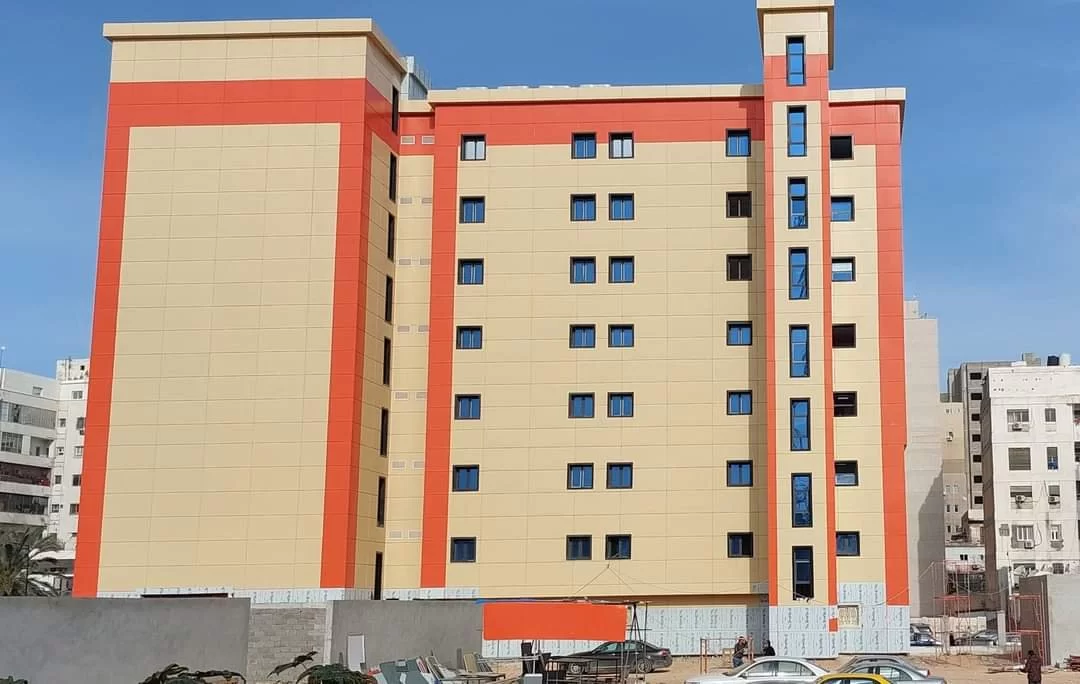
لقد تم تأسيس كلية الطب البشري في سنة 1973م، بمدينة طرابلس لتقوم بدورها المنوط بها والمتمثل في تخريج الكوادر الطبية المؤهلة، وفي سنة 1980م تم تخريج أول دفعة منها.

تعد كلية الطب البشري من أكبر كليات الجامعة وصرحاً من صروح المعرفة، بحيث أسهمت هذه الكلية خلال العقود الأربعة الماضية في إعداد وتخريج أطباء مؤهلين كان لهم الفضل بعد الله تعالى في إنجاح العمل الطبي من خلال المستشفيات المنتشرة في ربوع الوطن الحبيب لتقديم أفضل الخدمات الصحية، تضم كلية الطب البشري حالياً أكثر من 493 عضو هيئة تدريس جُلهم من العناصر الوطنية الذين كانوا من أوائل الدفعات في هذه الكلية والذين ساهموا في تقديم الخدمات الصحية اللازمة في المستشفيات والعيادات والمستوصفات.

قد تم إيفاد العديد من خريجي هذه الكلية لاستكمال دراستهم في الخارج والذين أثبتوا جدارتهم في التحصيل العلمي والسريري بشهادة العديد من الجامعات العالمية، هذا وفي الوقت الذي تسعي فيه الكلية لتفعيل برنامج الدراسات العليا في مختلف التخصصات فإنها تعمل علي تطوير مفردات مناهجها وطرق التدريس المواكبة لمتطلبات الجودة العالمية.

حقائق حول كلية الطب البشري

نفتخر بما نقدمه للمجتمع والعالم

80

المنشورات العلمية

238

هيئة التدريس

7385

الطلبة

0

الخريجون

البرامج الدراسية

درجة ماجستير
تخصص طب الأسرة والمجتمع

قريباً...

التفاصيل
المقرر الدراسي
تخصص طب الأطفالPD480

A twelve week rotation. Five weeks at Tripoli children hospital, rotating in the inpatient and outpatient departments.One week at the pediatric department –Tajoura hospital. Five weeks at Tripoli medical center, one week at university.Emphasis is on acquiring skills, and medical knowledge to be able...

التفاصيل

من يعمل بـكلية الطب البشري

يوجد بـكلية الطب البشري أكثر من 238 عضو هيئة تدريس

staff photo

أ.د. عبدالله مسعود بشين بشين

عبدالله بشين هو احد اعضاء هيئة التدريس بقسم الكيمياء الحيوية بكلية الطب البشري. يعمل السيد عبدالله بشين بجامعة طرابلس كـأستاذ منذ 2007-04-15 وله العديد من المنشورات العلمية في مجال تخصصه

منشورات مختارة

بعض المنشورات التي تم نشرها في كلية الطب البشري

Anti-angiogenic and anti-inflammatory activity of the summer truffle (Tuber aestivum Vittad.) extracts and a correlation with the chemical constituents identified therein

Fungi are a huge source of unexplored bioactive compounds. Owing to their biological activities, several fungi have shown commercial application in the health industry. Tuber aestivum Vittad. is one such edible fungi with an immense scope for practical biological applications. In the present study, the anti-angiogenic activity of petroleum ether and ethanol extracts of T. aestivum was investigated using the chick chorioallantoic membrane assay and compared to the positive controls silibinin and lenalidomide. Both the extracts showed a dose-dependent anti-angiogenic response. The extracts were also assessed for their anti-inflammatory potential by lipoxygenase-inhibition assay. The IC50 values for LOX inhibition assay, computed by the Boltzmann plot, were 368.5, 147.3 and 40.2 μg/mL, for the petroleum ether extract, ethanol extract, and the positive control ascorbic acid, respectively. The ethanol extract of T. aestivum showed superior anti-angiogenic and anti-inflammatory activity than the petroleum ether extract. Compositional investigation of the extracts by GC–MS revealed the presence of various bioactive compounds. The compounds were correlated to their anti-angiogenic and antiinflammatory activity based on a meticulous literature search. arabic 25 English 145
Sandesh J. Marathe, Abdulla Bashein, (1-2020)
Publisher's website

The diagnostic performance of chest computed tomography scanning in the diagnosis of coronavirus disease 2019 compared to polymerase chain reaction: A retrospective study of 1240 cases from Tripoli University Hospital, Libya

OBJECTIVE: The increasing prevalence of suspected cases of coronavirus disease 2019 (COVID-19) presenting to emergency departments (EDs) requires a rapid and reliable triaging tool. The diagnostic performance of chest computed tomography (CT) has yet to be validated for triaging cases in the ED. We aimed to assess the diagnostic performance of chest CT compared to GeneXpert Xpress Xpert severe acute respiratory syndrome coronavirus 2 test in rapidly diagnosing COVID-19 among patients with respiratory symptoms presenting to the ED. MATERIALS AND METHODS: This was a retrospective, single-center study at Tripoli University Hospital including cases with respiratory symptoms who underwent chest CT as well as polymerase chain reaction (PCR) testing for suspected COVID-19 between May 18 and August 18, 2020. RESULTS: A total of 1240 cases were included, among whom 570 had radiologically evident COVID-19 on chest CT (46%). Five hundred and sixty-five cases had positive PCR results (45.6%), of whom 557 had radiologically evident COVID-19 on chest CT (97.7%). The calculated accuracy, sensitivity, specificity, positive predictive value, and negative predictive value were 98%, 98.5%, 98%, 97.7%, and 98.8%, respectively, in relation to the PCR results. CONCLUSION: During the current pandemic, chest CT is a quick and reliable diagnostic tool for COVID-19 in the ED.
Nader Shalaka(11-2021)
Publisher's website

Polymorphisms of the thiopurine S-methyltransferase gene among the Libyan population

Background: Thiopurine S-methyltransferase (TPMT) is a cytosolic enzyme that catalyses the S-methylation of 6-mercaptopurine and azathioprine. Low activity phenotypes are correlated with polymorphism in the TPMT gene. Patients with low or undetectable TMPT activity could develop severe myelosuppression when they are treated with standard doses of thiopurine drugs. Since ethnic differences in the TPMT gene polymorphism have been demonstrated worldwide, assessing it in the Libyan population is worthwhile. Methods: We investigated TPMT gene polymorphism in a total of 246 Libyan healthy adult blood donors from three different Libyan regions (Tripoli, Yefren, and Tawargha) and 50 children with acute lymphoblastic leukaemia (ALL). We used polymerase chain reaction restriction length polymorphism (PCR-RFLP) and allele-specific PCR-based assays to analyse the TPMT gene for the variants* 2 c. 238 G> C,* 3A (c. 460 G> A and c. 719 A> G),* 3B (c. 460 G> A), and* 3C (c. 719 A> G). Results: Our results show that the TPMT variants associated with low enzymatic activity were detected in 3.25%(8 in 246) of adult Libyan individuals and the frequency of total mutant alleles was 1.63%. Heterozygous genotypes were TPMT* 3A in three subjects (0.61%) and TPMT* 3C in five subjects (1.02%). No TPMT* 2 and TPMT* 3B allelic variants and no homozygous or compound heterozygous mutant alleles were detected. The normal allele (wild-type) was found in 98.4% of the adult individuals studied. No mutant alleles were detected among the 50 children who had ALL. arabic 10 English 74
Hamza Ben Zeglam, Abdulla Bashein, (1-2015)
Publisher's website