كلية الطب البشري

المزيد ...

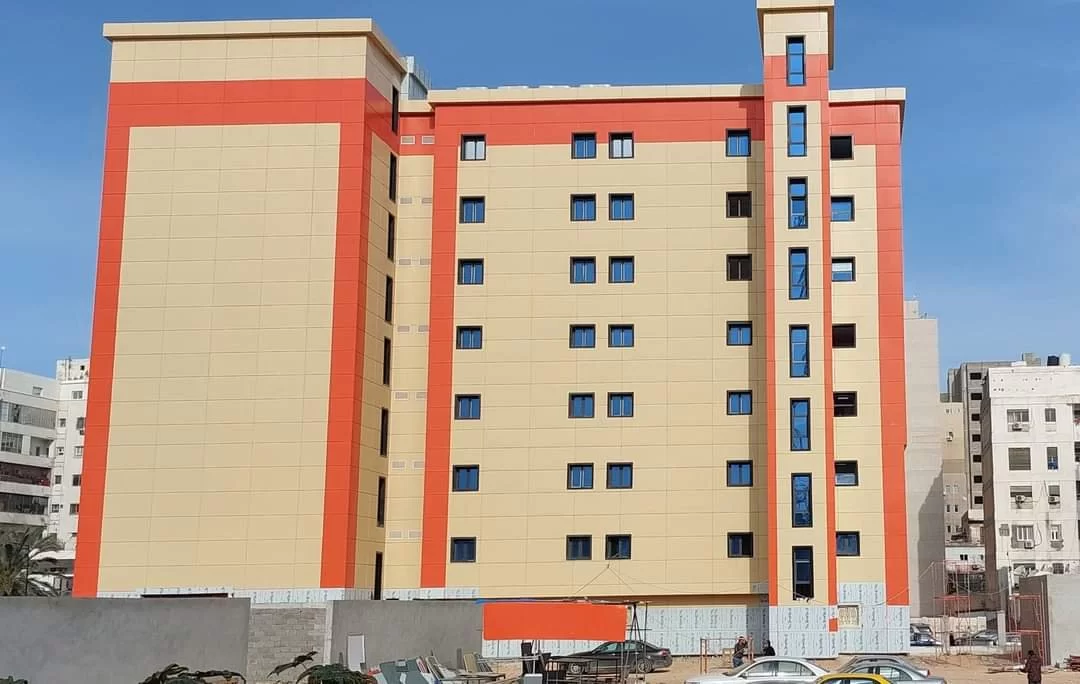
حول كلية الطب البشري

لقد تم تأسيس كلية الطب البشري في سنة 1973م، بمدينة طرابلس لتقوم بدورها المنوط بها والمتمثل في تخريج الكوادر الطبية المؤهلة، وفي سنة 1980م تم تخريج أول دفعة منها.

تعد كلية الطب البشري من أكبر كليات الجامعة وصرحاً من صروح المعرفة، بحيث أسهمت هذه الكلية خلال العقود الأربعة الماضية في إعداد وتخريج أطباء مؤهلين كان لهم الفضل بعد الله تعالى في إنجاح العمل الطبي من خلال المستشفيات المنتشرة في ربوع الوطن الحبيب لتقديم أفضل الخدمات الصحية، تضم كلية الطب البشري حالياً أكثر من 493 عضو هيئة تدريس جُلهم من العناصر الوطنية الذين كانوا من أوائل الدفعات في هذه الكلية والذين ساهموا في تقديم الخدمات الصحية اللازمة في المستشفيات والعيادات والمستوصفات.

قد تم إيفاد العديد من خريجي هذه الكلية لاستكمال دراستهم في الخارج والذين أثبتوا جدارتهم في التحصيل العلمي والسريري بشهادة العديد من الجامعات العالمية، هذا وفي الوقت الذي تسعي فيه الكلية لتفعيل برنامج الدراسات العليا في مختلف التخصصات فإنها تعمل علي تطوير مفردات مناهجها وطرق التدريس المواكبة لمتطلبات الجودة العالمية.

حقائق حول كلية الطب البشري

نفتخر بما نقدمه للمجتمع والعالم

80

المنشورات العلمية

238

هيئة التدريس

7385

الطلبة

0

الخريجون

البرامج الدراسية

درجة ماجستير
تخصص طب الأسرة والمجتمع

قريباً...

التفاصيل
المقرر الدراسي
تخصص طب الأطفالPD480

A twelve week rotation. Five weeks at Tripoli children hospital, rotating in the inpatient and outpatient departments.One week at the pediatric department –Tajoura hospital. Five weeks at Tripoli medical center, one week at university.Emphasis is on acquiring skills, and medical knowledge to be able...

التفاصيل

من يعمل بـكلية الطب البشري

يوجد بـكلية الطب البشري أكثر من 238 عضو هيئة تدريس

staff photo

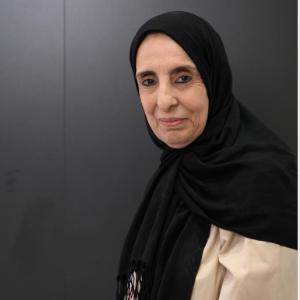
أ.د. فاتن عبد الحميد شعبان بن رجب

عميد كلية الطب البشري جامعة طرابلس استشاري طب الأطفال والغدد الصماء والسكري بمستشفى الأطفال طرابلس عضو هيئة تدريس بقسم الألأطفال كلية الطب البشري بدرجة أستاذ

منشورات مختارة

بعض المنشورات التي تم نشرها في كلية الطب البشري

Libya’da Okula Başlayan Çocuklarda Boğmaca Seroprevalansı, Kesitsel Bir Çalışma

Bulgular: 791 çocuktan (421 erkek, 370 kız, ortalama yaş 6.5) alınan örnekler test edildi. Tüm çocuklar hayatlarının ilk iki yılında 4 doz tam hücreli boğmaca aşısı ile aşılanmıştı. Yakın zamanda gerçekleşen ve gerçekleşmeyen boğmaca enfeksiyonu sıklığı sırasıyla% 4.8 ve% 2.5 idi. Çocukların% 76.1’i tespit edilemeyecek düzeyde IgG’ye sahipti. Sonuç: Çalışma boğmaca enfeksiyonun okula başlayan çocuklar arasında sık olarak geçirildiğini göstermiştir. Bu artış, okula başlama yaşındaki çocukların% 76.1’inde serumda boğmacaya karşı antikor düzeyinin tespit edilemeyecek düzeyde olmasının dolaylı bir sonucu olması ile açıklanmıştır. arabic 26 English 62
Suleiman Abusrewil, Abdulla Bashein, (1-2021)
Publisher's website

Conservative Management of Odontoid Peg Fractures, Long Term Followup

ABSTRACT We reviewed 48 consecutive patients with type II (32) and type III (16), odontoid peg fractures. The clinical & radiological outcomes were assessed over an average period of follow up of 6.8 years. Union rate was determined and we discussed several factors that may affect it. Patients were treated conservatively with initial bed rest with or without cervical skeletal traction followed by bracing for an average of 9 weeks. Results: Bony union was established in 25 of 32 (78%) type II fractures. Of 7 cases with no bony union 4 were stable probably with fibrous union. 3 remained unstable. In 13 of 16 (83%) type III fractures bony union was established. 2 of the 3 with no bony union were considered stable. Osseous non-union was higher in patients with displacement of >5mm, but there is no correlation between union and age, gender or angulation of the fracture in both types. Conclusion: non-surgical management of odontoid fractures remain a viable option in the management of these fractures arabic 9 English 60
Nabil A. Alageli(1-2017)
Publisher's website

Critical Success Factors of ISO/IEC 17025 Implementation within Arabic Countries: A Case Study of Libyan Research Centres and Laboratories - LRCL

Aim– This paper aims to review the existing literature relevant to the subject of ISO/IEC 17025 within Arabic countries and Libyan Research Centres Laboratories (LRCL), especially to the Critical Success Factors (CSFs) that effect the implementation of ISO/IEC 17025 standards. Therefore, a review of the literature revealed a major gap in studies in this area of quality standards for testing and calibration laboratories. Methodology– The aspects listed were based on a review of the literature. This paper summaries the key findings result within LRCL using SWOT and Template analysis to analyse the data collected from existing literature and LRCL data. Findings –The findings revealed that despite some organisations have faced challenges undertaking ISO/IEC 17025 implementations, many others have enjoyed the benefits that the systems have brought to the organisations. Outcomes of the research are important for Arabic and Libyan organisations implementing ISO/IEC 17025 systems and for consulting companies assisting with ISO/IEC 17025 implementation. The distribution of the current study results will lead to knowledge transfer and help organisations, among Arabic and developing countries including Libya, in the process of achieving standardisation. Originality, Value – The novelty of this research paper stems from the realisation of critical factors determining a successful implementation of ISO/IEC 17025 within research centers and Laboratories in Arabic countries and LRCL. The originality and value of this research paper is to fill the gap in knowledge in this area, which is explicit to the Arabic countries and Libya in particular. In addition, it contributes to the literature and professional practice by offering new insights into the CSFs for the implementation of ISO/IEC 17025 in Arabic countries and LRCL.
Anwar Salih Ali Al-mijrab, Maged Elmabruk Elgharib, Mohamed A. Al-Griw(5-2019)
Publisher's website