كلية الطب البشري

المزيد ...

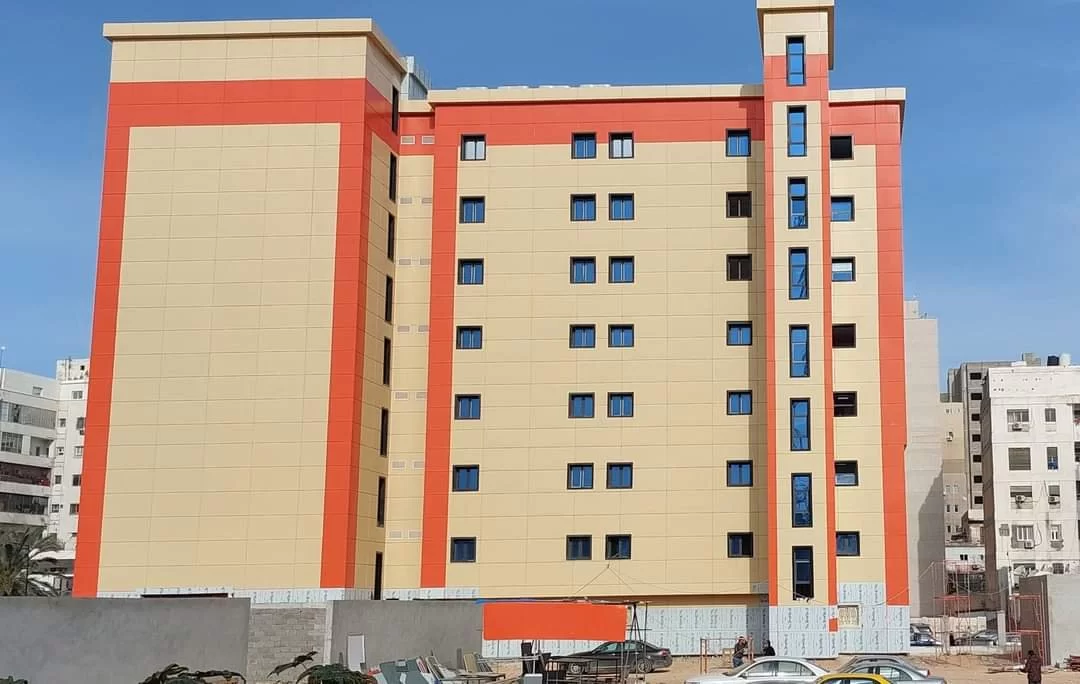
حول كلية الطب البشري

لقد تم تأسيس كلية الطب البشري في سنة 1973م، بمدينة طرابلس لتقوم بدورها المنوط بها والمتمثل في تخريج الكوادر الطبية المؤهلة، وفي سنة 1980م تم تخريج أول دفعة منها.

تعد كلية الطب البشري من أكبر كليات الجامعة وصرحاً من صروح المعرفة، بحيث أسهمت هذه الكلية خلال العقود الأربعة الماضية في إعداد وتخريج أطباء مؤهلين كان لهم الفضل بعد الله تعالى في إنجاح العمل الطبي من خلال المستشفيات المنتشرة في ربوع الوطن الحبيب لتقديم أفضل الخدمات الصحية، تضم كلية الطب البشري حالياً أكثر من 493 عضو هيئة تدريس جُلهم من العناصر الوطنية الذين كانوا من أوائل الدفعات في هذه الكلية والذين ساهموا في تقديم الخدمات الصحية اللازمة في المستشفيات والعيادات والمستوصفات.

قد تم إيفاد العديد من خريجي هذه الكلية لاستكمال دراستهم في الخارج والذين أثبتوا جدارتهم في التحصيل العلمي والسريري بشهادة العديد من الجامعات العالمية، هذا وفي الوقت الذي تسعي فيه الكلية لتفعيل برنامج الدراسات العليا في مختلف التخصصات فإنها تعمل علي تطوير مفردات مناهجها وطرق التدريس المواكبة لمتطلبات الجودة العالمية.

حقائق حول كلية الطب البشري

نفتخر بما نقدمه للمجتمع والعالم

80

المنشورات العلمية

238

هيئة التدريس

7385

الطلبة

0

الخريجون

البرامج الدراسية

درجة ماجستير
تخصص طب الأسرة والمجتمع

قريباً...

التفاصيل
المقرر الدراسي
تخصص طب الأطفالPD480

A twelve week rotation. Five weeks at Tripoli children hospital, rotating in the inpatient and outpatient departments.One week at the pediatric department –Tajoura hospital. Five weeks at Tripoli medical center, one week at university.Emphasis is on acquiring skills, and medical knowledge to be able...

التفاصيل
من يعمل بـكلية الطب البشري

يوجد بـكلية الطب البشري أكثر من 238 عضو هيئة تدريس

staff photo

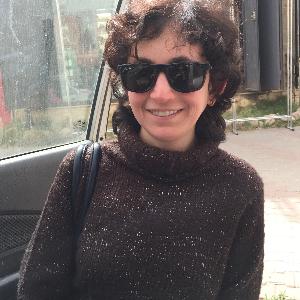
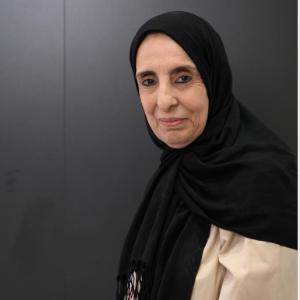
د. رحاب سعيد العربي الجربي

د.رحاب سعيد الجربي هي أحد أعضاء هيئة التدريس بقسم طب الأسرة والمجتمع بكلية الطب البشري منذ 2014. تعمل الدكتورة رحاب الجربي بجامعة طرابلس بدرجة محاضر حاليا ولها العديد من المنشورات العلمية في مجال تخصصها

منشورات مختارة

بعض المنشورات التي تم نشرها في كلية الطب البشري

Psychological status of healthcare workers during the civil war and COVID-19 pandemic: A cross-sectional study

Objective Healthcare workers, particularly those working in departments that provide care for patients with coronavirus disease 2019 (COVID-19), are at a higher risk of this contagious disease than those who work in other departments. The aim of this study was to assess the psychological status of healthcare workers during the COVID-19 outbreak, which has compounded Libya's existing civil war-related problems. Methods A multi-center cross-sectional survey on depressive symptoms, anxiety symptoms, and abuse was conducted. The Hospital Anxiety and Depression Scale (HADS) was used to measure the prevalence of anxiety and depressive symptoms among healthcare workers. Results The data of 745 eligible healthcare workers from 15 hospitals were analyzed. Depressive and anxiety symptoms were compared to the basic characteristics of the participants to determine the association. A total of 420 (56.3 … arabic 17 English 93
Muhammed Elhadi, Ahmed Zaid(1-2020)
Publisher's website

Effect of active cigarettes smoking, water-pipe smoking and snuff (naffa) inhalation on BMI, lipid profile, and plasma glucose. A case control study of Libyan males

Objectives: Tobacco use in all its forms represents a very well-known preventable risk factor for cardiovascular diseases (CVD). Alteration of plasma lipids levels is one of the mechanisms by which it causes CVD. In addition, there are controversial reports linking tobacco use with diabetes. This case-control study is aiming to investigate the interrelationship between tobacco use and BMI, lipid profile, and plasma glucose in Libyans residing in Tripoli region. Methods: The study was conducted on 200 healthy male subjects, including, 50 non-smokers aged 40.98±8.07, 50 cigarette smokers aged 41.32±7.39, 50 water-pipe users aged 42.04±7.39, and 50 snuff inhalers aged 39.36±7.00. BMI was estimated as (kg/m 2), lipid profile and fasting plasma glucose were estimated in triplicate by enzymatic colorimetric method and expressed as (mg/dL). Results: Our results showed that BMI is significantly higher in tobacco users than non-smokers (P 0.0001). Total cholesterol and triacylglycerols are significantly higher in tobacco users (P 0.0001). HDL is significantly higher in non-smokers (P 0.0001). LDL not affected by tobacco use (P 0.32). Fasting plasma glucose significantly higher in tobacco users (P 0.0001). Conclusions: In conclusion, tobacco use affects the BMI, lipid profile, and glucose which are components of the metabolic syndrome in the Libyan males population. arabic 31 English 133
H Alemam, Abdulla Bashein, (1-2015)
Publisher's website

Environmentally toxicant exposures induced intragenerational transmission of liver abnormalities in mice

Environmental toxicants such as chemicals, heavy metals, and pesticides have been shown to promote transgenerational inheritance of abnormal phenotypes and/or diseases to multiple subsequent generations following parental and/ or ancestral exposures. This study was designed to examine the potential transgenerational action of the environmental toxicant trichloroethane (TCE) on transmission of liver abnormality, and to elucidate the molecular etiology of hepatocyte cell damage. A total of thirty two healthy immature female albino mice were randomly divided into three equal groups as follows: a sham group, which did not receive any treatment; a vehicle group, which received corn oil alone, and TCE treated group (3 weeks, 100 μg/kg i.p., every 4th day). The F0 and F1 generation control and TCE populations were sacrificed at the age of four months, and various abnormalities histpathologically investigated. Cell death and oxidative stress indices were also measured. The present study provides experimental evidence for the inheritance of environmentally induced liver abnormalities in mice. The results of this study show that exposure to the TCE promoted adult onset liver abnormalities in F0 female mice as well as unexposed F1 generation offspring. It is the first study to report a transgenerational liver abnormalities in the F1 generation mice through maternal line prior to gestation. This finding was based on careful evaluation of liver histopathological abnormalities, apoptosis of hepatocytes, and measurements of oxidative stress biomarkers (lipid peroxidation, protein carbonylation, and nitric oxide) in control and TCE populations. There was an increase in liver histopathological abnormalities, cell death, and oxidative lipid damage in F0 and F1 hepatic tissues of TCE treated group. In conclusion, this study showed that the biological and health impacts of environmental toxicant TCE do not end in maternal adults, but are passed on to offspring generations. Hence, linking observed liver abnormality in the offspring to environmental exposure of their parental line. This study also illustrated that oxidative stress and apoptosis appear to be a molecular component of the hepatocyte cell injury.
Mohamed A. Al-Griw , Soad A. Treesh, Rabia O. Alghazeer, Sassia O. Regeai (7-2017)
Publisher's website