قسم الترجمة والتعريب

المزيد ...

حول قسم الترجمة والتعريب

استحدث قسم الترجمة في كلية اللغات / جامعة طرابلس اعتباراً من مطلع العام الجامعي 2008 م، ثم صار جزء من كلية اللغات بعد انبعاثها وولادتها من جديد،  وجاء تأسيس القسم نظرا للحاجة الماسة لتوفير المترجمين المؤهلين في كافة مجالات الترجمة التحريرية والشفوية وخدمة المؤتمرات والندوات ولتشجيع حركة النقل من اللغات الأجنبية إلى العربية وبالعكس، وقد تم تخريج الدفعة الأولى من طلبة القسم في نهاية العام الجامعي 2012م.

وكانت البداية مقتصرة على النقل من الإنجليزية وإليها ويسعى القسم حاليا إلى إدخال اللغة الفرنسية اعتبارا من الفصل الدراسي خريف 2015م، كما يطرح القسم من خلال طلبته،  أنشطة في الترجمة تخدم المؤسسات الوطنية والشركات والسفارات الأجنبية في طرابلس.

ويقوم على التدريس في القسم حاليا اثني عشر عضو من أعضاء هيئة تدريس من خريجي الجامعات البريطانية والأكاديمية الليبية (1) بدرجة أستاذ  و(1) بدرجة أستاذ مشارك و(1)بدرجة أستاذ مساعد(2) بدرجة محاضرو(7) بدرجة مساعد محاضر من المتخصصين في حقل الترجمة. كما يضم القسم عدد (4) أربعة أعضاء بدرجة مساعد محاضر موفدين للدراية ببريطانيا وعدد (19) تسعة عشر معيد سوف يتم إيفادهم لاستكمال الدراسة بالجامعات الغربية المرموقة في تخصصات الترجمة وتكنولوجيا الترجمة وذلك لتلبية حاجة القسم ولتحقيق طموحاته المستقبلية. 

حقائق حول قسم الترجمة والتعريب

نفتخر بما نقدمه للمجتمع والعالم

19

المنشورات العلمية

13

هيئة التدريس

686

الطلبة

0

الخريجون

من يعمل بـقسم الترجمة والتعريب

يوجد بـقسم الترجمة والتعريب أكثر من 13 عضو هيئة تدريس
staff photo

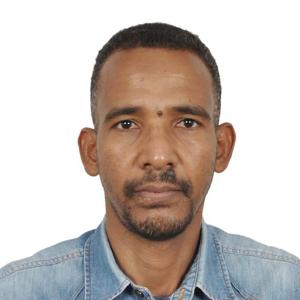
أ. مصطفي عبدالله عبدلرحمن بشير

محاضر في دراسات الترجمة يعمل بجد وإجتهاد، يركز على خلق بيئة إيجابية يمكن للطلاب التعلم فيها. يركز على دمج المعرفة متعددة التخصصات المدعومة بأمثلة من الحياة الواقعية في الفصل الدراسي لإشراك الطلاب من مختلف توجهات التعلم. مهتم بتطوير مهنة تجمع بين التدريس والبحث ، مع الحفاظ على المشاركة المجتمعية العامة في جوانب مختلفة.

منشورات مختارة

بعض المنشورات التي تم نشرها في قسم الترجمة والتعريب

Using Address Terms in showing Politeness with Reference to Their Translation from Arabic into English

This paper aims to investigate the translation of address terms between Arabic and English. Those terms belong to different systems in both languages. Certain characteristics of an address term in one culture tend to be lost when translated into another. Therefore, politeness theory will be used in order to find out whether the politeness intended by using an address term is transferred into the target language or not. For this study, a number of address terms are selected from a novel, Madiq Alley. Those terms are delivered to a number of subjects in a questionnaire. The analysis points out the use of such systems and how each system applies different politeness strategies to show respect and deference. The findings indicate that some patterns of face-work are lost in the translation process and that the relational terms of address are more challenging to translate than the absolute ones.
Hamza Ethelb(7-2015)
Publisher's website

SEMANTIC/SYNTACTIC DISHARMONY & IMPLICATIONS ON QUALITY OF TRANSLATING MEDICAL TEXTS

This paper aims at identifying aspects of disharmony between semantic and syntactic features that result in meaningless medical translated sentences. A special focus is given to Chomsky’s Transformational Generative Theory (T.G. Grammar) that extrapolates the correlation between deep structure (which determines the semantic features of a sentence) and the surface structure (which determines the syntactic structure of a sentence), putting in consideration the importance of achieving harmony between meaning and structure to produce meaningful and accurate translation of the source text (ST) resulting in an acceptable final product (target Text). The investigation of this study also relies on the concept of ‘Selectional Restrictions’ which suggests that certain sets of verbs stand with agreement with certain sets of subjects/objects that subsequently lead to the production of semantically acceptable sentences. Accordingly, it is imperative to touch upon aspects related to the Componential Analysis Theory where the meaning of a word is expressed with the assistance of (+) and (-) markers. I consider this study to be unique and innovative as it applies such prominent semantic theories, for the first time, with the craft of translation, offering real concrete examples extracted from practical translation tasks performed by students of Translation Dept., Faculty of Languages- University of Tripoli. Worth mentioning, that a piece of a translation is proved to be correct when semantic/syntactic harmony is achieved and where the message of the source text (ST) is being effectively communicated in the target text (TT). On the contrary, any disharmony between deep/surface structures found would seriously undermine the quality and correctness of a translation product. Key Words: Source Text (ST) - Target Text (TT) – Deep Structure – Surface structure - Selectional restrictions arabic 11 English 73
ثريا البشير محمد الويفاتي(12-2020)
Publisher's website

Pym’s ‘Translation Archaeology & Application; his Intercultural Model (EN)

While approaches related to Descriptive Translation Studies are mainly designed to analyze translated work (the product), Anthony Pym’s approach to Translation archeology, humanization and the intercultural model tends to produce much more focus on translators (the producers) and the context in which those translators worked within or what Pym calls ‘intercultural space’, a concept used to denote to a cross-cultural/ multicultural social space. This paper is to reflect this intercultural model over Al-Andalus, the Arabic name for the Islamic Iberian Peninsula, where the Arabs settled for four centuries bringing with them their own social, political and cultural framework study and where the Arab Islamic culture had flourished. Based on this model, the research is to spot light on the ‘human translator’, address questions such as why such translations were produced in this particular place and time ‘the social causation’, the nature of the relationship of those translators to their patrons and clients their ‘social entourage’ (Pym1998) and to spot light on the social roles played by translators in mediating between cultures and the transmission of Arabic knowledge/science to Europe during the Medieval ages. I believe that putting focus on Pym’s archeology of translation would provide guidance for two types of translation historians: researchers who are interested in intercultural and interdisciplinary collaboration and those who study regional histories that have received little attention by scholars of translation, besides providing us with answers to what translation can tell us about a given historical context. On the other hand, the analysis of this period in specific would help bring this important era of translation history out from the shadows and give it the visibility that it deserves. arabic 19 English 60
Thuraya Bashir El-Wifati(12-2017)
Publisher's website