قسم الترجمة والتعريب

المزيد ...

حول قسم الترجمة والتعريب

استحدث قسم الترجمة في كلية اللغات / جامعة طرابلس اعتباراً من مطلع العام الجامعي 2008 م، ثم صار جزء من كلية اللغات بعد انبعاثها وولادتها من جديد،  وجاء تأسيس القسم نظرا للحاجة الماسة لتوفير المترجمين المؤهلين في كافة مجالات الترجمة التحريرية والشفوية وخدمة المؤتمرات والندوات ولتشجيع حركة النقل من اللغات الأجنبية إلى العربية وبالعكس، وقد تم تخريج الدفعة الأولى من طلبة القسم في نهاية العام الجامعي 2012م.

وكانت البداية مقتصرة على النقل من الإنجليزية وإليها ويسعى القسم حاليا إلى إدخال اللغة الفرنسية اعتبارا من الفصل الدراسي خريف 2015م، كما يطرح القسم من خلال طلبته،  أنشطة في الترجمة تخدم المؤسسات الوطنية والشركات والسفارات الأجنبية في طرابلس.

ويقوم على التدريس في القسم حاليا اثني عشر عضو من أعضاء هيئة تدريس من خريجي الجامعات البريطانية والأكاديمية الليبية (1) بدرجة أستاذ  و(1) بدرجة أستاذ مشارك و(1)بدرجة أستاذ مساعد(2) بدرجة محاضرو(7) بدرجة مساعد محاضر من المتخصصين في حقل الترجمة. كما يضم القسم عدد (4) أربعة أعضاء بدرجة مساعد محاضر موفدين للدراية ببريطانيا وعدد (19) تسعة عشر معيد سوف يتم إيفادهم لاستكمال الدراسة بالجامعات الغربية المرموقة في تخصصات الترجمة وتكنولوجيا الترجمة وذلك لتلبية حاجة القسم ولتحقيق طموحاته المستقبلية. 

حقائق حول قسم الترجمة والتعريب

نفتخر بما نقدمه للمجتمع والعالم

19

المنشورات العلمية

13

هيئة التدريس

686

الطلبة

0

الخريجون

من يعمل بـقسم الترجمة والتعريب

يوجد بـقسم الترجمة والتعريب أكثر من 13 عضو هيئة تدريس
staff photo

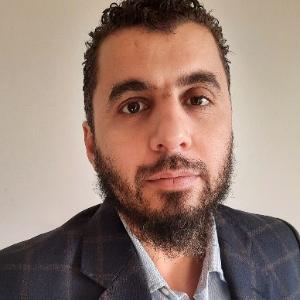
أ. مصطفي عبدالله عبدلرحمن بشير

محاضر في دراسات الترجمة يعمل بجد وإجتهاد، يركز على خلق بيئة إيجابية يمكن للطلاب التعلم فيها. يركز على دمج المعرفة متعددة التخصصات المدعومة بأمثلة من الحياة الواقعية في الفصل الدراسي لإشراك الطلاب من مختلف توجهات التعلم. مهتم بتطوير مهنة تجمع بين التدريس والبحث ، مع الحفاظ على المشاركة المجتمعية العامة في جوانب مختلفة.

منشورات مختارة

بعض المنشورات التي تم نشرها في قسم الترجمة والتعريب

Lexical & Syntactic Characteristics of English Legal Texts & Methodology of Achieving Translation Equivalence in Target Language

Legal translation is considered as part of the technical translation in the field of law. Legal discourse is characterized by the presence of a wide-range terminology which is easy to people familiar with it and difficult to those who are unfamiliar with and with its unique lexical/syntactic features. Translators of legal-related material are expected to hold knowledge of the characteristics of such discourse and methods for achieving equivalence in the target language. This paper is to put focus on the common lexical and syntactic problematic aspects of English legal texts, and to spot light on the methodology of legal translation & process of achieving equivalencein target language, with special reference to functional equivalence being suggested by many theoreticians for reproducing the „legal effect‟ in the target text while preserving the fidelity of the source.Text-foreignization /domestication strategies,the intersemiotic and intrasemiotic translation procedures and the principle of fidelity to the source legal text are some other aspects to be tackled arabic 18 English 110
Thuraya Bashir El-Wifati(2-2018)
Publisher's website

Teaching English to Adult Learners: APractical Remedial Method

This study explores the particularities of teaching English to adult learners. It looks at whether adult learners’ comprehension of lessons is slowed down by factors of teaching style orclassroom settings. The study uses a questionnaire to collect views of adult learners from the Libyan context. The questionnaire that contains 37 statements measures different aspects of teaching English. It was delivered online using Google Forms. Those aspects include teaching style, preferences of correcting mistakes, willingness of cooperation among adult learners, self-dependenceand self-confidenceof learners, and preferred techniques to learninggrammar and vocabulary. This study also offers a remedial method that is inferred from the experience of the researchers and supported by the results of the data. The results show that adult learners have differentperception towards acquiring a foreign language. They agree that they need to better theirlearning input. The suggested remedial process could be an answer to their needs.
Hamza Ethelb(10-2020)
Publisher's website

Hidden Hands: An Institutional Force in Political News Translation

This article explores translation in news institutions. While being heavily relied on by media organizations, translation is rarely acknowledged. Translation is deeply interwoven with news in that it is used to employ ideological tendencies and political agendas. This study investigates the powerful role of media institution as a force that intervenes in producing news reports. It uses a questionnaire and interviews to see the influence of editors in the translation of news texts. For this purpose, the views of 21 news translators, journalists and news were surveyed to infer the role of institutions in translation. The study looks at this role from different angles including translator training, instructions given to translators, textual alterations, and policies of news institutions. The findings indicate that intervention by the editors and producers on translation is taking place. The interview participants tend to agree with the intervention of the institution. The questionnaire respondents agree with the statement that translators are given instructions to use specific terminology but disagree with a statement that they have to comply with the policies of the institution.
Hamza Ethelb(5-2020)
Publisher's website