قسم هندسة البرمجيات

المزيد ...

حول قسم هندسة البرمجيات

مع تطور التكنولوجيا وزيادة حجم البرمجيات يتطلب انجاز المشاريع البرمجية الكبيرة عمل المبرمجين في فرق كبيرة تعمل معا لانجاز مشروع برمجي محدد , يتطلب العمل الجماعي في مجال البرمجيات قدرات هندسية خاصة تختص بتطوير البرمجيات. 

لمواكبة هذا التطور تـم تأسيس قسم هندسة البرمجبات مع بداية تأسيس الكلية في سنة 2008 وذلك نظرا للاهمية الملحة لوجود مثل هذا القسم والذي  يهدف القسم الى إعداد الكوادر القادرة على إداء انجاز المشاريع البرمجية بالطرق الهندسية المعمول بها في هذا المجال مثل التحليل وتحديد المتطلبات والتصميم وإدارة المشاريع وتأكيد الجودة وغيرها.

ساهم هذا القسم بالفعل في تخريج اكثر من 200 مهندس مع نهاية فصل الربيع للعام الدراسي 2019.  ويفتخر القسم بكافة الخريجين لما أبدوه من آداء ممتميز في الجهات العامة  والشركات الخاصة. حاليا تصل نسبة التوظيف لخريجي القسم اكثر من 90% ومعظم الطلبة يتحصلون على وظائف او يؤسسون شركات خاصة قبل تخرجهم.

حقائق حول قسم هندسة البرمجيات

نفتخر بما نقدمه للمجتمع والعالم

29

المنشورات العلمية

12

هيئة التدريس

99

الطلبة

101

الخريجون

البرامج الدراسية

بكالوريوس في تقنية المعلومات
تخصص هندسة البرمجيات

يهدف البرنامج الى إعداد الكوادر القادرة على إداء انجاز المشاريع البرمجية بالطرق الهندسية المعمول بها في هذا المجال مثل التحليل وتحديد المتطلبات والتصميم وإدارة المشاريع وتأكيد الجودة وغيرها. ويحتوي على المقررات الدراسية العامة التي تضع الاساس لطالب تقنية المعلومات يدرسها...

التفاصيل

من يعمل بـقسم هندسة البرمجيات

يوجد بـقسم هندسة البرمجيات أكثر من 12 عضو هيئة تدريس

staff photo

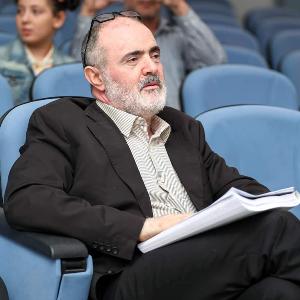
د. رضوان علي بلقاسم حسين

د. رضوان حسين أستاذاً مشاركاً وكيل الشؤون العلمية لكلية تقنية المعلومات بجامعة طرابلس. د. رضوان له العديد من المنشورات العلمية في مجال تخصصه ومجالات أخرى. كان الدكتور رئيساً لقسم هندسة البرمجيات لمدة أربع أعوام جامعية من خريف 2013 إلى نهاية ربيع 2017, وكان أيضاً رئيس فريق تطوير منهج القسم ضمن لجنة تطوير مناهج كلية تقنية المعلومات. هو عضو مؤسس في الجمعية الليبية للاستشعار عن بعد ونظم المعلومات الجغرافية, وهو عضو بجمعية أمل الغد لأطفال التوحد, و عضو مؤسس في جمعية السلامة لأعمال مخلفات الحروب. يهتم د. رضوان بنمذجة الأنظمة المركبة (المعقدة) والذكاء الاصطناعي, معالجة الصور والوسائط المتعددة, وتطوير نظم المعلومات الجغرافية.

منشورات مختارة

بعض المنشورات التي تم نشرها في قسم هندسة البرمجيات

Vulnerabilities of Biometric Authentication “Threats and Countermeasures”

Biometric systems have a powerful potential to provide security for a variety of applications, systems are nowadays being introduced in many applications and have already been deployed to protect personal computers, Banking machines, credit cards, electronic transactions, airports, high security institutions like nuclear facilities, Military Bases and other applications like borders control, access control, sensitive data protection and on-line tracking systems. While biometrics may improve security in different environments and serve many purposes, biometric systems, like any other security system, have vulnerabilities and are susceptible to threats. they are susceptible to external vulnerabilities of biometric systems so that their weaknesses can be found and useful countermeasures against foreseeable attacks can be developed The increasingly high profile use of biometrics for security purposes has provoked new interest in researching and exploring methods of attacking biometric systems.
Abdulmonam Omar Ahmed Alaswad, Ahlal H. Montaser, Fawzia Elhashmi Mohamad(0-2014)
Publisher's website

Survey on Academic Staff Awareness of Open Educational Resources

Open Educational Resources become an important asset for many educational institutions. In this paper we report the analysis of our survey data on using open educational resources at the University of Tripoli (UoT) among the academic staff members. The survey data was collected electronically to assess the awareness and usage of open educational resources within the University of Tripoli. Results of our survey reveal that 90% of academic staff members surveyed are using open educational resources, but they are not contributing much to OER due to lack of support from university
Abdusalam F. Ahmad Nwesri(5-2019)
Publisher's website

Enhanced Techniques 3D Integral Images Video Computer Generated

The main purpose of this paper is to introduce some techniques to overcome 3D missing information visual artefacts problem, holes and blank regions between 3D integral images (holoscopic images) frames encountered with the computer generated 3D integral image, pixel-tracing styles is proposed to achieve a higher performance of generating 3D integral images in terms of execution time, Z-buffer and correct occlusion scheme is also introduced to overcome visual artefact. The methods are based on a 3D integral images ray-tracer containing 3D integral images parser, 3D integral camera model, a 3D integral images renderer and scene transformations. Consequently, fast sequences of 3D integral image frames for animations purposes are generated, experimental results show validation of the strategies to fill in the 3D missing pixels and test on different scenes, improvement in terms of execution time depends on the complexity of the scene is achieved.
Dr. Mahmoud Geat Eljadid, Prof. Amar Aggoun, Dr. Osama Hassan Youssef(1-2014)
Publisher's website