قسم الكيمياء

المزيد ...

حول قسم الكيمياء

قسم الكيمياء أحد الاقسام العلمية بكلية التربية طرابلس يمنح الطالب الدارس به درجة البكالوريوس في علوم الكيمياء بعد اتمامه الوحدات الدراسية(141وحدة دراسية) متضمنة عدد من المواد النظرية والعملية المتعلقة بعلم الكيمياء وكذلك بعض المواد التربوية التي تؤهل الطالب للعمل في مجال التدريس ويضم قسم الكيمياء عدد ستة أعضاء هيئة تدريس بالاضافة الي أستاذة موفدة بالخارج وثلاثة معيدين ويقدر عدد الطلاب الدارسين به 200 طالب.

حقائق حول قسم الكيمياء

نفتخر بما نقدمه للمجتمع والعالم

34

المنشورات العلمية

7

هيئة التدريس

135

الطلبة

0

الخريجون

البرامج الدراسية

بكالوريس في العلوم والتربية
تخصص الكيمياء

المقررات الدراسية متسلسلة ومتكاملة ولها صفة التدرج العلمي المنهجي فيما بينها، وتكون دراسة بعض المقررات معتمدة أساساً على مقررات سابقة يتعين اجتيازها بنجاح، ولا يسمح للطالب بالانتظام في دراسة مقرر ما إلا إذا اجتاز بنجاح المقررات الدراسية السابقة التي يعتمد عليها المقرر...

التفاصيل

من يعمل بـقسم الكيمياء

يوجد بـقسم الكيمياء أكثر من 7 عضو هيئة تدريس
staff photo

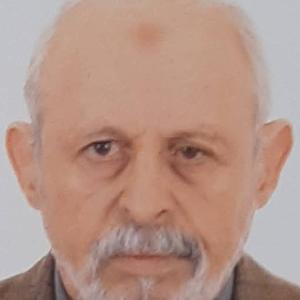
د. رجب علي المختار عيسى

رجب علي المختار عيسى هو احد اعضاء هيئة التدريس بقسم الكيمياء بكلية التربية طرابلس. يعمل السيد رجب المختار بجامعة طرابلس كـمحاضر منذ 2013-10-07 وله العديد من المنشورات العلمية في مجال تخصصه

منشورات مختارة

بعض المنشورات التي تم نشرها في قسم الكيمياء

تقدير تركيز فيتامين c في عينات من أصناف البرتقال والليمون بالطرق الحجمية

أجري هذا البحث لتقدير فيتامين C في العصائر الطازجة لبعض عينات الليمون والبرتقال المحلي، وتم تقدير تركيز الفيتامين بطريقة المعايرة باستخدام محلول اليود القياسي وأظهرت نتائج هذا البحث أن كمية الفيتامين تختلف باختلاف العينة وحتى في عينات نفس النوع حيث وجد أن تركيز فيتامين C بوحدة mg/100ml لعينتين من نفس النوع للبرتقال الدمي (37- 76 ) وبرتقال أبوسرة (33- 64 ) وللبرتقال الحلو (28-40 ) ولليوسفي ( 17-28 ) وللبرتقال المر (24.7-48 ) وللبرتقال الحامض (31- 58 ) والليمون ( 21-41 ). وأعلى تركيز كان لعينة البرتقال الدمي وأقل تركيز لعينة الليمون.
عزالدين ابوشلوع(6-2021)
Publisher's website

Reversibility in radionuclide/bentonite bulk and colloidal ternary systems

Ternary systems of 152Eu(III), bulk bentonite and ethylenediaminetetraacetic acid (EDTA) ([Eu] = 7.9 × 10⁻¹⁰ M; pH = 6.0–7.0) have been studied. Without EDTA, there was slow uptake in a two-stage process, with initial rapid sorption of Eu(III) (96%), followed by slower uptake of a much smaller fraction (3.0% over a period of one month). The reversibility of Eu(III) binding was tested by allowing Eu(III) to sorb to bentonite for 1–322 days. EDTA was added to the pre-equilibrated Eu bentonite systems at 0.01 M, a concentration that was sufficient to suppress sorption in a system where EDTA was present prior to the contact of Eu(III) with bentonite. A fraction of the Eu was released instantaneously (30‒50%), but a significant amount remained bound. With time, the amount of Eu(III) retained by the bentonite reduced, with a slow fraction dissociation rate constant of approximately 4.3 × 10⁻⁸ s−1 (values in the range 2.2 × 10⁻⁸ – 1.0 × 10⁻⁷ s−1) for pre-equilibration times ≥7 days. Eventually, the amount of Eu(III) remaining bound to the bentonite was within error of that when EDTA was present prior to contact (4.5% ± 0.6), although in systems with pre-equilibration times >100 days, full release took up to 500 days. Europium interactions with colloidal bentonitewere also studied, and the dissociation rate constant measured by a resin competition method. For the colloids, more Eu was found in the slowly dissociating fraction (60–70%), but the first-order dissociation rate constant was faster, with an average rate constant of 8.8 × 10⁻⁷ s−1 and a range of 7.7 × 10⁻⁷–9.5 × 10⁻⁷ s−1. For both bulk and colloidal bentonite, although slow dissociation was observed for Eu(III), there was no convincing evidence for ‘irreversible’ binding.
RAGIAB ISSA(1-2021)
Publisher's website

Spectrophotometric determination of iron in dietary supplements in Libyan market

In most cases dietary supplements especially in Libya are consumed without prescriptions and the public has very limited any awareness of their health risk. The lack of quality control on numerous brands of dietary supplements in pharmacies of Libya today may result in a serious health problem. The aim of this study is to determine the iron content using a fast and accurate method for quality control of some imported dietary supplements, based on spectrophotometric measurement of iron after complexation with 1, 10-phenanthroline in an acidic medium. Eight types of vitamin supplementary tablets were randomly collected from the Libyan market and analyzed for the iron content. The analysis showed an average value of 61mg Fe/pill for the range of 40.07-112.63 mg Fe/pill. Results showed that 75% of the samples were lower in iron content than that recorded on the dietary products. arabic 9 English 71
ezuldeen mohammed abraheem aboushalloua(1-2020)
Publisher's website