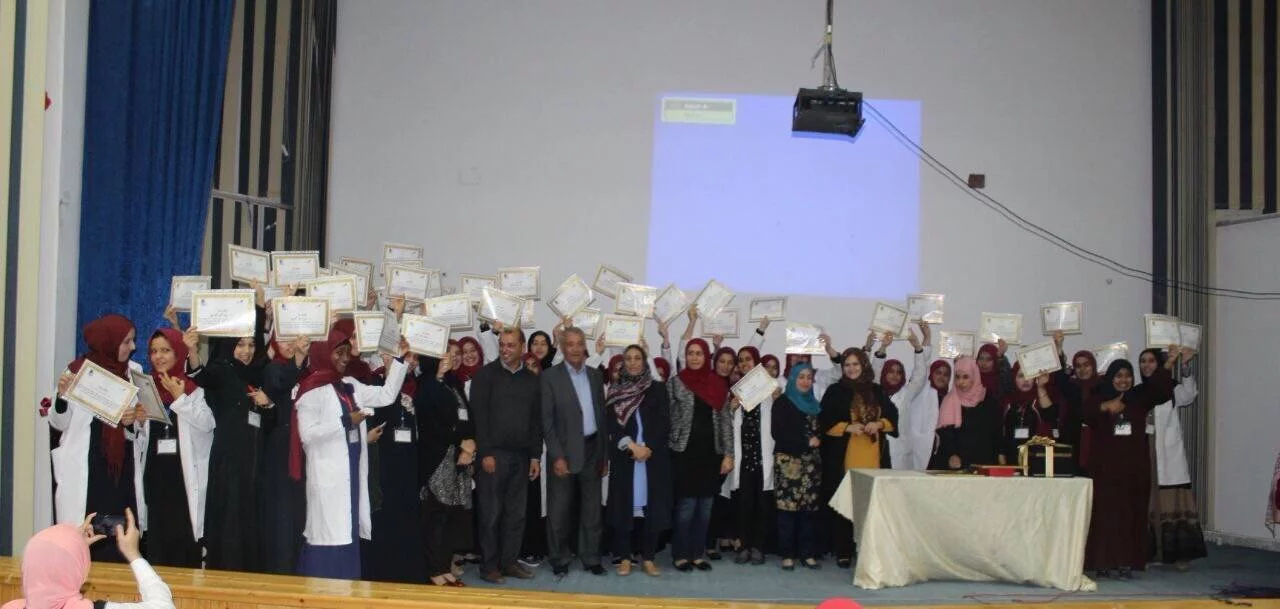
قسم الاحياء

المزيد ...

حول قسم الاحياء

قسم الأحياء هو أحد أقسام كلية التربية / طرابلس بجامعة طرابلس والـــــــــــذي تأسس سنة 2006-2005، و يتمتع قسم الأحياء ومنذ تأسيسه بسمعة علمية متميزة ضمن جامعة طرابلس. وبشكل عام فإن القسم يكرس الإمكانيات للحفاظ على أعلى مستوى علمي حيث يقوم القسم بتوفير برنامج دراسي و بحثي واسع ضمن تخصص علم الأحياء وذلك لتوفير الفرص العلمية لطلبته العازمين بجد للحصول على درجة البكالوريوس منه.  هذا بالإضافة لإنجاز العديد من البحوث العلمية في مختلف حقول علم الأحياء.

 إن المواضيع التي تدرس بقسم الأحياء تؤهل الخريجين للعمل كبيولوجيين حيثما تبرز الحاجة لهم في ميادين العمل وخاصة مجال التدريس بوزارة التربية والتعليم وكذا المجال الطبي والزراعي والصناعي. و تتضمن المقررات المعطاة المواضيع الأساسية في علم الأحياء مثل: علم الحيوان وعلم النيات و علم وظائف الأعضاء وعلم تصنيف النبات وعلم الوراثة و علم البيئة وعلم الطفيليات و علم الأجنة والعديد من العلوم الأخرى. وقد أخذ قسم الأحياء على عاتقه إعداد وتوفير احتياجات المجتمع من معلمين مؤهلين علمياً وتربوياً وفق برنامج أكاديمي متكامل يخضع للوائح وقوانين جامعة طرابلس, واللوائح الخاصة بكلية التربية طرابلس.

حقائق حول قسم الاحياء

نفتخر بما نقدمه للمجتمع والعالم

14

المنشورات العلمية

16

هيئة التدريس

299

الطلبة

0

الخريجون

البرامج الدراسية

بكالوريوس في العلوم والتربية
تخصص الاحياء

البرنامج الأساسي لقسم الأحياء متمثل في منح الطلاب المتخرجين درجة البكالوريوس، ولا يحوي قسم الأحياء إلى الآن برنامجاً للماجستير أو الدكتوراه، ومن أبرز النقاط المعتمد عليها البرنامج الدراسي (البكالوريوس) بقسم الأحياء، كالتالي:·    الدراسة بالقسم بنظام ( الفصل الدراسي) بعدد...

التفاصيل

من يعمل بـقسم الاحياء

يوجد بـقسم الاحياء أكثر من 16 عضو هيئة تدريس

staff photo

أ. سارة عبد العزيز ابراهيم بن زقلام

سارة بن زقلام هي احد اعضاء هيئة التدريس بقسم الاحياء بكلية التربية طرابلس. تعمل السيدة سارة بن زقلام بجامعة طرابلس كـمحاضر من 2018 ولها العديد من المنشورات العلمية في مجال تخصصها

منشورات مختارة

بعض المنشورات التي تم نشرها في قسم الاحياء

Hamza, A., & Ho, W. C. (2020). Updates on seabirds of the northern Seribuat Islands, Pahang, Malaysia. Marine Ornithology, 48, 1-7.

Because of a lack of systematic surveys since the 1950s, information on seabird diversity and the status of seabird colonies along the east coast of Peninsular Malaysia is mostly outdated. The Seribuat Archipelago is composed of many islands, which are located off Pahang state in the north and Johor state in the south. The northern section of the archipelago was surveyed during July-September 2017 to document active seabird colony sites and to assess species richness and the potential threats facing these colonies. Seven islands were found to host significant numbers of terns (Black-naped Terns Sterna sumatrana, Bridled Terns Onychoprion anaethetus, Greater Crested Terns Thalasseus bergii, Lesser Frigatebirds Fregata ariel, and other bird species. We provide details of each site and its suitability for seabirds. Pulau Labas and Pulau Tokong Bahara have the highest species richness (five species each) followed by Pulau Tokong Burung and Pulau Gut (four species each). Tokong Burung (made up of three islands) hosts the largest colony of Bridled Terns in the region, with more than 10 000 pairs estimated, making it one of the largest colonies of the species in Southeast Asia. Egg harvesting by local fishermen, human disturbance, marine litter, and oil pollution are the main threats to seabirds in the Seribuat Archipelago. We make recommendations regarding measures needed for further protection of the area.
Abdulmula Abdumagid Alhadi Hamza(4-2020)
Publisher's website

عزل الفطريات المرافقة لشعر فروة رأس الأطفال

شملت الدراسة مجموعة من تلاميذ إحدى المدارس الابتدائية في منطقة سوق الجمعة\ طرابلس في الفترة مابين شهري (يناير- فبراير)، وتم استهداف91 عينة تعود لـ 46 تلميذ من الذكور و45 تلميذة من الإناث تراوحت أعمارهم ما بين 7-10 سنوات، وذلك لغرض التعرف على الفطريات المصاحبة لشعر(فروة) الرأس، وتم التعرف على أربعة عشر من الفطريات التي تنتمي إلى تحت الأقسام (Sub Divisions) الآتية: Zygomycotina(1)، Ascomycotina(2)، Deuteromycotina(11)، وكانت أكثر الفطريات شيوعاً عند الأطفال (التلاميذ) هو فطر Candida albicans ( 37.36%) ثم يليه كلاً من فطر P.chrysogenum و A. alternate وCladosporium sp. ( 24.18%) لكل منهم. كان أكثر الفطريات شيوعاً عند الأطفال (التلاميذ) من الإناث فطرA. Alternate (35.56%) يليه فطر P.chrysogenum (26.67%)، بينما في الأطفال (التلاميذ) من الذكور فكان الفطر الأكثر شيوعاً فطر Candida albicans (54.35%) ويليه فطر Cladosporium sp. (30.43%). arabic 80 English 0
هدى ميلاد محمد بن زائد, أمال مصطفي ميلاد انبيه(3-2017)
Publisher's website

Clusa, M., Carreras, C., Cardona, L., Demetropoulos, A., Margaritoulis, D., Rees, A.F., Hamza, A.A., Khalil, M., Levy, Y., Turkozan, O. and Aguilar, A., 2018. Philopatry in loggerhead turtles Caretta caretta: beyond the gender paradigm. Marine Ecology Progress Series, 588, pp.201-213.

ABSTRACT: Marine turtles have been traditionally considered model organisms to study sex-biased behaviour and dispersal. Although female philopatry has been identified in the loggerhead turtle, with adult females returning to specific locations to nest, studies on the philopatry and breeding migrations of males remain limited. In this study we analysed 152 hatchlings using 15 microsatellite markers. Each individual came from a different nest from samples taken at 8 nesting grounds in the Mediterranean. Our results revealed the existence of 5 genetically differentiated units, mostly due to restricted gene flow for both sexes. This supports existing satellite tracking studies that suggest that mating occurs close to nesting grounds in this region. The 5 management units identified within the Mediterranean included nesting grounds from (1) Libya and Cyprus, (2) Israel, (3) Lebanon, (4) Turkey and (5) Greece. The genetic similarity between distant nesting areas (i.e. Libya and Cyprus) suggests the presence of a more complex pattern of breeding behaviour. Three possible hypotheses, that remain to be tested in future studies, could explain this result: (1) mating might take place in common foraging grounds; (2) mating could occur en route while migrating to/from the breeding grounds; or (3) recent colonisation events could connect the 2 nesting grounds. Overall, our work suggests that widespread male-mediated gene flow between loggerhead nesting grounds is likely to have been previously overstated although opportunistic breeding patterns might connect some widely separated areas.
Abdulmula Abdumagid Alhadi Hamza(1-2022)
Publisher's website