Department of Biology

More ...

About Department of Biology

Facts about Department of Biology

We are proud of what we offer to the world and the community

14

Publications

16

Academic Staff

299

Students

0

Graduates
Programs

Major

...

Details

Who works at the Department of Biology

Department of Biology has more than 16 academic staff members

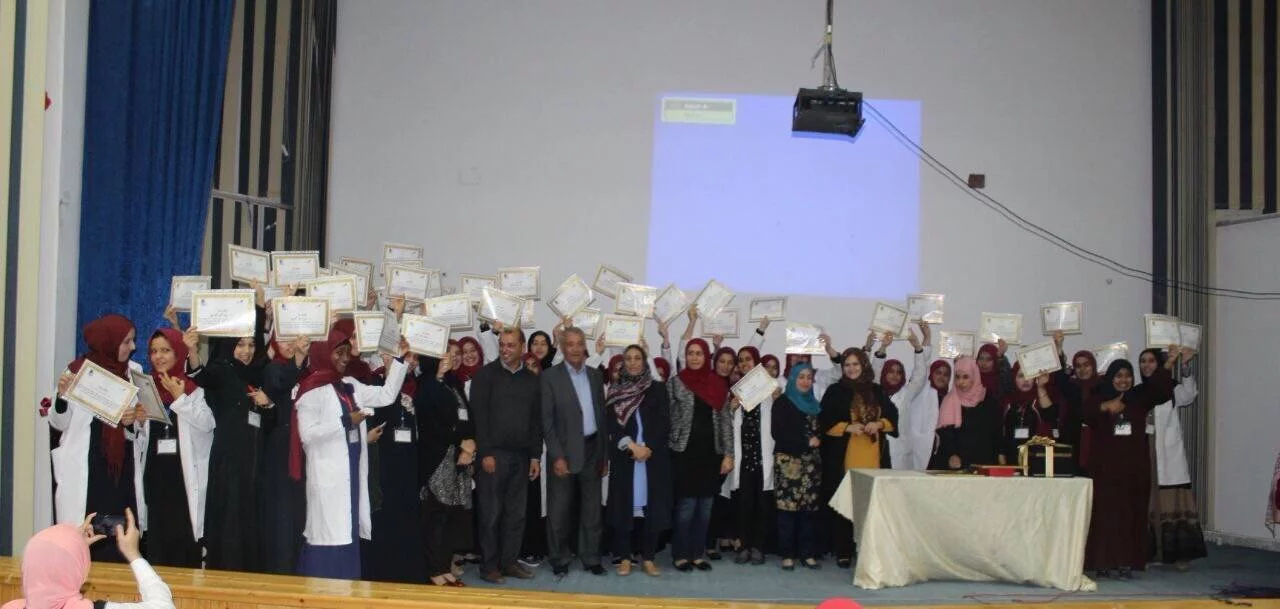
staff photo

Mr. sarah abedalaziz ibrahim ben zeglam

سارة بن زقلام هي احد اعضاء هيئة التدريس بقسم الاحياء بكلية التربية طرابلس. تعمل السيدة سارة بن زقلام بجامعة طرابلس كـمحاضر من 2018 ولها العديد من المنشورات العلمية في مجال تخصصها

Publications

Some of publications in Department of Biology

Hamza, A., & Ho, W. C. (2020). Updates on seabirds of the northern Seribuat Islands, Pahang, Malaysia. Marine Ornithology, 48, 1-7.

Because of a lack of systematic surveys since the 1950s, information on seabird diversity and the status of seabird colonies along the east coast of Peninsular Malaysia is mostly outdated. The Seribuat Archipelago is composed of many islands, which are located off Pahang state in the north and Johor state in the south. The northern section of the archipelago was surveyed during July-September 2017 to document active seabird colony sites and to assess species richness and the potential threats facing these colonies. Seven islands were found to host significant numbers of terns (Black-naped Terns Sterna sumatrana, Bridled Terns Onychoprion anaethetus, Greater Crested Terns Thalasseus bergii, Lesser Frigatebirds Fregata ariel, and other bird species. We provide details of each site and its suitability for seabirds. Pulau Labas and Pulau Tokong Bahara have the highest species richness (five species each) followed by Pulau Tokong Burung and Pulau Gut (four species each). Tokong Burung (made up of three islands) hosts the largest colony of Bridled Terns in the region, with more than 10 000 pairs estimated, making it one of the largest colonies of the species in Southeast Asia. Egg harvesting by local fishermen, human disturbance, marine litter, and oil pollution are the main threats to seabirds in the Seribuat Archipelago. We make recommendations regarding measures needed for further protection of the area.
Abdulmula Abdumagid Alhadi Hamza(4-2020)
Publisher's website

Hamza, A., Hisham, A. S., Suratman, S., Bidai, J. A., & Shazili, N. A. B. M. (2021). Trace elements in feathers and eggshells of two tropical seabirds from Malaysia. Marine Ornithology, 49, 335-341.

Seabird feathers and eggshells are used as bio-monitors for trace metal contamination. Eleven trace element concentrations in wing primaries (n = 21) and eggshells (n = 8) are reported herein for two resident seabirds, Bridled Tern Onychoprion anaethetus and Black-naped Tern Sterna sumatrana, at Pulau Ling and Pulau Tokung Burung, Malaysia. Metal concentration followed the pattern Zn > Cr > Mn > Sr > Cu > Se > Ba > Pb > Cd > Ga > Li. Significant positive correlations existed among all trace metals, except for Cr in Black-naped Tern and Li and Cd in Bridled Tern feathers. We also analyzed metal concentrations in eggshells, and for Bridled Tern, the concentration pattern was Zn > Mn > Se > Sr > Ba > Pb > Co > Cu > Cd, whereas for Black-naped Tern it was Cr > Zn > Mn > Ba > Sr > Se > Cu> Co > Pb. A pairwise positive correlation was significant among most trace metals in feather samples, indicating synergistic effects of two or more elements. More studies are needed to build a baseline database of trace metal concentrations in seabirds of Southeast Asia, as little research on this subject has been conducted in this region.
Abdulmula Abdumagid Alhadi Hamza(1-2022)
Publisher's website

عزل الفطريات المرافقة لشعر فروة رأس الأطفال

شملت الدراسة مجموعة من تلاميذ إحدى المدارس الابتدائية في منطقة سوق الجمعة\ طرابلس في الفترة مابين شهري (يناير- فبراير)، وتم استهداف91 عينة تعود لـ 46 تلميذ من الذكور و45 تلميذة من الإناث تراوحت أعمارهم ما بين 7-10 سنوات، وذلك لغرض التعرف على الفطريات المصاحبة لشعر(فروة) الرأس، وتم التعرف على أربعة عشر من الفطريات التي تنتمي إلى تحت الأقسام (Sub Divisions) الآتية: Zygomycotina(1)، Ascomycotina(2)، Deuteromycotina(11)، وكانت أكثر الفطريات شيوعاً عند الأطفال (التلاميذ) هو فطر Candida albicans ( 37.36%) ثم يليه كلاً من فطر P.chrysogenum و A. alternate وCladosporium sp. ( 24.18%) لكل منهم. كان أكثر الفطريات شيوعاً عند الأطفال (التلاميذ) من الإناث فطرA. Alternate (35.56%) يليه فطر P.chrysogenum (26.67%)، بينما في الأطفال (التلاميذ) من الذكور فكان الفطر الأكثر شيوعاً فطر Candida albicans (54.35%) ويليه فطر Cladosporium sp. (30.43%). arabic 80 English 0
هدى ميلاد محمد بن زائد, أمال مصطفي ميلاد انبيه(3-2017)
Publisher's website

Documents you Need

Department of Biology Video Channel

Watch some videos about the Department of Biology

See more