كلية الفنون والإعلام

المزيد ...

حول كلية الفنون والإعلام

كلية الفنون والأعلام

حقائق حول كلية الفنون والإعلام

نفتخر بما نقدمه للمجتمع والعالم

83

المنشورات العلمية

89

هيئة التدريس

1676

الطلبة

0

الخريجون

البرامج الدراسية

قسم الفنون الدرامية
تخصص - شعبة التمثيل والإخراج شعبة: النقد والكتابة الدرامية شعبة: الديكور وتقنيات العرض

رؤية القسم:التميز والريادة في تعليم الفنون الدرامية والبحث العلمي والاستشارات على...

التفاصيل
قسم الفنون المرئية
تخصص - شعبة التصوير والمونتاج. - شعبة السيناريو والإخراج. - شعبة الرسوم المتحركة. - شعبة السينما.

رؤية القسم:الارتقاء والتميز في برامج التعليم والتدريب والبحث العلمي والاستشارات والخدمات...

التفاصيل
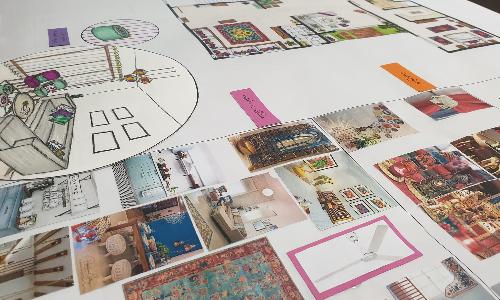
قسم الفنون الموسيقية
تخصص - عزف آلي - هندسة صوت

...

التفاصيل

من يعمل بـكلية الفنون والإعلام

يوجد بـكلية الفنون والإعلام أكثر من 89 عضو هيئة تدريس

staff photo

أ. نجيب فرج علي رحومة

نجيب رحومة هو احد اعضاء هيئة التدريس بقسم الاعلام بكلية الفنون والإعلام. يعمل السيد نجيب رحومة بجامعة طرابلس كـمحاضر منذ 2014-03-15 وله العديد من المنشورات العلمية في مجال تخصصه

منشورات مختارة

بعض المنشورات التي تم نشرها في كلية الفنون والإعلام

معارض فن الرسم والتصوير ودورها في خلق بيئة فنية وجمالية لدى طلاب الفنون التشكيلية

تعد المعارض التشكيلية واجهة حضارية للأمم والشعوب حيث يقاس بذلك مستوي الوعي الثقافي للبلد والمجتمع وتتيح المعارض التشكيلية فرصة كبيرة للتذوق الفني والجمالي لدي الجمهور ومن هنا برزت مشكلة هذه الدراسة المتمثلة في معرفة كيف يمكن الاستفادة من المعارض في تنمية التذوق الفني والجمالي لطلاب الفنون التشكيلية الا أن المشكلة لاتكمن في الاستفادة من المعارض فقط ، وانما في عدم الاهتمام بالمعارض الفن التشكيلي التي لها أثر سلبي علي التذوق الفني والجمالي للمجتمع ، وقد تم استيفاء البيانات من خلال استمارة الاستبيان أعدت لهذا الغرض ، وتهدف الدراسة الى الوقوف على الدور الدي تتطلع به معارض الفن التشكيلي (الرسم والتصوير) في تطوير المجتمع من خلال الفنانين والمبدعين بالإضافة إلى التعرف على دور الفنانين والمبدعين في تطوير فن الرسم والتصوير من خلال المعارض الفنية.خلصت الدراسة الى مجموعة من النتائج اهمها ان هناك علاقة ايجابية بين تذوق الاعمال الفنية داخل قاعات العرض الفن التشكيلي (( الرسم والتصوير )) وتنمية قدرات طلاب الفنون التشكيلية علي ممارسة التذوق الفني والجمالي ، وأن معارض الفن التشكيلي (( الرسم والتصوير )) وسيلة وأداة فعالة في خلق بيئة جمالية وثقافة فنية لدي كافة أفراد المجتمع ، ولقد أشارت نتائج الدراسة ان حوالي 52 % من المبحوثين أفادو أن أرتباط المعارض الداخلية بالمعارض الخارجية من شأنه أن يدعم خبرات الطلاب ويرفع من كفاءتهم ، كما ضحت نتائج الدراسة الميدانية أن 57 % من العينة المبحوثة أفادو بأن ورش العمل والندوات والمحاضرات المصاحبة للمعارض الرسم والتصوير العامل الرئيسي في انماء الثقافة الفنية والجمالية لدى الفنان وأفراد المجتمع وتحفزهم على فهم اصول الفن ، كما بينت نتائج الدراسة الميدانية ان (86%) من اجمالي العينة أفادو ان العرض الجيد للفن يفتح المجال لتطوير ثقافة المجتمع لتذوق العمل الفني من خلال معارض الرسم التصوير ويمكن من تنميتها وتطويرها من خلال تكثيف المشاركة في معارض الرسم والتطوير ، في حين أظهرت الدراسة الميدانية ان هناك عدة اهداف يمكن للمناهج الدراسية في مجال الرسم والتصوير ان تساهم في تحقيق اهداف المعارض الفنية حيث أن (84% ) من المبحوثين أفادوا أن المناهج الدراسية معدة بأفضل المعايير الفنية المتطورة التي تضمن الرقي بأسلوب الطالب في المؤسسات التعليمية وهي التي تساهم في تحقيق اهداف التربية الفنية للمعارض ، كما أظهرت نتائج الدراسة الميدانية أن 72 % من المبحوثين أفادوا أن توفير الامكانيات اللازمة بكليات الفنون تساهم في تشجيع اقامة المعارض الفنية بصورة مستمرة ويخلق بيئة علمية مستقرة لدى الطالب في مواكبة التطور الفني في مجال الفنون التشكيلية ، كما اوضحت الدراسة الميدانية أنه يمكن لوسائل الاعلام المختلفة ان تساهم في تعميق مفهوم المعارض لدى الجمهور من خلال برامج وندوات ومؤتمرات فنية تفعل قوى الربط بين الطالب والجمهور ، وقد خلصت الدراسة إلى مجموعة من التوصيات العلمية والتي من أهمها زيادة الاهتمام من قبل المؤسسات التعليمية ومؤسسات الدولة بضرورة التوسع في مجال التعريف بدور معارض الفن التشكيلي (( الرسم والتصوير)) علي المجتمع من خلال زيادة المساحات الاعلامية والطرح الاعلامي في جميع وسائل الاعلام الموجودة بالإضافة الي مواقع شبكة التواصل الاجتماعي (( الانترنت )) والاشارة بدور المعارض الفنية في تطوير المجتمعات والرفع من المستوي الثقافي لدي الافراد بصفة عامة ، ودراسة امكانية التعرف علي واقع معارض الفن التشكيلي (( الرسم والتصوير )) وتحديد المشاكل التي تعيق اقامتها وتدليل الصعاب التي تواجهها هذه المعارض لضمان اظهارها بالصورة اللائقة وبأحداث الاساليب العملية المتطورة وذلك تحقيق الاهداف المرجوة منها ، وكذلك الرفع من مستوي الدعم والتشجيع الا محدود للفنانين والمبدعين في مجال الفن التشكيلي ((الرسم والتصوير)) وذلك لدورهم في تطوير هذا الندي من الفن وانعكاس دورهم علي ثقافة المجتمع .
صلاح الدين سليمان بالحاج (2015)
Publisher's website

Dogmatism and its Impact on the Libyan Theatre

Summary of the Thesis Dogmatism and its Impact on the Libyan Theatre By Mohamed M. Z. Eghmea Theatre is an art related to the current, collective mental operations, phenomenon governing its community tracks and relationships and its individuals belief systems and directly – to regimes nature, ideology, beliefs and community values common in human communities whether in Europe or Arab communities, according theatre was characterized by multi trends and schools that were, in a form or another a result of organization or system of values and beliefs common in these communities. When Europe fell under church's sovereignty and religious control in its lagging ages, Galileo and other scientists were not the only victims of dogmatic mind of Pious men who contested every opinion disagreeing with their religious belief considered by some as unerring, theatre was forbidden, because they felt that it might affect their postulations and destroy their fortified belief, for that theatre was forbidden as disagreeing with church values and believes, western churches called for depriving Christian actors and actress of ritual practice and evicted them from church, kings and empires allied with church regarding forbidding acting, this position continued till the 16th century. Theatre collision with dogmatic values and beliefs organization was not limited to Europe in its lagging ages, rather theatre conflict with belief non flexibility extended to non flexible beliefs of human communities with all their cultures, races and ideologies and all religions and beliefs all over the theatre history, yet the main difference was in degree of unity of dogmatic fanaticism between one community and another, and one regime and another a phenomenon unlimited to a certain field, but extends to all political, economic, social, cultural and technical areas. Dogmatic mentality is common in our Arab communities and may take more acute and extremist form compared to another communities, if considering its effects on most of Arab communities, and Arab communities reaching to losing coexistence factors and accepting the other whether at religious, political or social level, some thinker believe that this phenomenon was aggravated and became one of the most important Arab mind restrictions towards development and creation due to subjection to mental and belief non flexibility. The common religious or political belief is having the absolute fact and every party pretends to be absolutely right, and that its values and beliefs are indisputable and that any different trend is mistaken, and according to the same strength through which dogmatic is cleaving to its ideology constituting its belief organization, it, by the same mental strength refuses any other or different ideology. Accordingly dogmatic mentality was the result of wars and bloody conflicts with holders of other beliefs and ideology, due to dogmatic mentality control over conflicting parties and every party insists that it has the absolute fact and surrounds it with a hallo of holiness and forbidding, accordingly using violence to defend their beliefs was justified because tolerance and accepting the other or changing ideology or belief according to surrounding variables is strongly refused by the common dogmatic mentality. As theatre is an art related to collective mentality ideology and the common belief organization, dogmatism affected the theatre product, this study discussed effects of dogmatic values and beliefs organization on Libyan theatre through its different history. Libya knew theatre art since the beginning of twentieth century, through this period Libya witnessed important political changes since Ottoman occupation, passing through Italian and British occupation till the post-independence, every stage had its closed belief system that affected the collective awareness and cultural and technical product as the study followed the effect of Libyan theatre through different values and beliefs systems that controlled literary, artistic and culture discourse for every historic stage in Libya by analyzing applied forms theatrical texts. Accordingly the problem of study of identifying effect of organization or system of demographic values or beliefs on the Libyan theatre through its history is clear, and every historic stage had a value and belief system meets the ruling authority's trends and ideology beginning from Turkish theocratic occupation that ruled under name of religion, followed by Italian occupation through which a mono trend systems dominated including ownership and Totalitarian Power, the Libyan theatre was subject to ideological trends depended on the regime organization and historically the study followed up theatrical artistic products of these stages as well theatrical movement activity in general, and displaying applied examples of some theatrical texts to reach a scientific explanation of effect of belief non flexibility, dogmatism on the Libyan theatre, and how far Libyan authors are attracted to or opposing dogmatic values and beliefs organization governing artistic and media discourse. The study chapters include an introduction, conclusion and four chapters, chapter one: titled (Dogmatism) its concept and relationship to theatre, the researcher discusses dogmatism in terms of origin, concept and relationship to theatre as a modern concept meeting nature clarifications, its definition, discussing the term origin and development and following up its contemporary concept through thinkers and philosophers opinions who studied and analyzed the phenomenon beginning with its establisher, the U.S scientist Milton Rokeach who included it in his book the open and the closed mind, "Milton RoKeach" was the first theorist and researcher who introduced this terminology to humanitarians, indicating that dogmatism is not limited to a certain scientific or cognitive field, rather may cognitive and creative scientific fields. In Chapter Two: titled (Libyan theatre between theocratic dogmatism and dogmatic fascism) in which the researcher discussed Ottoman, Italian and British occupation to Libya, and how far Libyan theatre is affected by values organization that governed during foreign occupation, whether religious effect under Turkish occupation or what was known by Ottoman Caliphate as well as what was faced by the Libyan theatre under Italian fascist occupation that affected the Libyan theatrical product and theatrical movement in general in its beginning. Chapter Three: titled (Libyan theatre and post independence political changes) the period extended for about 5 centuries between Royal regime and Gaddafi regime that over through royalty, the so called first of September revolution through which theatre was active at the level of quantity and quality, but theatrical works contents remained unlimited by the nature of every stage while royal regime was cleaving to beliefs and ideologies opposing Nasirist national and revolutionary extension in the 1995 and the 1960, the succeeding system was completely different so that national demographic and motivating discourse controlled over ideological discourse of this stage and most of author's texts met the prevailing discourse and any author tried oppose dogmatic beliefs was chased and even in prison, to clarify ideological violence more extreme than before. In chapter Four: title (applied examples of texts from Libyan theatre) the researcher analyzed some theatrical texts examples for some authors clarifying effects of dogmatic values and beliefs on some theatrical authors products, the researcher discussed examples of theatrical texts written to market and promote the ruling authority's ideology to meet dogmatic values and beliefs of the regime as well as examples that tried to cross demographic barriers and dealing with taboos, also the study identifies the effect of demographic beliefs an artistic and dramatic aspects to build the dramatic text then the researcher discusses the study conclusion and results and recommendations reached by. Of the most Important Study Results: First: Dogmatism affected the Libyans authors in terms of subjects and theatrical works artistic structure which was a case of theatrical text crises and emergence of dogmatic theatre which focused on direct political motivation and propaganda at the expense of theatrical work artistic value. Second: violence imprisonment and exile was the main method of dogmatic mentality for authorities rules Libya to deter authors and theatrical artists who tried to remove dogmatic barriers and cross taboo, religiously and politically. Third: Converting the theatre during most of seasonal festivals to just a media to market and promote the ruling authority's ideology and beliefs, due to agreement between number of authors and dramatists with the authority's dogmatic organization as well as theatre's subjection to control prohibiting displaying anything disagreeing with the ruling authority's beliefs. Fourth: in most cases, beliefs dramatists abandoned theatricality for ideology; some authors were not hesitated in changing historic facts in texts inspired by history to agree with the authority's beliefs and theories. Fifth: Dogmatic mentality restricted theatrical art development in home due to believing in having the absolute fact, answers ready for every human problems and insisting on marketing and enforcing the ruling authority's belief organization. ***
Mohamed M. Z. Eghmea(1-2017)
Publisher's website

المدائح النبوية والأذكار في زاوية الشيخ عبد الله أحمد بن فضل

تناولت هذه الدراسة أحد الزوايا الصوفية بالمنطقة الغربية زاوية الشيخ عبد الله أحمد بن فضل بمنطقة العجيلات ، وهى تجمع بين جانب نظري تاريخي وجانب عملي، وفي جانبها النظري قام الباحث بالتعريف بمنطقة الدراسة "العجيلات" التي تقع فيها هذه الزاوية الصوفية والحديث عن نسيجها السكاني وعن دورها في حركة الجهاد الوطني ثم التطرق إلى ذكر بعض الأعلام من هذه المنطقة ، كما قام الباحث بإسقاط الضوء على أحد أهم الزوايا بالمنطقة الغربية من ليبيا والتي تعد ذات تاريخ طويل من العطاء الإنساني السامي ،وأحد أهم المؤسسات الأهلية في المجتمع التي حملت على عاتقها تنوير العقول بالعمل على غرس مفاهيم الإسلام في عقول الناس إذ ساهمت منذ وقتٍ بعيد بدورٍ كبيرٍ وفعال في محو الأمية ونشر التعليم بين الناس خاصة وأن بلادنا كانت قد تعرضت إلى استعمار بغيض توالى عليها سنين طويلة وحرم أهلها وحال دون حقهم في التعليم كباقي البشر ، مما أضطرهم اللجوء إلى الزوايا الصوفية التي احتضنتهم وعلمتهم أصول اللغة العربية والفقه والقرآن الكريم والأخلاق الحميدة ،إن الزوايا الصوفية في بلادنا والبلاد العربية والإسلامية الأخرى هي مدارس أنطلق منها المتعلم والحامل لكتاب الله والمنشد والمادح ، وهى منارات للعديد من العلوم والفنون وهى إشعاع ثقافي لازال راسخاً في ثقافتنا ، كما أكدت الدراسة أيضاً على دور شيخنا عبد الله بن فضل (الأول) مؤسس هذه الزاوية في حركة المقاومة الوطنية التي تصدت للحملة العسكرية على بلادنا ، وما ابدأه هو وأبطال هذا البلد من نضالٍ مشرف بالسلاح والكلمة ، فاشتداد المقاومة في وجه العدو ودور هذا الشيخ فيها برز ليؤكد صعوبة تحقيق حلم الاستعمار في الاستيلاء على ليبيا بسهولة ، فلم يكن متهاوناً في ذلك لذا قبض عليه لخطورته وتم إبعاده عن وطنه ليبيا في جزيرة مهجورة إلاّ من الليبيين المنفيين فيها وفي ظروف صعبة وقاهرة حيث شاء له أن ينتهي هناك في بلاد الغربة عن الأهل والوطن ، وظل يحلم وهو بمنفاه أن تبقى زاويته شامخةً تناضل من أجل نشر الإسلام ليعيش الناس من خلالها في ظل العبادة والتقرب إلى الله ، ومن هنا برزدورأبنه عبد الله بن فضل (أبو راوي) الذي دآب ليحمل على عاتقه وصية والده في حمل المسؤولية بالاهتمام بهذه الزاوية ، وهذا ماحصل بالضبط فكان بحق آهلاً لذلك حتى آخر يوم بحياته ، بل وغرس هذه المبادي في أجيال من بعده تعاقبت وحافظت على هذا الموروث ، وهاهي هذه الزاوية حقيقة واقعة بالفعل تتحدث عن نفسها تاريخ طويل من العطاء ، لاتزال تعلم حفظة كتاب الله ، وتقصدها العديد من الطوائف الدينية القادمة إليها من مختلف أنحاء بلادنا ليبيا، ولقد كان لهذه الزاوية الفضل الكبير في إحياء حفلات المناسبات الدينية الكبرى في منطقة الدراسة " العجيلات " أو حتى في المناطق المجاورة لها ، بإقامة الذكر والمديح والإنشاد والقصائد المعبرة عن الإسلام إحياءً لمناسباتنا الدينية العديدة ، وهذا ماتناوله الباحث في الجانب العملي الذي قامت عليه الدراسة أساساً وهو مايتعلق بدراسة الموروث الفني الذي نشأ بين أركان هذه الزاوية الصوفية العروسية متمثلاً في آداء المدائح والأذكار والإنشاد وقصائد الحضرة وكل ماله علاقة بالنغم والإيقاع فإذاً ومن واقع ماتم تناوله ، خلصت هذه الدراسة إلى توثيق جزء من موروثنا الصوفي فيما يتعلق بالنغم والإيقاع في هذه الزاوية الصوفية كنموذج قد ينفع أن يكون مرجعاً يسد الفراغ الذي تعاني منه مكتباتنا ولعله يفيد الدارسين في بلادنا يأمل الباحث أن يكون قد حقق هذا الهدف ، وما التوفيق إلاّ بإذن الله سبحانه وتعالى
أبو القاسم محمد علي (2011)
Publisher's website

قناة كلية الفنون والإعلام

بعض الفيديوات التي تعرض مناشط كلية الفنون والإعلام

اطلع علي المزيد