قسم هندسة البرمجيات

المزيد ...

حول قسم هندسة البرمجيات

مع تطور التكنولوجيا وزيادة حجم البرمجيات يتطلب انجاز المشاريع البرمجية الكبيرة عمل المبرمجين في فرق كبيرة تعمل معا لانجاز مشروع برمجي محدد , يتطلب العمل الجماعي في مجال البرمجيات قدرات هندسية خاصة تختص بتطوير البرمجيات. 

لمواكبة هذا التطور تـم تأسيس قسم هندسة البرمجبات مع بداية تأسيس الكلية في سنة 2008 وذلك نظرا للاهمية الملحة لوجود مثل هذا القسم والذي  يهدف القسم الى إعداد الكوادر القادرة على إداء انجاز المشاريع البرمجية بالطرق الهندسية المعمول بها في هذا المجال مثل التحليل وتحديد المتطلبات والتصميم وإدارة المشاريع وتأكيد الجودة وغيرها.

ساهم هذا القسم بالفعل في تخريج اكثر من 200 مهندس مع نهاية فصل الربيع للعام الدراسي 2019.  ويفتخر القسم بكافة الخريجين لما أبدوه من آداء ممتميز في الجهات العامة  والشركات الخاصة. حاليا تصل نسبة التوظيف لخريجي القسم اكثر من 90% ومعظم الطلبة يتحصلون على وظائف او يؤسسون شركات خاصة قبل تخرجهم.

حقائق حول قسم هندسة البرمجيات

نفتخر بما نقدمه للمجتمع والعالم

29

المنشورات العلمية

12

هيئة التدريس

99

الطلبة

101

الخريجون

البرامج الدراسية

بكالوريوس في تقنية المعلومات
تخصص هندسة البرمجيات

يهدف البرنامج الى إعداد الكوادر القادرة على إداء انجاز المشاريع البرمجية بالطرق الهندسية المعمول بها في هذا المجال مثل التحليل وتحديد المتطلبات والتصميم وإدارة المشاريع وتأكيد الجودة وغيرها. ويحتوي على المقررات الدراسية العامة التي تضع الاساس لطالب تقنية المعلومات يدرسها...

التفاصيل

من يعمل بـقسم هندسة البرمجيات

يوجد بـقسم هندسة البرمجيات أكثر من 12 عضو هيئة تدريس
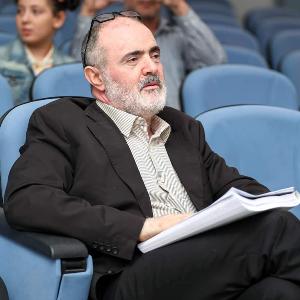
staff photo

د. رضوان علي بلقاسم حسين

د. رضوان حسين أستاذاً مشاركاً وكيل الشؤون العلمية لكلية تقنية المعلومات بجامعة طرابلس. د. رضوان له العديد من المنشورات العلمية في مجال تخصصه ومجالات أخرى. كان الدكتور رئيساً لقسم هندسة البرمجيات لمدة أربع أعوام جامعية من خريف 2013 إلى نهاية ربيع 2017, وكان أيضاً رئيس فريق تطوير منهج القسم ضمن لجنة تطوير مناهج كلية تقنية المعلومات. هو عضو مؤسس في الجمعية الليبية للاستشعار عن بعد ونظم المعلومات الجغرافية, وهو عضو بجمعية أمل الغد لأطفال التوحد, و عضو مؤسس في جمعية السلامة لأعمال مخلفات الحروب. يهتم د. رضوان بنمذجة الأنظمة المركبة (المعقدة) والذكاء الاصطناعي, معالجة الصور والوسائط المتعددة, وتطوير نظم المعلومات الجغرافية.

منشورات مختارة

بعض المنشورات التي تم نشرها في قسم هندسة البرمجيات

Most Common and Reliable Traits for Fusion of Biometrics

Biometrics technologies have been around for quite some time and many have been deployed for different applications all around the world, ranging from small companies' time and attendance systems to access control systems for nuclear facilities. Biometrics offer a reliable solution for the establishment of the distinctiveness of identity based on "who an individual is", rather than what he or she knows or carries. Biometric Systems automatically verify a person's identity based on his anatomical and behavioral characteristics. Biometric traits represent a strong and undeviating link between a person and his identity, these traits cannot be easily lost or forgotten or faked. Since biometric systems require the user to be present at the time of authentication. Some biometric systems are more reliable than others, yet biometric systems are neither secure nor accurate, all biometrics have their strengths and weaknesses. Although some of these systems have shown reliability and solidarity, work still has to be done to improve the quality of service they provide. In this paper we present the most common and reliable known biometric systems suitable for Multimodal Biometrics Fusion, providing highly efficient and secure systems, showing their strengths and weaknesses and also presenting technologies in which may have great benefits for security applications in the near future.
Abdulmonam Omar Ahmed Alaswad, Ihab Meftah Elfituri, Fawzia Elhashmi Mohamad(0-2014)
Publisher's website

Survey on Academic Staff Awareness of Open Educational Resources

Open Educational Resources become an important asset for many educational institutions. In this paper we report the analysis of our survey data on using open educational resources at the University of Tripoli (UoT) among the academic staff members. The survey data was collected electronically to assess the awareness and usage of open educational resources within the University of Tripoli. Results of our survey reveal that 90% of academic staff members surveyed are using open educational resources, but they are not contributing much to OER due to lack of support from university
Abdusalam F. Ahmad Nwesri(5-2019)
Publisher's website

Simulation of Leishmaniasis Epidemiology in Libya Using Agent Based Modelling

Epidemics control is a continues struggle. In this paper is an attempt to model and then simulate an epidemiological disease known as Cutaneous Leishmaniasis (CL), which is currently affecting large communities in Libya. The model is developed to facilitate the Agent Based Models (ABM) as one of the many tools applied for epidemiological management. Validation of the model is considered by comparing the model's behavior with a trend of field data used by Libyan authorities. The methodology used for describing and designing CL model is derived from nature of the disease mechanisms. The ABM model involves three types of agents: Human, Rodent and Sand-fly. Each agent has its own properties. Additionally, global model parameters are used for following the human infection processes. Several experiments are given for illustrating the model performance, and monitor the number of people infected. Simulation results show that active human agents are more vulnerable to sand-fly bites, and infection rate is increasing or decreasing dependent on number of sand-fly vectors, number of host rodents, and human population awareness level. arabic 9 English 68
Rudwan A. Husain, Hala Shaari, Marwa Solla, Hassan A. H. Ebrahem(3-2019)
Publisher's website